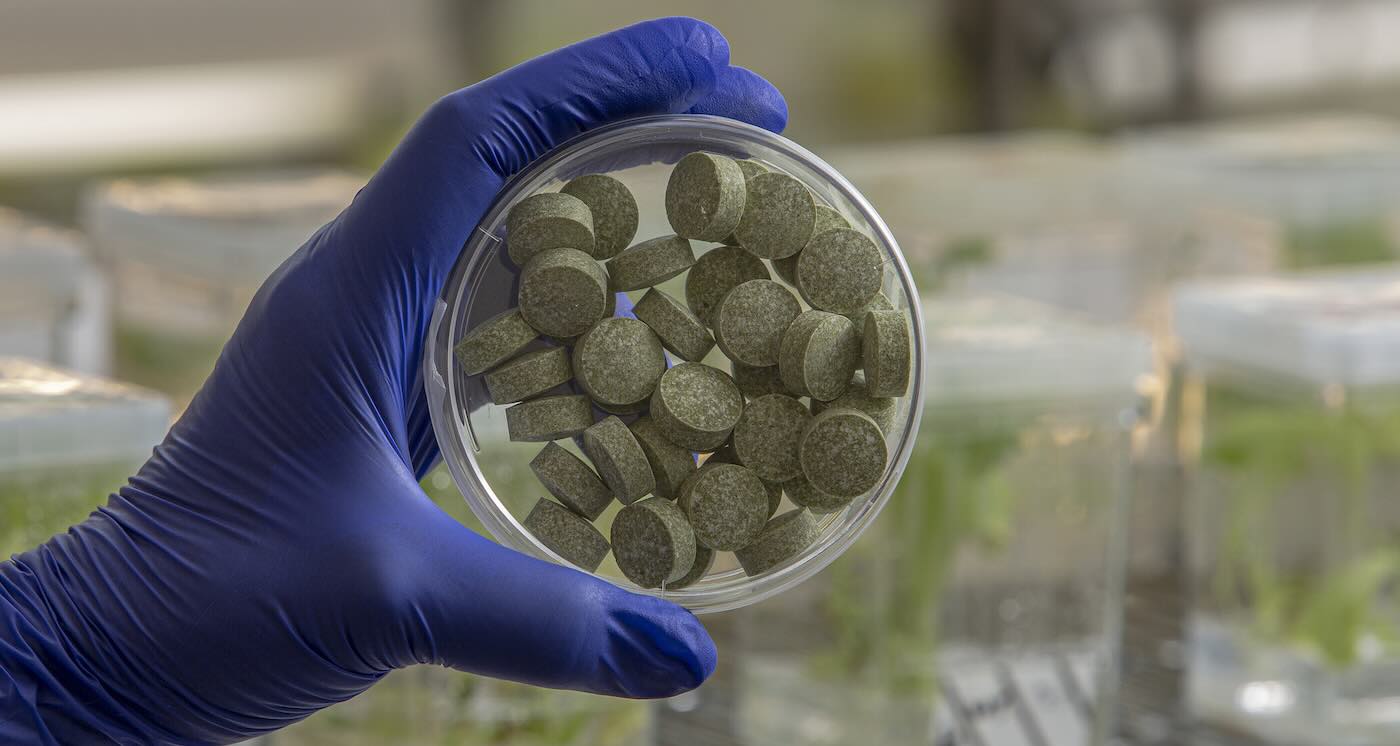
Researchers at the University of Pennsylvania School of Dental Medicine have demonstrated that a chewing gum derived from lablab beans can sharply reduce levels of three microbes associated with head and neck squamous cell carcinoma in laboratory tests using patient samples.
The gum utilizes a naturally occurring antiviral protein called FRIL found in the beans, also known as hyacinth beans. In the study, published in Scientific Reports, bean gum extracts reduced human papillomavirus (HPV) levels by 93% in saliva samples and by 80% in oral rinse samples collected from patients with the cancer.
The team then bioengineered the gum to also express protegrin, an antimicrobial peptide. A single dose of this modified gum reduced levels of Porphyromonas gingivalis and Fusobacterium nucleatum — two bacteria linked to worse survival outcomes — to almost zero in the samples.
Importantly, the treatment did not appear to affect beneficial bacteria normally present in the oral microbiome, a contrast the researchers noted with radiation therapy, which can reduce beneficial bacteria and increase disease-causing yeast.
Lead researcher Henry Daniell stated that most new cancer drugs fail to significantly improve quality of life or five-year survival rates, and that these findings support advancing the gum to clinical trials.
The researchers propose the gum could serve as an adjuvant alongside current treatments or as a prophylactic measure to prevent infection and transmission of the cancer-linked microbes.
Head and neck squamous cell carcinoma develops in the lining of the mouth and throat and is often aggressive with poor outcomes when diagnosed at advanced stages. Lip and oral cavity cancer was the seventh leading cancer type in incidence and mortality worldwide for adolescents, young adults, and middle-aged adults in 2022.
The study was conducted on oral swab and rinse samples in a laboratory setting; clinical trials in humans have not yet been conducted.
Antiviral Chewing Gum Cuts Risk of Certain Head and Neck Cancers to Almost Zero in New Study
This is an independent summary. The complete reporting, supporting context and any primary documents remain with Good News Network.