Researchers described Spea labreae from a single fossil bone, marking only the second extinct Pleistocene amphibian found in North America. The discovery also reveals the Mexican burrowing toad once lived near modern Los Angeles.
Researchers replace toxic metal mordants with a chitosan-ellagic acid system that keeps natural dyes on fabric through 25 washes while preserving antibacterial function.
Researchers reconstructed a bacterial-like elongation system from Orychophragmus limprichtianus seeds in an engineered oilseed host, producing C24–C28 keto-hydroxy fatty acids.
Akita Kantō Matsuri, Owari Tsushima Tennōsai, and Nihonmatsu Chōchin Matsuri showcase thousands of paper lanterns in nighttime processions rooted in centuries-old rituals for health and harvest.
A gum made from lablab beans and engineered with antiviral and antimicrobial proteins cut HPV levels by up to 93% and nearly eliminated two harmful bacteria in patient saliva samples, while preserving beneficial oral microbes.
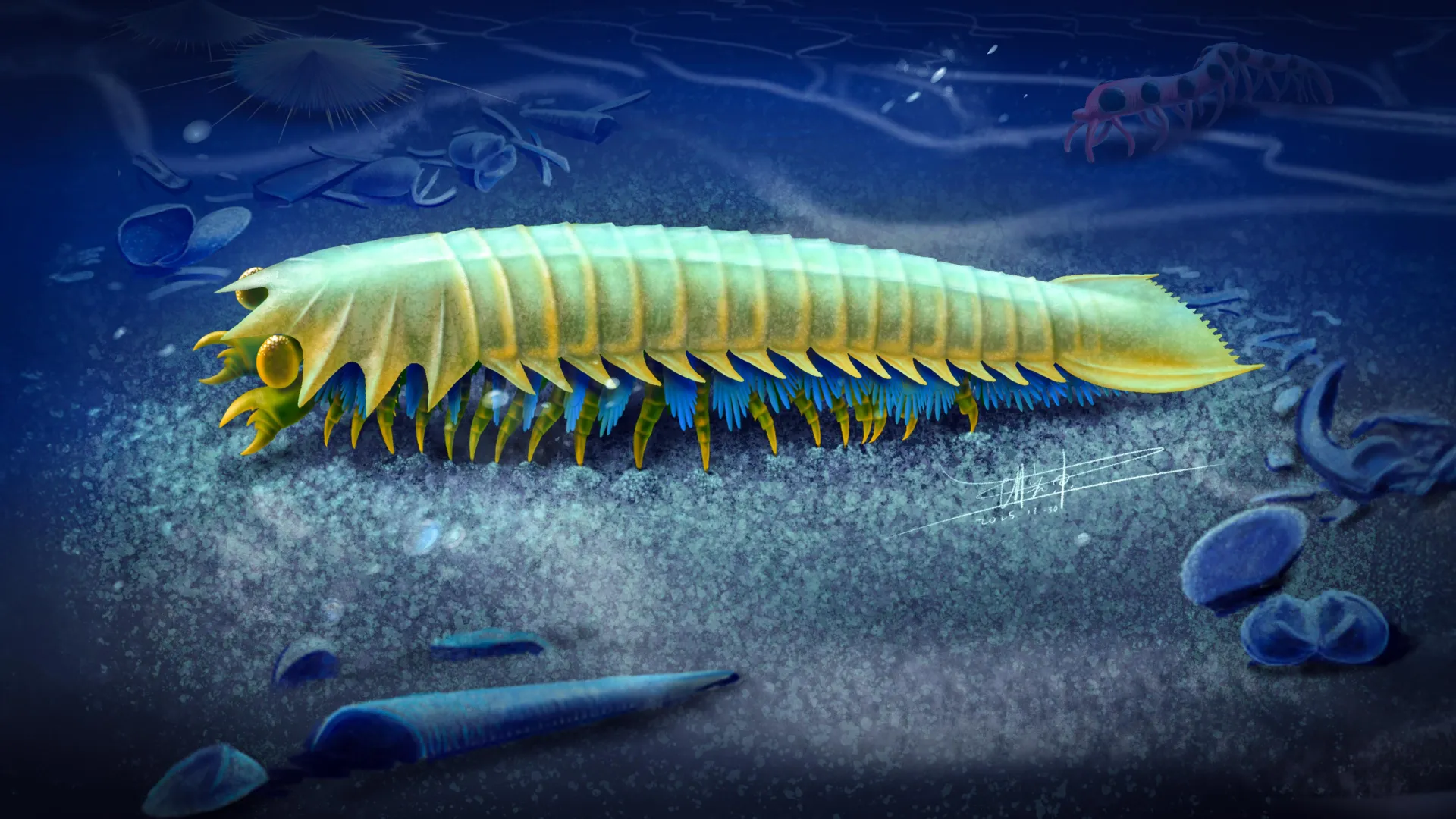
A tiny Cambrian sea creature named Urokodia shows the earliest known pincer-like chelicerae, the structures that later evolved into spider fangs and scorpion pincers. Researchers used X-ray tomography to find these appendages preserved in rock from China's Chengjiang fossil site.
Photons passing through a rubidium cloud appear to exit before entering, and weak measurements of the atoms corroborate the negative time. The result does not violate standard physics but shows the effect is more than a pulse-shape artifact.
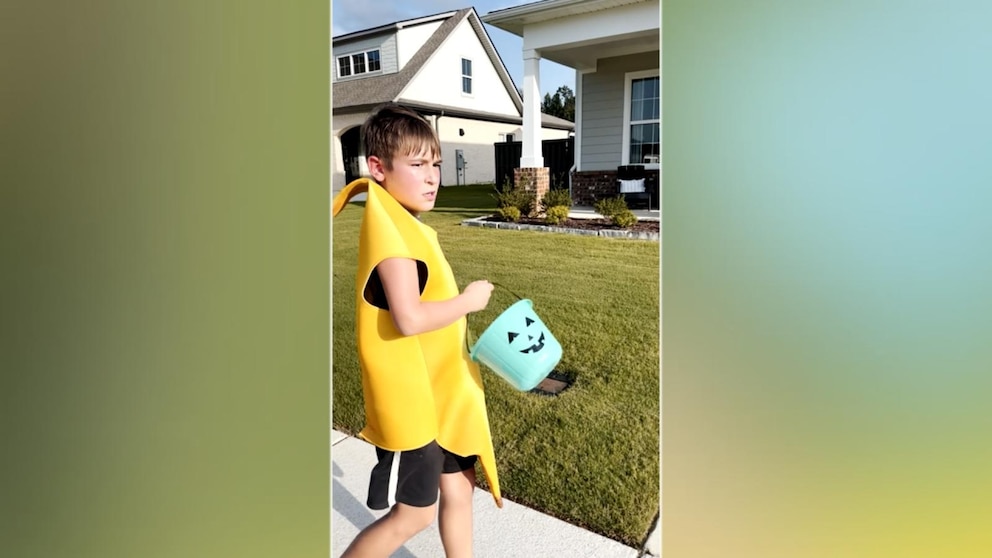
Eighty-three residents in an Alabama neighborhood organized a Halloween-themed event for a young boy with autism whose birthday falls in August. The community effort allowed him to enjoy trick-or-treating, one of his favorite activities, months before the actual holiday.
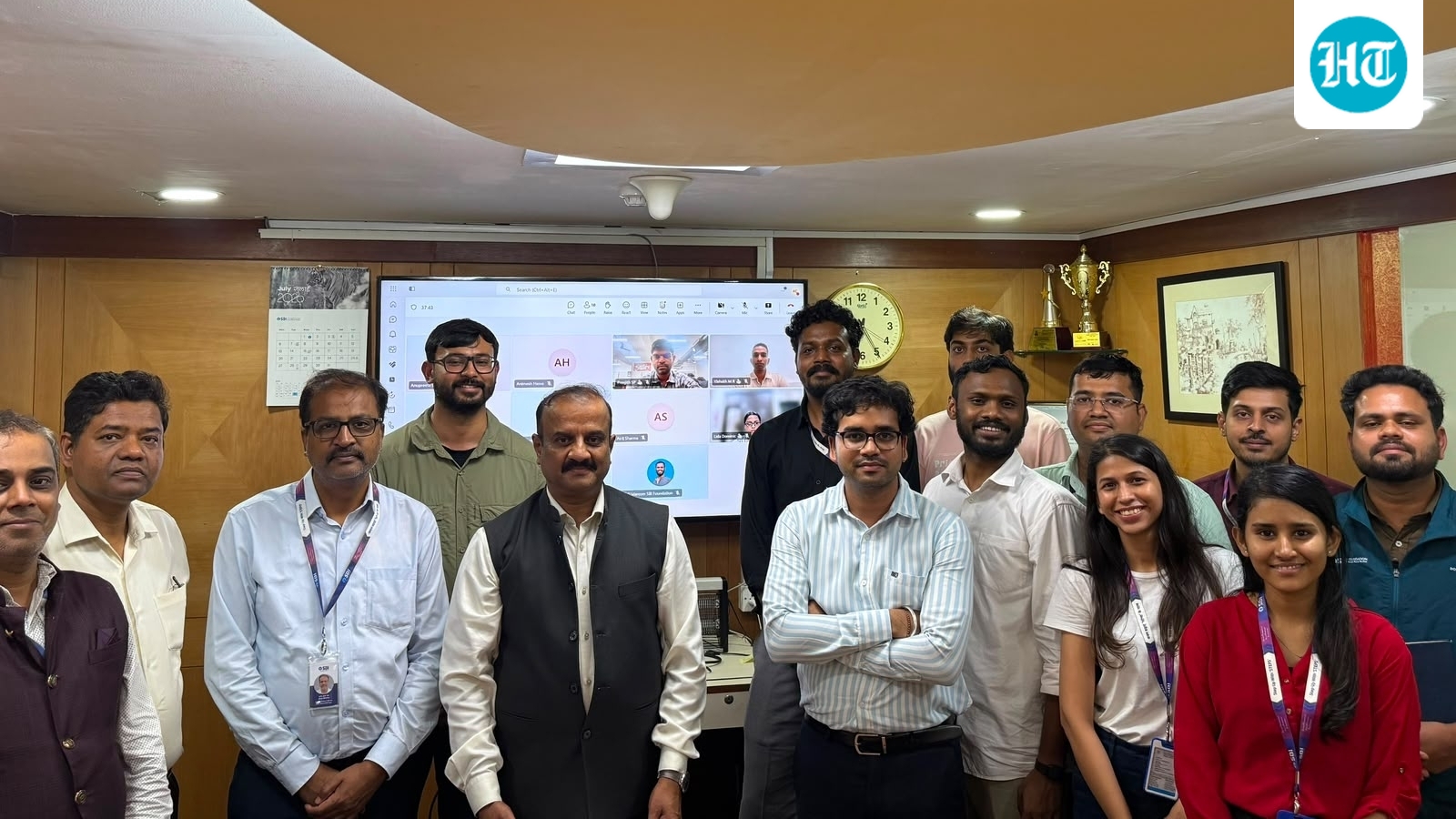
Phase 2 of the Para-Athlete Sports Scholarship Program opens applications for 40 men and 40 women, offering a monthly stipend and sports science support.
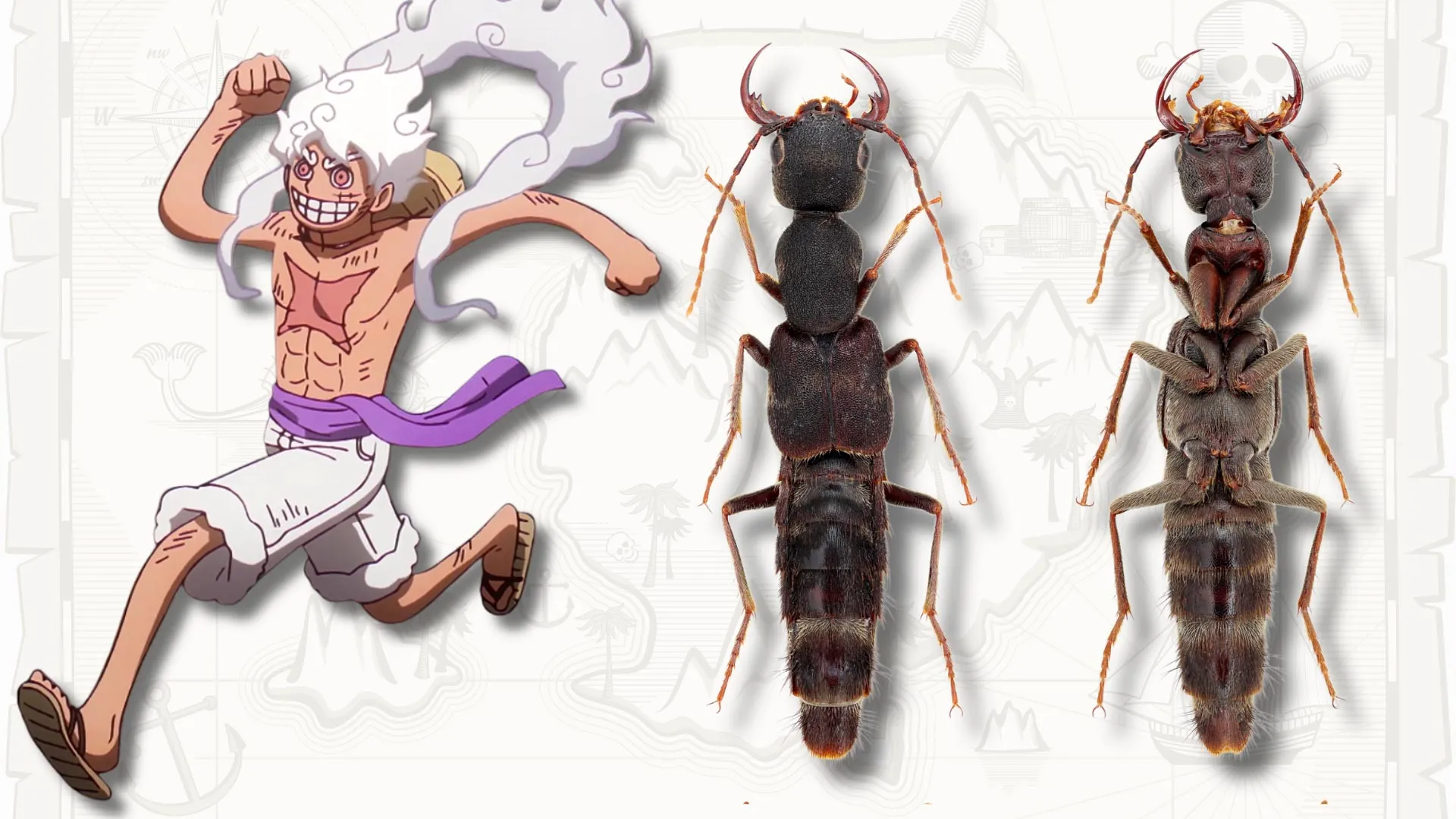
Researchers described two species with unusually long mandibles and antennae, placing the genus as a sister group to the Eucibdelus lineage in the Ocypus group.
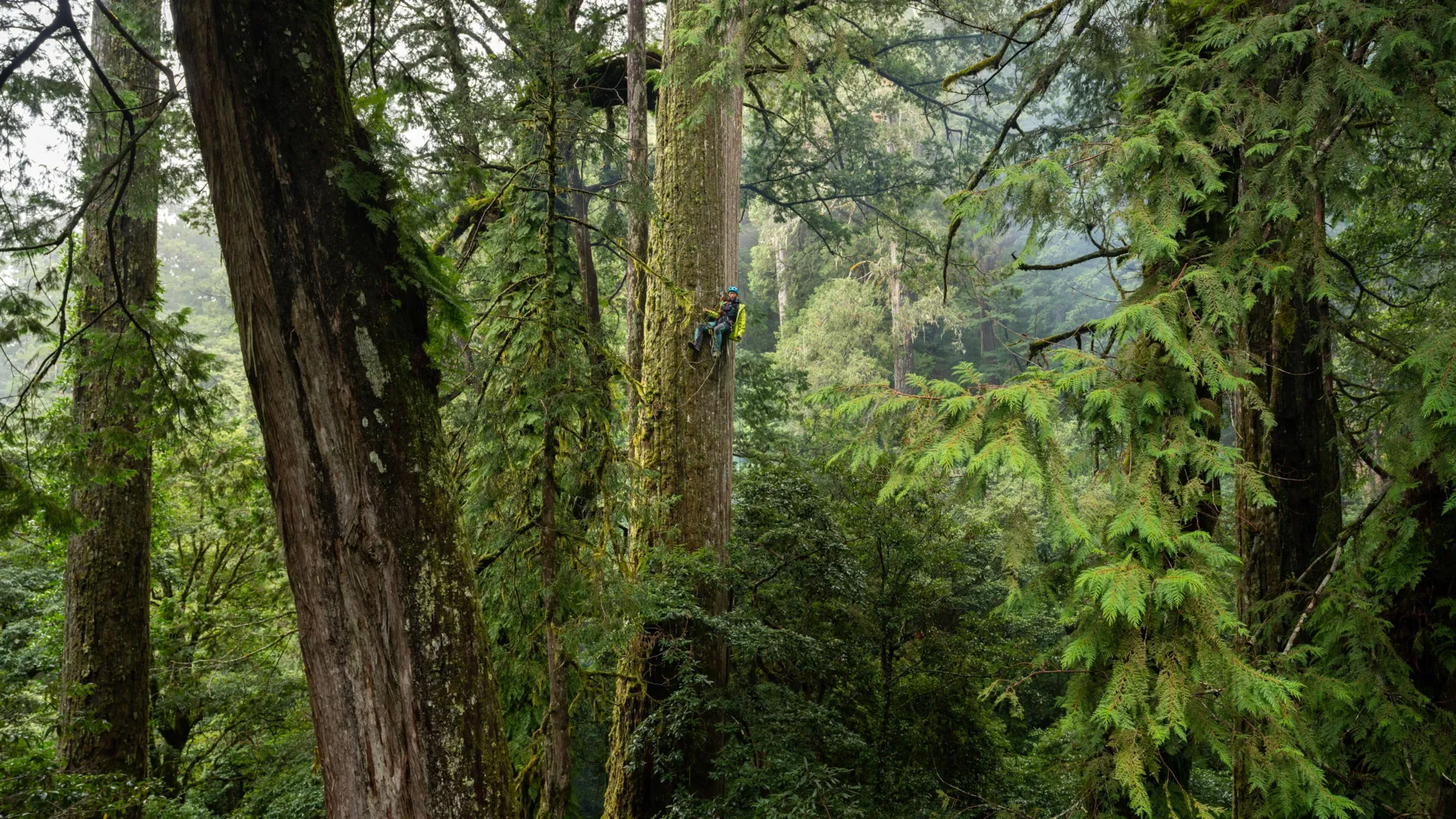
Researchers using LiDAR and citizen science discovered an 84.1-meter Taiwania fir, the tallest known tree in East Asia, and documented dense stands of giant trees storing carbon at globally exceptional densities.
Researchers have built a biosynthetic pathway in baker's yeast to make a key precursor for etoposide and teniposide, two widely used chemotherapy drugs currently sourced from threatened Podophylloideae plants.
Rockefeller University researchers report that low arginine levels impair MHC-1 production, allowing tumors and viruses to evade immune detection. Dietary arginine restored immune signaling and reduced disease severity in mice.
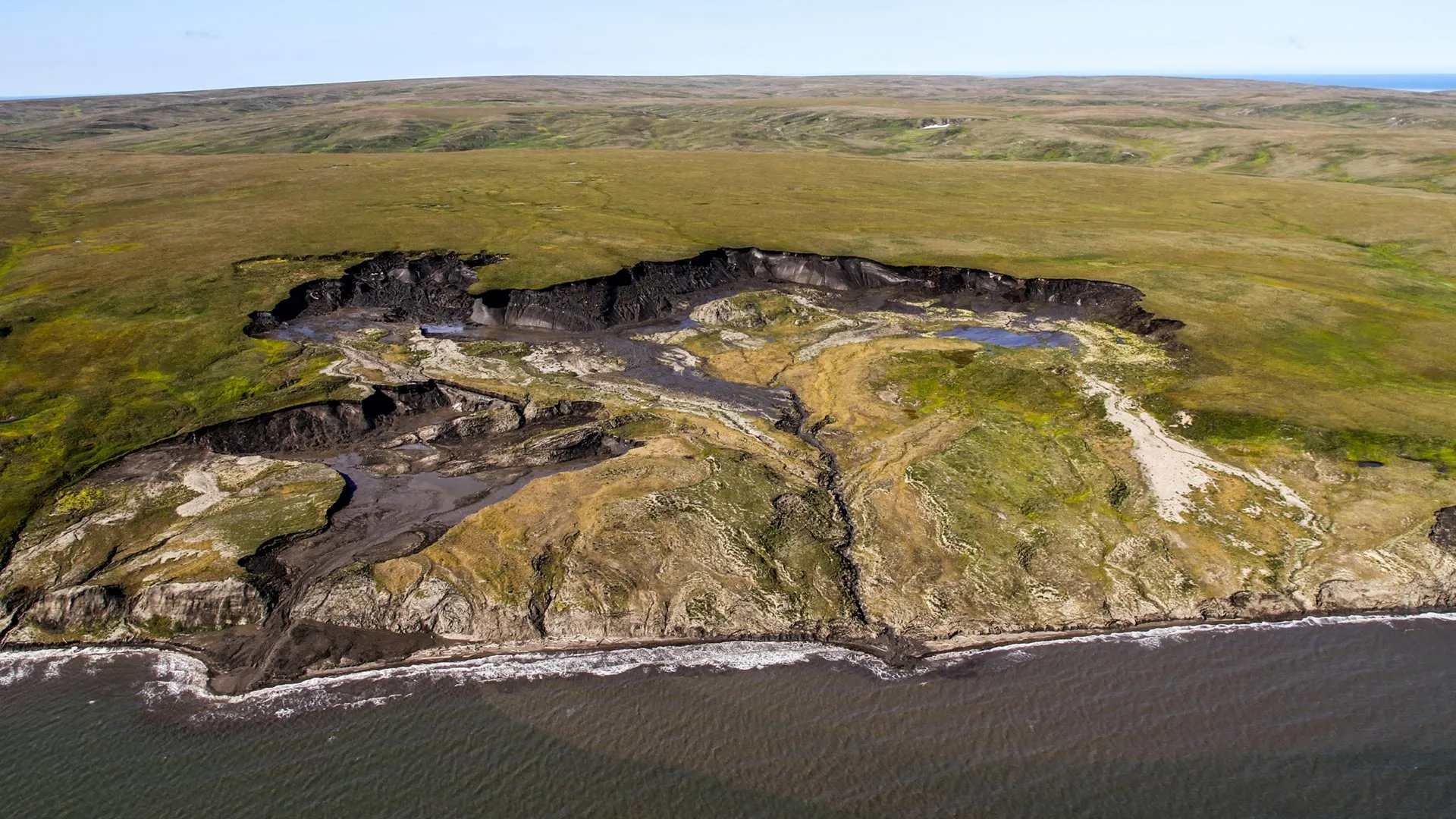
Sediment cores off Canada's Herschel Island show only about 10% of land-derived carbon is converted to gases, while the rest remains trapped in the seafloor.
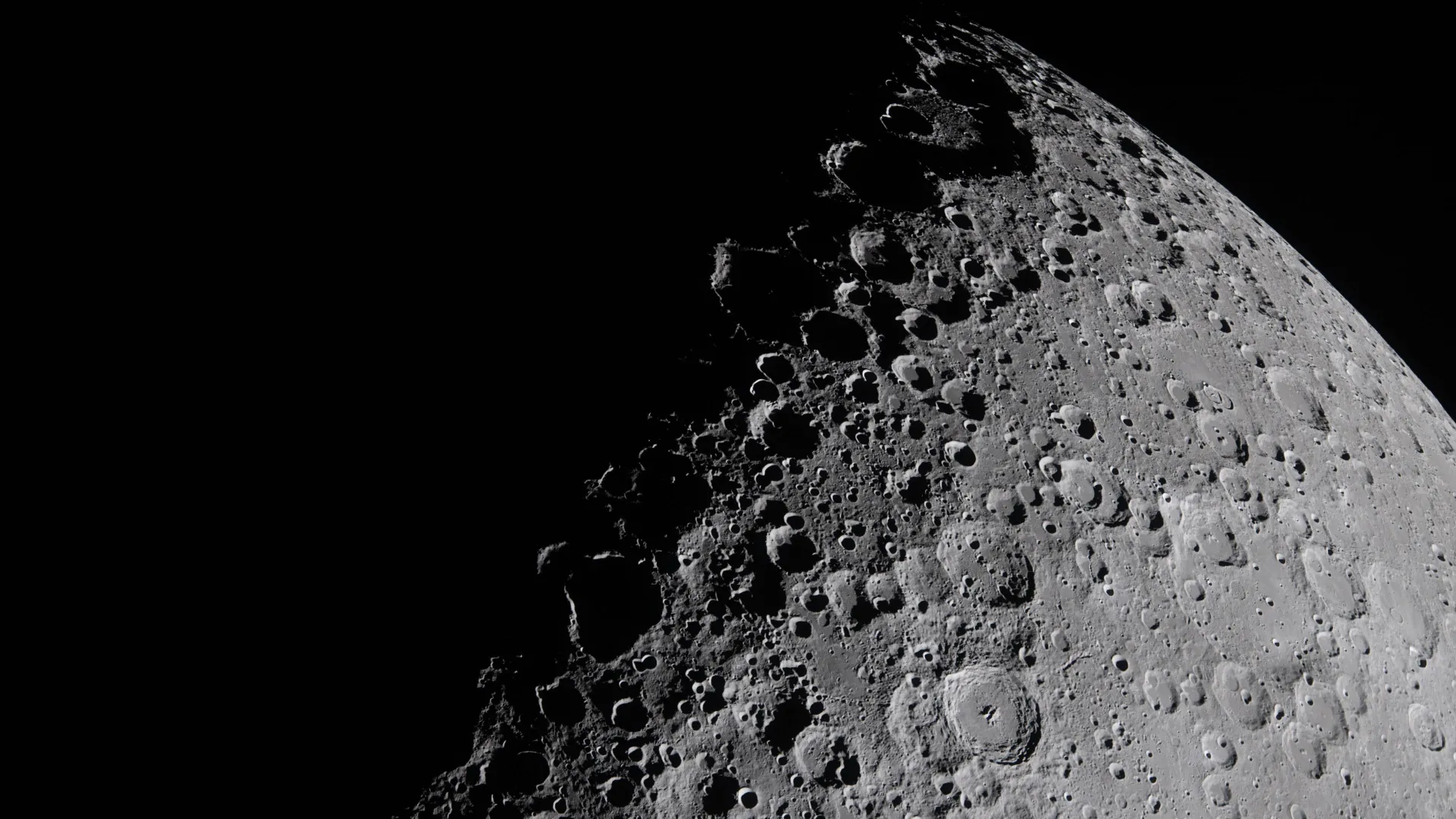
Researchers show that ice makes lunar soil stiffer, speeding up seismic vibrations and reflecting energy in ways a seismometer can detect. The method could guide Artemis astronauts to water resources and preserve clues about Earth's oceans.
New modeling shows that proper acceleration peaks at the fireball boundary during heavy-ion collisions, reaching hundreds of MeV. Researchers propose acceleration may act as a thermodynamic control parameter for QCD matter.
The Japanese director's latest film, loosely based on a published correspondence between two scholars, earned Virginie Efira and Okamoto Tao a shared Best Actress award at the 2026 Cannes Film Festival.
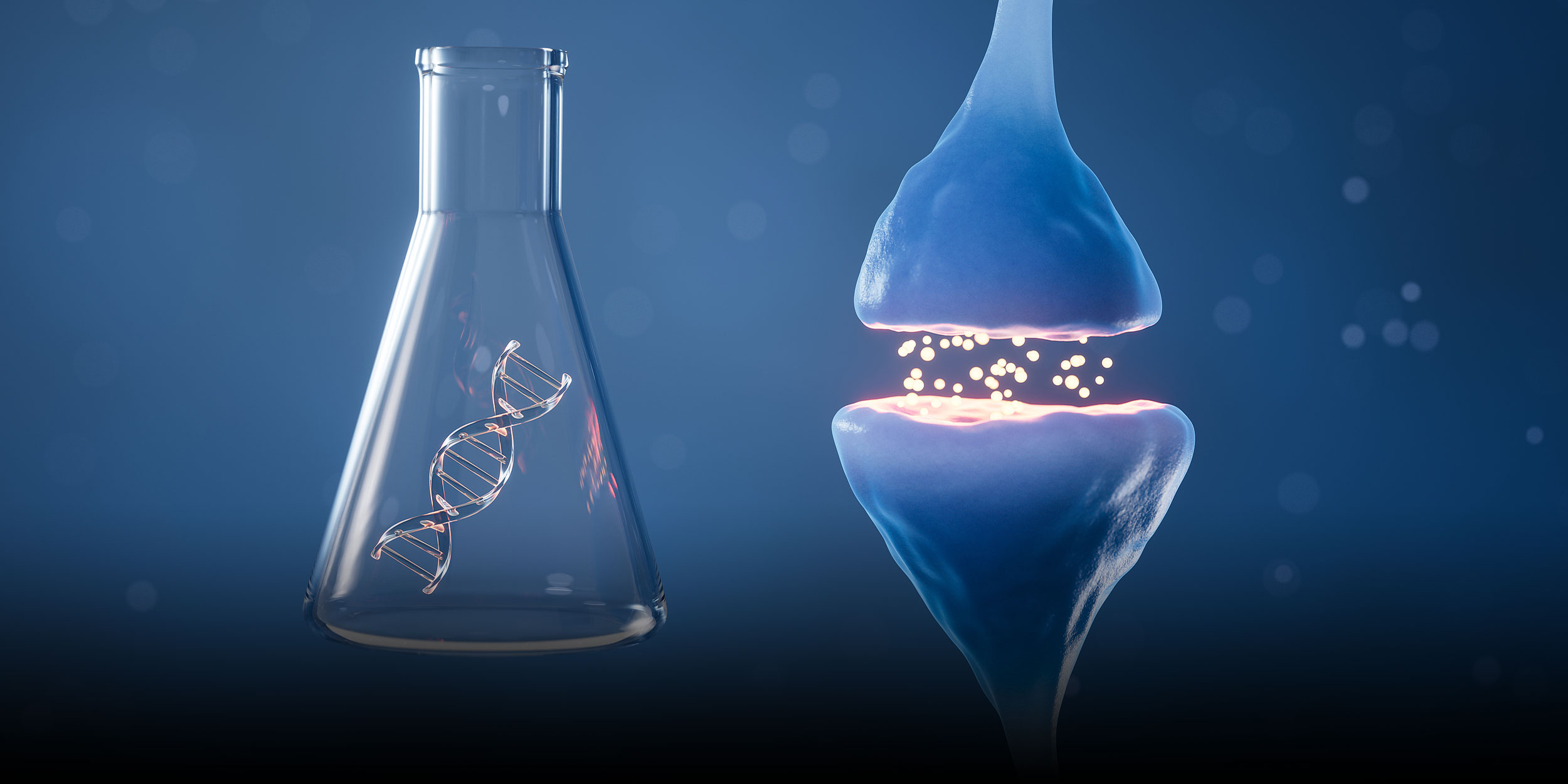
An experimental siRNA therapy called RAG-17 reduced SOD1 protein and neurofilament light chain levels in six patients with SOD1-related ALS, with no serious adverse events reported.
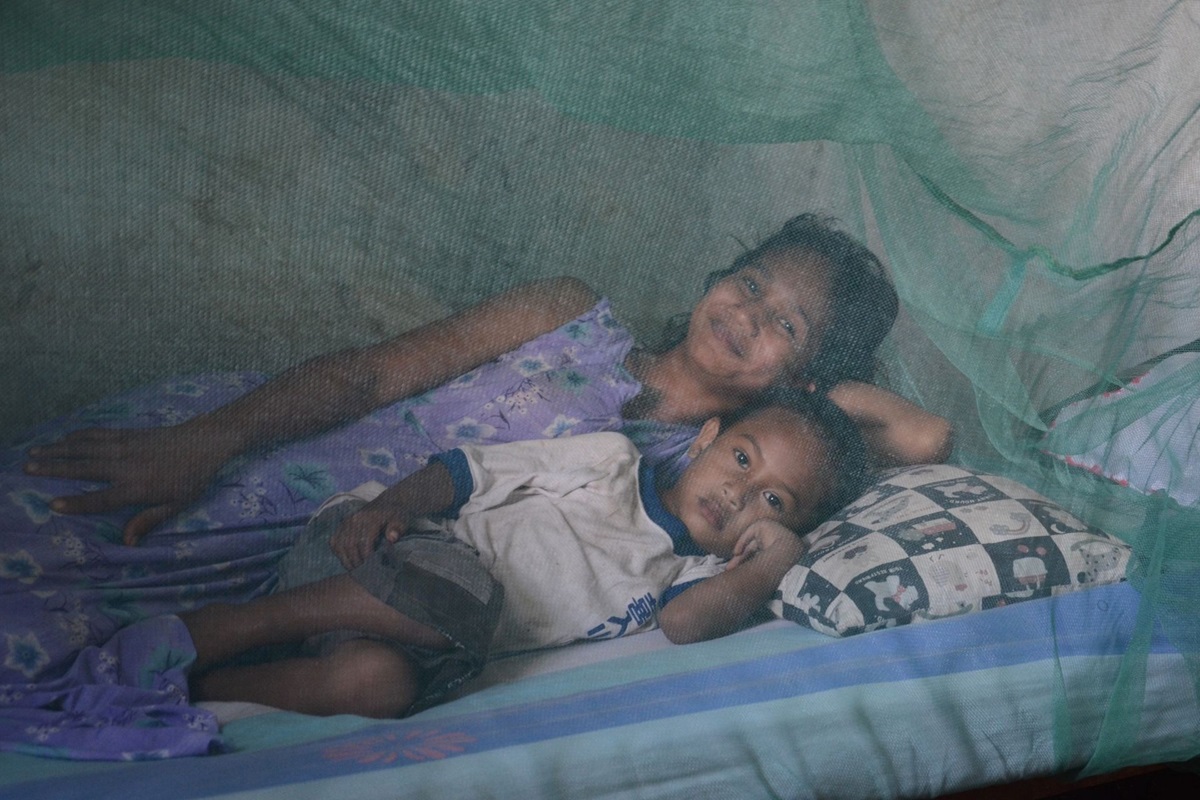
Timor-Leste has been officially certified malaria-free by the World Health Organization, becoming the third country in the South-East Asia region to achieve the status after reducing cases from over 223,000 in 2006 to zero indigenous cases since 2021.