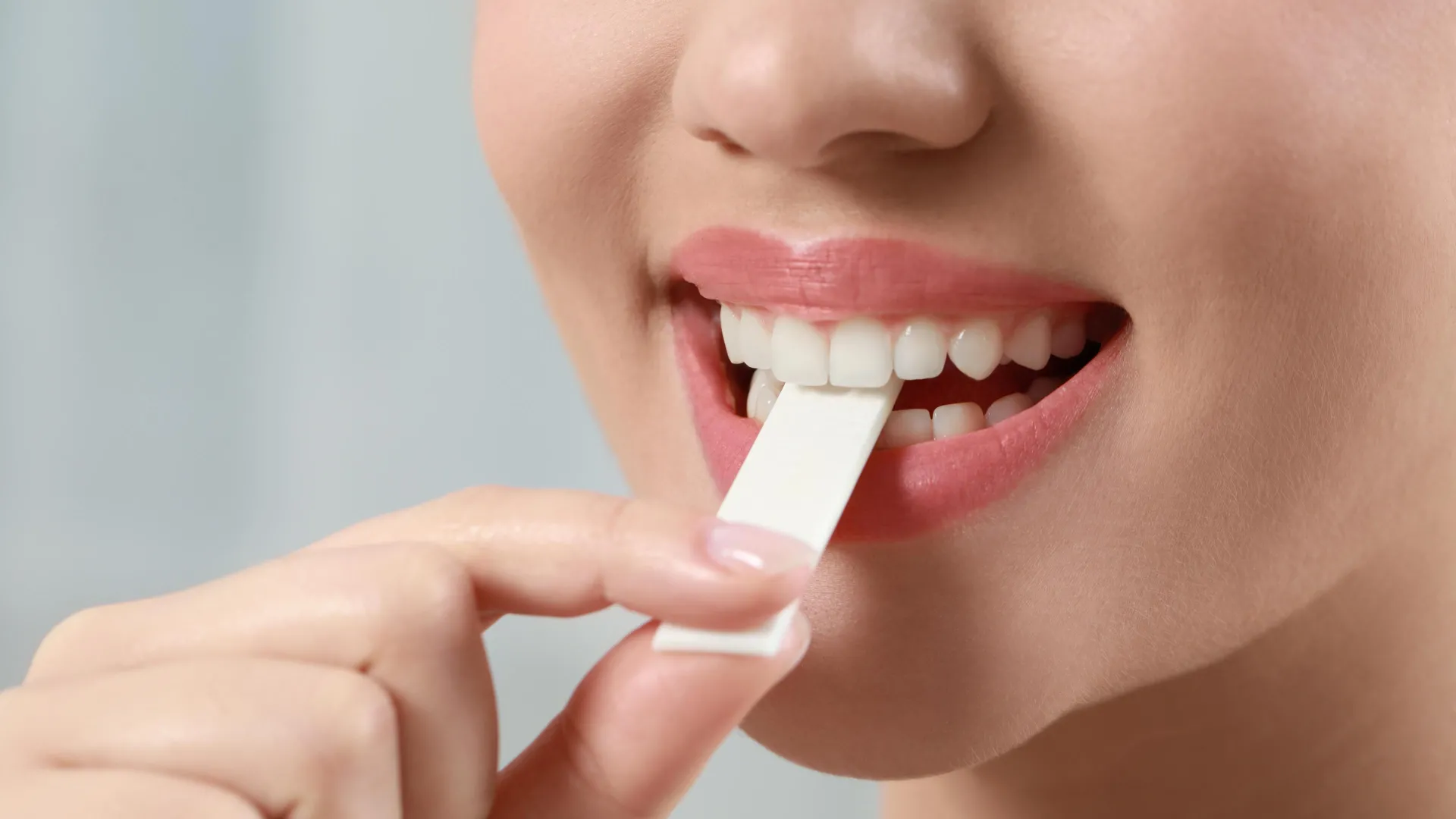
Researchers at the University of Pennsylvania have developed a bioengineered chewing gum that sharply reduced levels of three microbes associated with head and neck squamous cell carcinoma in laboratory tests using patient samples.
The gum, derived from lablab beans, contains FRIL, a naturally occurring antiviral protein, and was further engineered to include protegrin, an antimicrobial peptide that targets harmful bacteria.
In tests with saliva samples from patients with head and neck cancer, extracts from the gum lowered human papillomavirus (HPV) levels by 93%, while oral rinse samples showed an 80% reduction.
A single dose of the engineered gum brought levels of Porphyromonas gingivalis and Fusobacterium nucleatum — two bacteria linked to worse cancer outcomes — down to nearly zero.
Importantly, the treatment did not appear to harm beneficial bacteria that normally inhabit the mouth, a contrast to radiation therapy which can reduce helpful microbes and promote the growth of disease-causing yeast such as Candida albicans.
The research team, led by Henry Daniell of the School of Dental Medicine, suggests the gum could eventually serve as an adjunct to current cancer treatments or as a preventive measure against infection and transmission.
The findings were published in Scientific Reports and supported by grants from the National Institutes of Health, the David Geffen School of Medicine at UCLA, and the National Cancer Institute.
Daniell noted that lip and oral cavity cancer was the seventh leading cancer type in incidence and mortality worldwide among adolescents, young adults, and middle-aged adults in 2022, underscoring the need for new therapeutic approaches.
Cancer-fighting chewing gum cuts HPV levels by up to 93%
This is an independent summary. The complete reporting, supporting context and any primary documents remain with ScienceDaily.