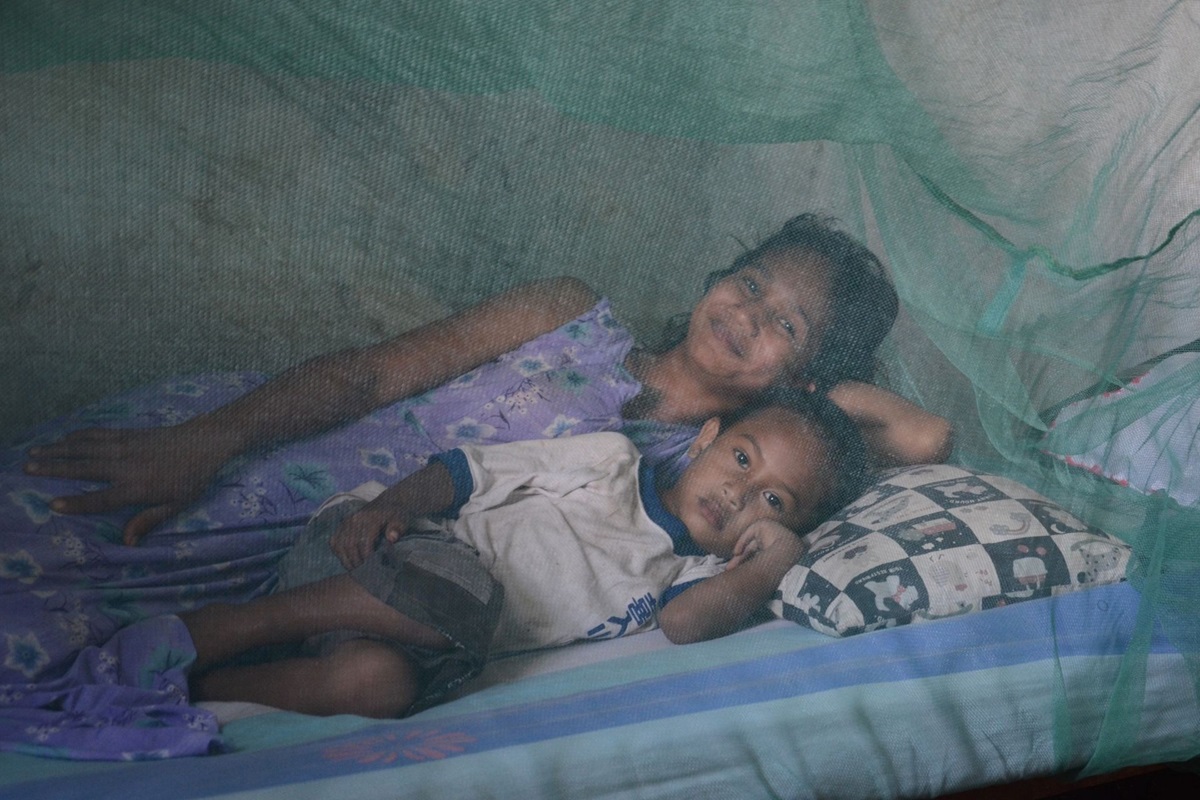
The World Health Organization announced on July 23, 2025, that Timor-Leste has been certified malaria-free, marking a significant public health milestone for the Southeast Asian nation. WHO Director-General Dr Tedros Adhanom Ghebreyesus congratulated the government and people of Timor-Leste, stating that the achievement demonstrates malaria can be stopped when political will, smart interventions, sustained investment, and dedicated health workers unite.
Certification is granted when a country proves beyond reasonable doubt that the chain of indigenous malaria transmission has been interrupted nationwide for at least three consecutive years. With this announcement, 47 countries and one territory have now received WHO malaria-free certification. Timor-Leste joins Maldives (2015) and Sri Lanka (2016) as the third certified country in the WHO South-East Asia region.
Timor-Leste's path to elimination began shortly after independence in 2002. The Ministry of Health established the National Malaria Programme in 2003 with only two full-time officers, laying the groundwork through strong technical leadership and managerial capacity. Clinically diagnosed cases peaked at more than 223,000 in 2006 before declining to zero indigenous cases from 2021 onward.
Key interventions included the introduction of rapid diagnostic tests and artemisinin-based combination therapy under national treatment guidelines, and the distribution of free long-lasting insecticide-treated nets to at-risk communities. In 2009, with support from the Global Fund to Fight AIDS, Tuberculosis and Malaria, the country scaled up nationwide vector control through net distribution and indoor residual spraying.
Malaria diagnosis was expanded using microscopy and rapid diagnostic tests at all local health posts. Despite severe shortages of health workers and doctors, Timor-Leste invested in a three-tier health system comprising national hospitals, reference hospitals, community health centers, and health posts to ensure most residents can access care within an hour's walk. Free universal health care at the point of care, monthly mobile clinics, and community outreach programs further extended services to rural areas.
A real-time integrated case-based surveillance system enabled rapid data collection and response, while trained health workers conducted timely detection and screening of malaria cases, including at borders. Health Minister Dr Élia António de Araújo dos Reis Amaral emphasized that the victory honors every life lost and saved, and must be safeguarded through continued vigilance and community action to prevent re-entry of the disease.
WHO Representative to Timor-Leste Dr Arvind Mathur described the certification as a defining national triumph driven by bold leadership, tireless health workers, and the resolve of the people. He noted that ending transmission and maintaining zero deaths requires more than science; it takes grit, and the achievement protects present and future generations.
Timor-Leste certified malaria-free by WHO
This is an independent summary. The complete reporting, supporting context and any primary documents remain with World Health Organization.