The chemotherapy drugs etoposide and teniposide are administered to millions of patients each year for cancers of the lung, blood and other organs.
Manufacturing both drugs is described as low-yield and complicated, and it depends on precursor compounds harvested from plants in the subfamily Podophylloideae.
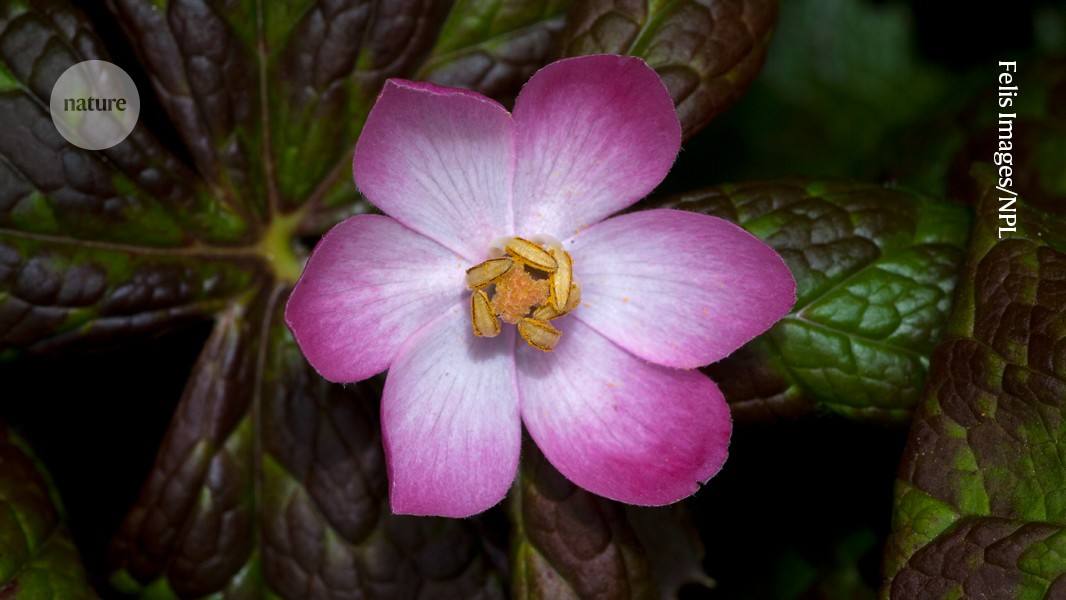
One important source is Sinopodophyllum hexandrum, also known as Podophyllum hexandrum, an endangered species native to high-altitude regions of the Himalayas.
A research team has now detailed a new biosynthetic pathway that enables modified baker's yeast to produce a precursor for these drugs.
The work, published in Science, demonstrates that the engineered yeast can supply the needed chemical building block without relying on wild or cultivated plant material.
Shifting production to a microbial host could reduce harvesting pressure on S. hexandrum and its relatives, helping to conserve the endangered plant populations.
The study represents an advance in synthetic biology applied to pharmaceutical manufacturing, offering a potential alternative to the current plant-dependent supply chain.
Engineered yeast that make cancer drugs could spare a rare flower
This is an independent summary. The complete reporting, supporting context and any primary documents remain with Nature.