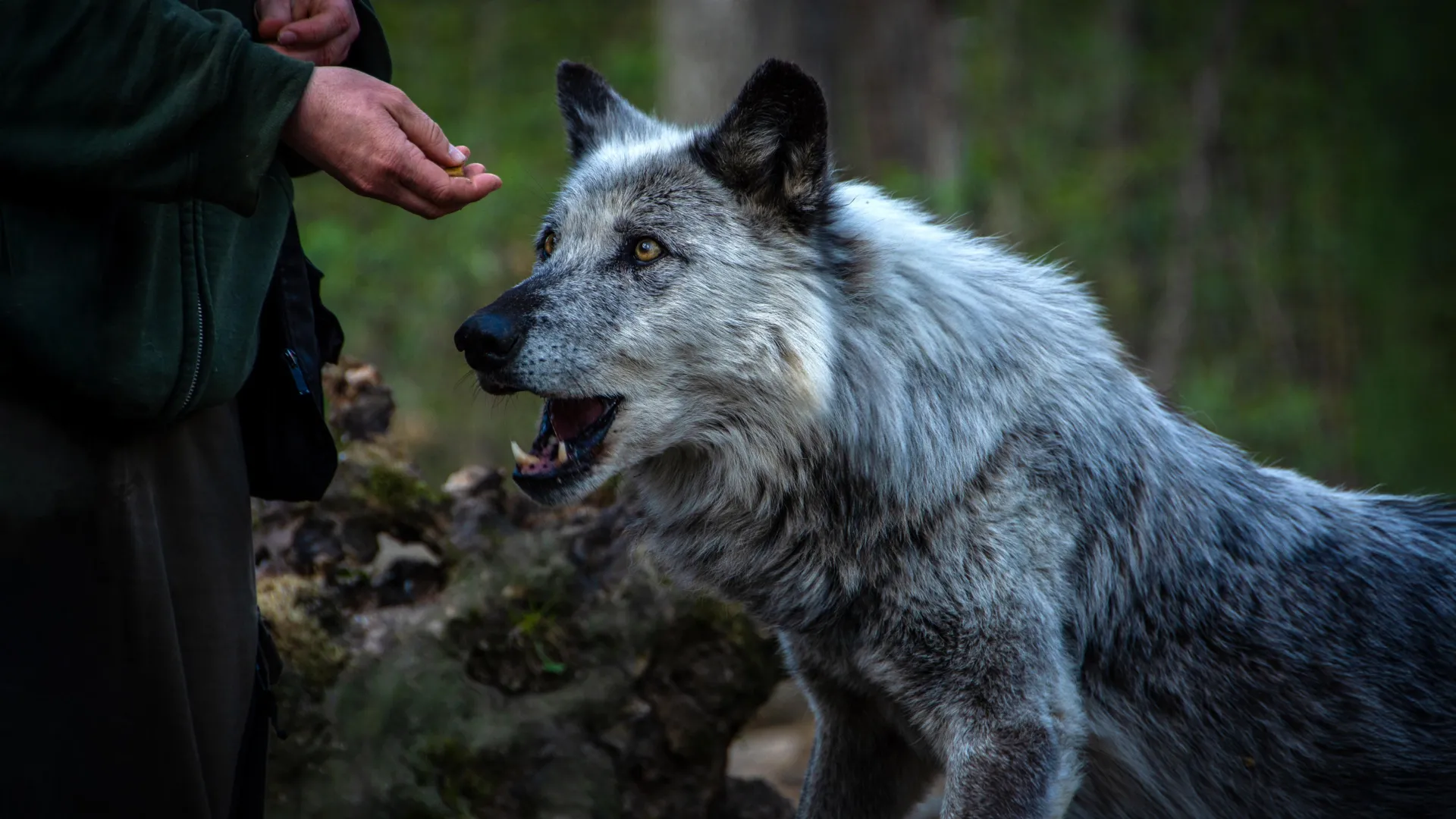
Archaeologist Peter Mitchell of the University of Oxford argues in a new book that dog domestication was a gradual, mutual process rather than a one-sided human takeover of wolves. Evidence from graves, artwork, and genetic studies indicates that dogs and hunter-gatherer communities formed partnerships long before the domestication of other animals or plants.
Genetic research shows that dogs and humans in high-altitude regions such as the Tibetan Plateau independently evolved similar genetic adaptations for coping with low oxygen levels. In the Arctic, skeletal remains reveal that dogs developed specialized vertebrae and limb bones for pulling heavy sled loads, while stable isotope analysis shows that coastal human and dog diets were both dominated by marine resources.
In tropical rainforests of South America and Southeast Asia, dogs evolved smaller, leaner bodies suited for agile hunting in dense vegetation. Ethnographic records indicate that Indigenous communities actively managed breeding to preserve hunting abilities and sometimes crossed dogs with wild canids to reinforce desired traits.
Cultural preferences also drove diversification. On the Northwest Coast of North America, some communities bred small, woolly-coated dogs specifically for their hair, which was woven into ceremonial blankets. Elsewhere, dogs held spiritual or ceremonial roles that influenced selection for particular appearances or behaviors.
Disease acted as a constraint on canine expansion. Vector-borne illnesses such as trypanosomiasis and ehrlichiosis may have limited the spread of dogs into parts of sub-Saharan Africa, helping explain why dogs arrived later or remained less widespread in some tropical regions compared to temperate zones.
Genetic studies reveal that many ancient dog lineages were largely replaced by European breeds during colonial expansion, though traces of those older populations persist in modern genomes. Mitchell emphasizes that the co-evolutionary process is ongoing and that the relationship has been a joint effort, even though humans have increasingly directed its course in recent centuries.
For 15,000 years, humans and dogs have been changing each other
This is an independent summary. The complete reporting, supporting context and any primary documents remain with ScienceDaily.