Researchers have shown that a protein produced by the American bullfrog can neutralize saxitoxin, the neurotoxin responsible for paralytic shellfish poisoning. The study, published July 16 in Nature Communications, demonstrated that saxiphilin acts as a molecular sponge, binding the toxin before it can block sodium ion channels on nerve cells.
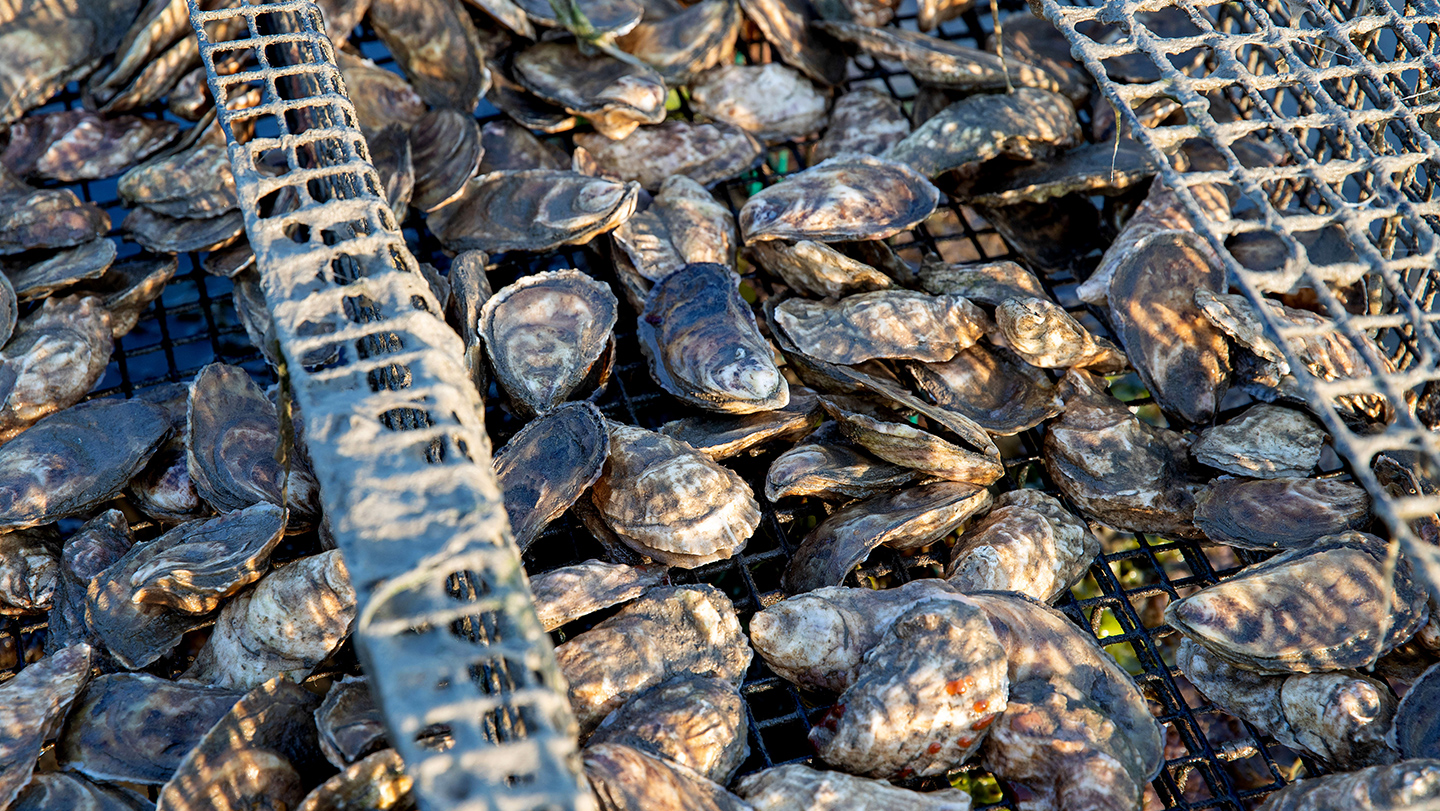
Saxitoxin is produced by certain marine algae during harmful algal blooms and accumulates in shellfish. In humans, ingestion causes nausea, tingling, and potentially fatal paralysis. Currently, no specific antidote exists; treatment relies on supportive care such as mechanical ventilation.
In the experiments, 13 mice received a lethal dose of saxitoxin; nearly all developed limb paralysis within three minutes and died. A separate group of 10 mice received saxiphilin one minute after the toxin, and nine survived. High survival rates were also observed when the protein was administered simultaneously with or before the toxin.
The protein works by sequestering saxitoxin, preventing it from reaching sodium channels that control nerve impulses and muscle movement. Once bound, the toxin can be transported out of the body for destruction or excretion. Researchers noted the protein's effectiveness even at relatively low ratios to the toxin.
Evolutionary biologist Rebecca Tarvin of the University of California, Berkeley, who was not involved in the study, said the results show the amphibian-derived protein remains functional in warm mammalian bodies, a prerequisite for human therapeutic development. She noted it could serve as both a prophylactic and a therapeutic agent.
Practical challenges remain. Administering an antidote one minute after exposure is unrealistic for humans, who typically develop symptoms hours after consuming contaminated shellfish. However, that delay may provide a sufficient window for clinical intervention once poisoning is suspected.
Further studies are needed to confirm safety in humans and efficacy against other, more potent saxitoxin variants. Biophysicist Daniel Minor of the University of California, San Francisco, also aims to develop a rapid, inexpensive field test using saxiphilin so harvesters can screen catches more quickly than current laboratory methods allow.
Minor emphasized the broader biological significance: toxins and resistance mechanisms are widespread in nature. Understanding how saxiphilin and similar proteins function could reveal new strategies against a range of natural toxins.
Bullfrogs may have an antidote to deadly shellfish poisoning
This is an independent summary. The complete reporting, supporting context and any primary documents remain with Science News.