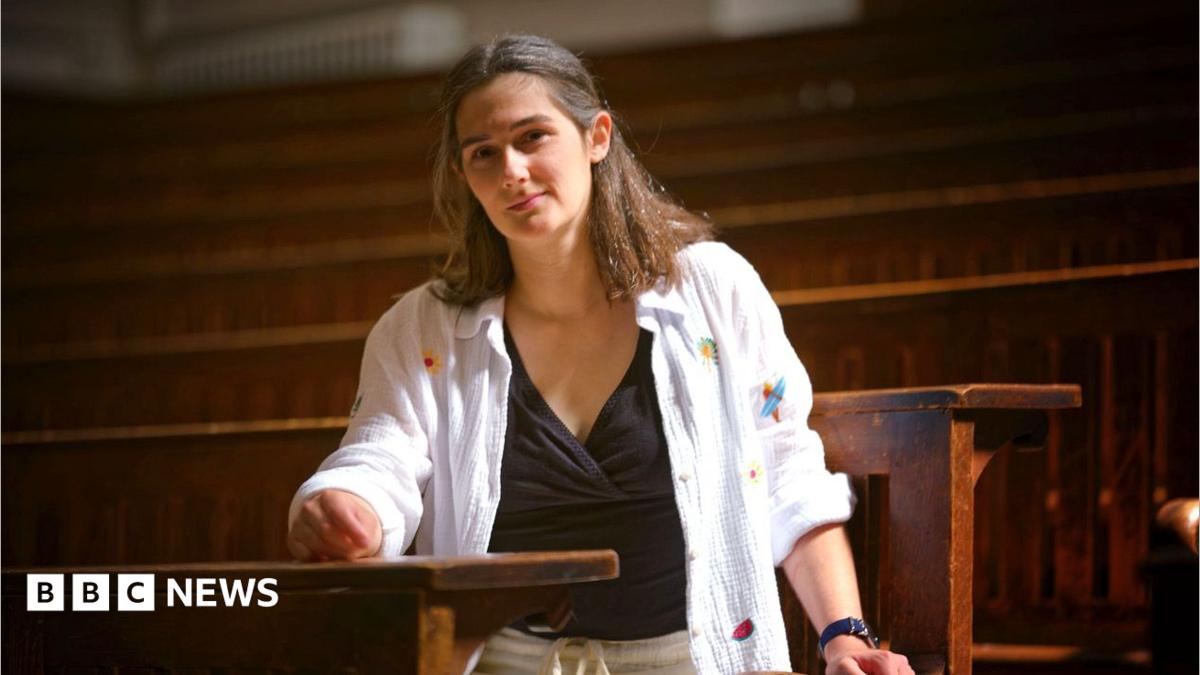
Dr Amanda Cole, 32, an assistant professor in sociolinguistics at the University of Cambridge, has publicly disclosed her Tourette's syndrome after concealing it throughout her academic career. The decision follows an incident at the 2024 Bafta Film Awards where a guest's vocal tics drew public attention, prompting Cole to speak openly about her condition.
Cole was diagnosed in her 20s after first experiencing a vocal tic at age 15. She recalls fearing the condition would prevent her from having a career or family. For years she suppressed tics in professional settings or released them only when colleagues looked away, a masking strategy she describes as physically uncomfortable, akin to holding back a sneeze.
Her vocal tics often involve the names of her husband, son, or cat, or random phrases such as "good night" during the day. Cole notes she does not experience coprolalia, the involuntary swearing associated with some Tourette's cases, and worries she presents a "palatable" version of the condition.
Data from the Higher Education Statistics Agency shows only 70 out of roughly 245,000 UK academic staff have disclosed a developmental condition affecting motor or cognitive skills, a figure experts believe significantly undercounts the true number. Emma McNally, chief executive of Tourette's Action, says many academics hide their neurodiversity fearing professional repercussions.
In May, the BBC accompanied Cole as she told students about her condition for the first time during a lecture on accents. Linguistics student Tim Morrice said he had no prior awareness but appreciated the visibility of a neurodivergent academic. Fellow student Abbie Lovewell said the disclosure made "no difference" to her view of Cole as a supervisor.
Cole, who is also autistic, describes Tourette's as giving her "hyperfocus," enabling sustained, productive work on research, painting, or piano. Asked if she would take a hypothetical cure, she answered firmly no, saying her brain's wiring is integral to her identity and achievements.
Her husband, Ed Wellington, says he was unaware of her diagnosis when they met and has made small household adjustments, such as eating crunchy foods in another room, to reduce sensory overload. Cole says if her son develops Tourette's, she will encourage him to harness its strengths.
Reflecting on her teenage self, Cole says: "You're going to be fine, you don't need to be scared, Tourette's is fine. I don't feel I've lived my life despite my Tourette's, I feel I've lived my life well with Tourette's and autism."
'I felt Tourette's would ruin my life, now I teach at Cambridge'
This is an independent summary. The complete reporting, supporting context and any primary documents remain with BBC News.