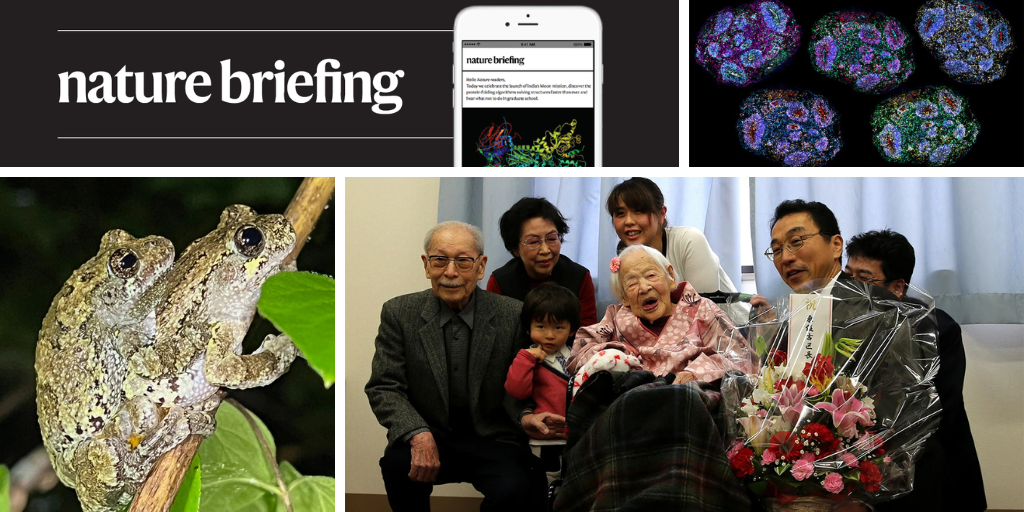
A study published in Cell Reports found that individuals who reach 110 years of age or older have significantly expanded populations of a rare subset of cytotoxic T cells.
These CD4-positive cytotoxic T lymphocytes are capable of directly killing cancer cells, a function not typical of conventional CD4 T cells.
The research team, co-authored by biologist Kosuke Hashimoto, analyzed immune profiles from supercentenarians and compared them with younger elderly controls.
The expanded cell populations were distinct from the general immune decline usually observed with aging, indicating a selective adaptation rather than broad preservation.
Hashimoto noted that most immune aging research has focused on deterioration, but this work shows the immune system may still remodel itself in extreme old age.
The authors caution that a direct causal link between these cells and exceptional longevity has not been established.
Further studies are needed to determine whether the cells actively contribute to cancer surveillance and survival or are a marker of other protective factors.
Daily briefing: People older than 100 have more cancer-killing cells
This is an independent summary. The complete reporting, supporting context and any primary documents remain with Nature.