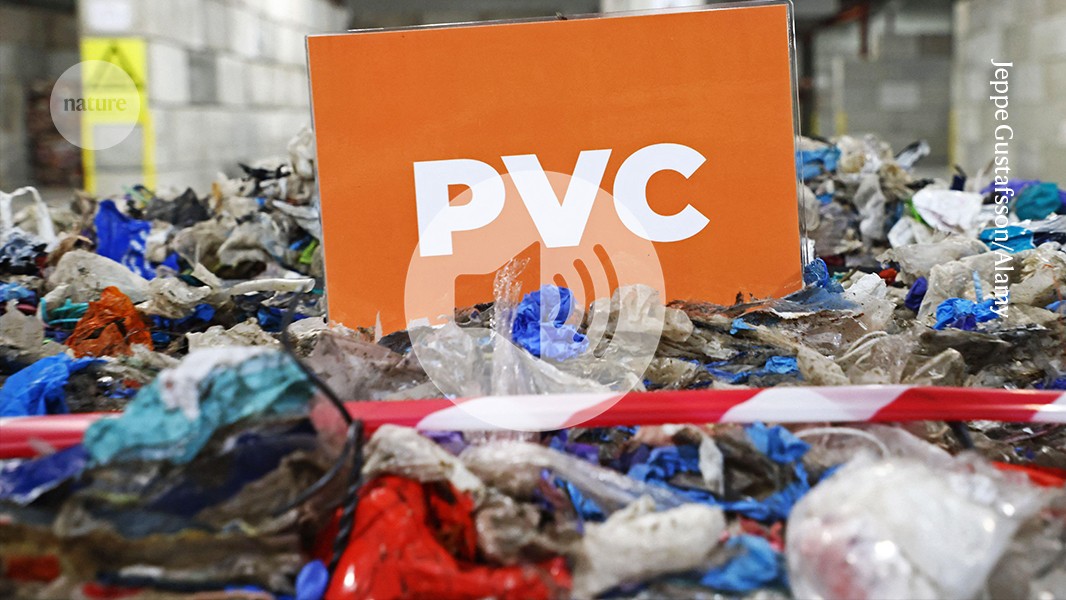
Researchers have developed a chemical method to upcycle polyvinyl chloride (PVC), one of the world's most widely used and difficult-to-recycle plastics, into polyalphaolefins (PAOs), the primary base stocks for high-performance synthetic lubricants.
The process, described in a study by Munyaneza et al., uses a two-step catalytic approach that first removes chlorine atoms from the polymer backbone and then rebuilds the resulting hydrocarbon chains into the branched structures characteristic of PAOs.
PVC recycling has long been hampered by its high chlorine content, which corrodes equipment and generates hazardous byproducts such as hydrochloric acid and dioxins during conventional thermal treatment.
The new method addresses this by capturing the chlorine in a stable, solid form that can be handled safely, avoiding the release of toxic gases.
The resulting lubricant base stocks meet the molecular weight and viscosity specifications required for commercial PAO grades, suggesting the process could integrate into existing industrial supply chains.
If scaled, the technique could divert significant volumes of PVC waste from landfills and incineration while displacing fossil-derived feedstocks for lubricant production.
The work appears in the journal Nature alongside a separate study on engineered yeast for cancer drug production.
Further research will be needed to assess the full life-cycle economics, energy balance, and catalyst longevity under continuous operation.
Junk plastic turns into high-value commodity with chemistry trick
This is an independent summary. The complete reporting, supporting context and any primary documents remain with Nature.