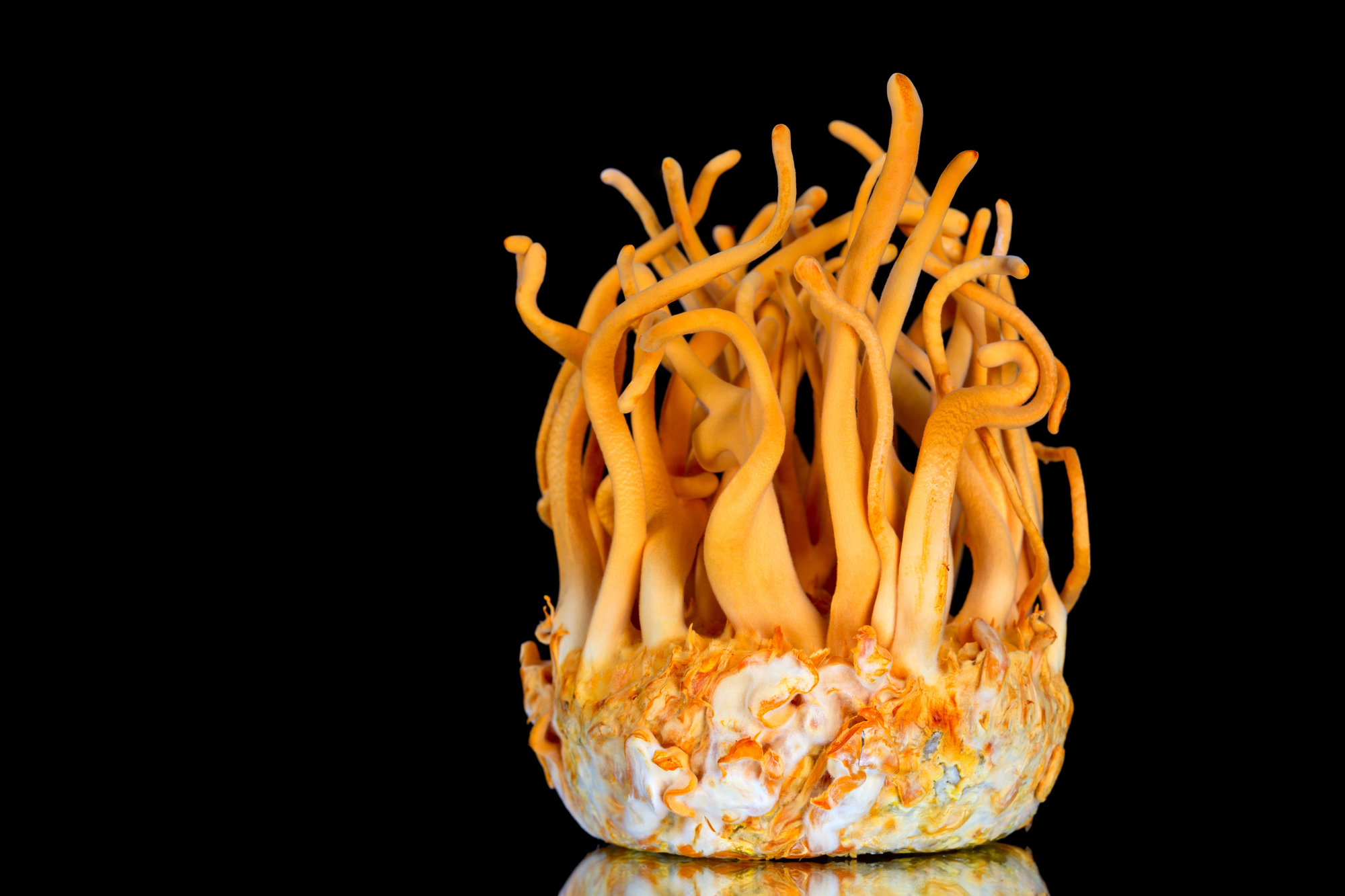
Scientists at the Shenzhen Institutes of Advanced Technology have produced a wearable textile by growing Cordyceps militaris, a fungus known for parasitizing caterpillars, into a flexible sheet.
The living material demonstrates autonomous self-repair when damaged, a property attributed to the ongoing metabolic activity of the fungal mycelium.
Laboratory tests showed the fabric blocks more than 99 percent of ultraviolet radiation across both UVA and UVB spectra without added chemical finishes.
When buried in soil under ambient conditions, the textile lost structural integrity and fully biodegraded within 41 days, leaving no persistent microplastic residue.
The cultivation process uses agricultural by-products as a growth substrate and requires significantly less water and energy than conventional cotton or synthetic fiber production.
Researchers note that the fabric's mechanical strength and durability under repeated washing cycles remain lower than those of mature commercial textiles.
Further work is needed to scale the bioreactor process, standardize thickness, and improve abrasion resistance before the material could enter pilot manufacturing.
The study was published in the journal Advanced Functional Materials and represents a proof-of-concept for living, programmable textiles.
The biodegradable, self-cleaning fabric made from living caterpillar fungus
This is an independent summary. The complete reporting, supporting context and any primary documents remain with The Optimist Daily.