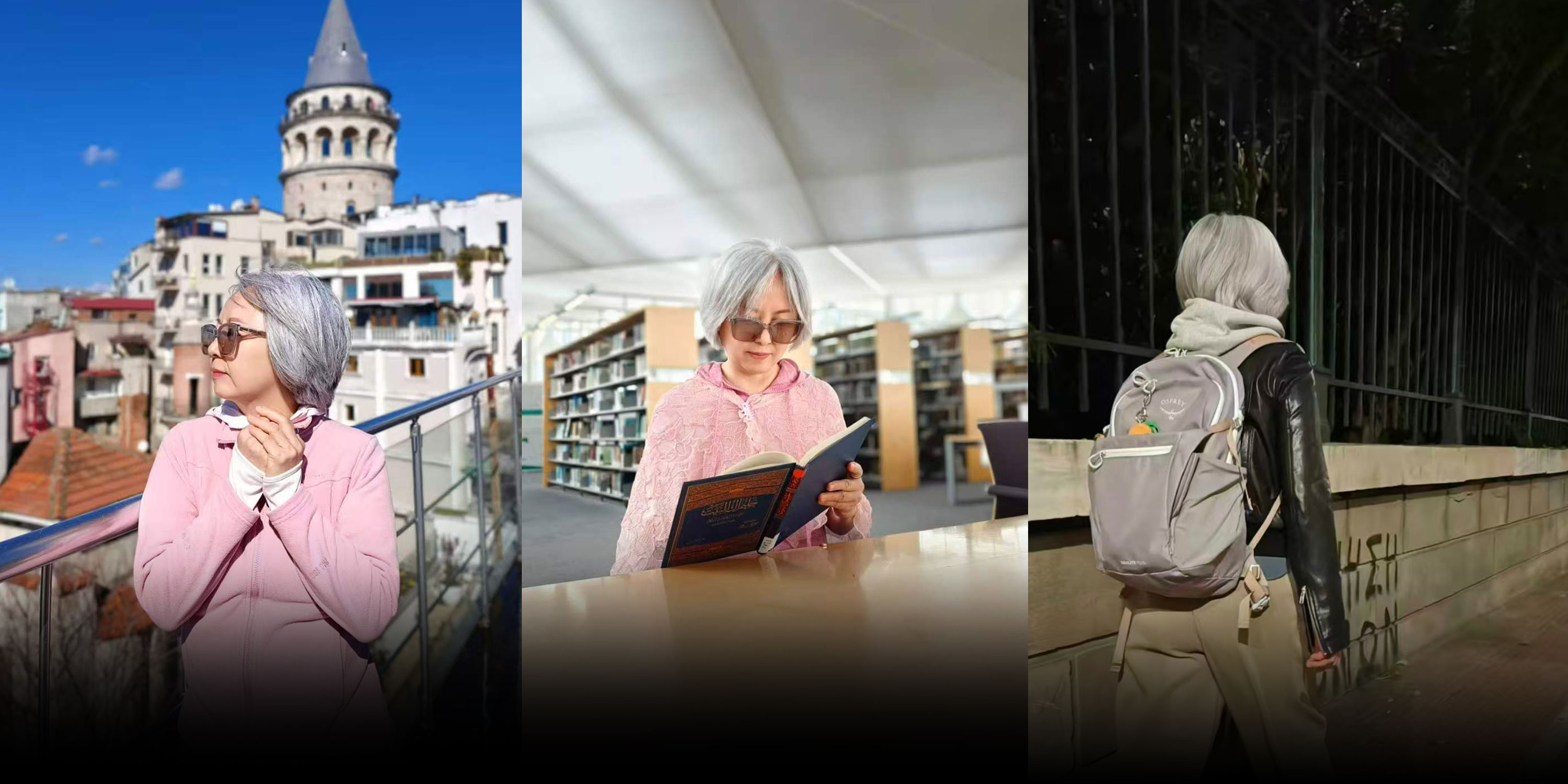
A growing number of Chinese retirees are enrolling in overseas education programs, drawn by greater financial security, free time, and familiarity with international study after sending their own children abroad. EF Education First estimates the broader Chinese overseas education market for older adults could reach 1.2 trillion yuan ($167 billion) by 2030. While China already operates about 105,000 domestic universities for older adults, overseas programs that combine learning with travel hold particular appeal.
In New Zealand, two retirees in their 50s described difficult experiences in English-language programs operated by EF. Zhao, 54, paid about 160,000 yuan for an eight-month beginner course and homestay after EF assessed her at the A1 level. Upon arrival, she found every available class beyond her level, with teachers speaking only English. She could not understand instructions to change classrooms or respond when called on, and the curriculum focused on academic subjects such as history and biology rather than the practical travel English she sought.
Zhang, 56, enrolled in a six-week program at the same school and faced a similarly punishing pace. She studied until 11 p.m. and rose at 4 a.m. to prepare, relying on a translation app but unable to keep up. Younger classmates avoided partnering with her for group work. Another Chinese retiree in the course quit after three days. Both women said the experience did not match promotional materials, and Zhang planned to file a complaint; EF did not respond to requests for comment.
Zhao’s longer stay eventually allowed adjustment. Over months she grew more confident, managed coursework, hiked locally, and made friends through a church community. She described becoming mentally stronger, though the initial period left her in tears and unable to share her distress with family.
In response to such mismatches, some Chinese providers are designing shorter, supported programs. New Oriental’s Global Campus Center offers two- to four-week overseas courses in subjects such as art in the UK and culinary arts in France, with no language prerequisite, pre-departure preparation, and on-site interpreters and coordinators. The company says older clients generally seek cultural immersion and hands-on learning rather than degrees.
At the University of Athens, 58-year-old Ella Wang pursued a different path: an English-taught undergraduate degree in Greek archaeology, history, and literature. More than 30 years earlier, a professor had told her she needed decades more life experience to complete her thesis. Now studying alongside classmates born around 2006, Wang learned to navigate digital systems, ordered printed textbooks to avoid screen fatigue, and rarely missed lectures. She used AI tools to review exams and bonded with peers over photos of her cats.
Wang said the coursework reshaped her thinking about conflict and social expectations, leading her to redefine her identity beyond roles as daughter, student, wife, and mother. She adopted the name Ella and described learning itself as the goal rather than a means to an end. While she has considered becoming a museum guide or writing a memoir, she emphasized that the primary gain was the freedom found in continued study.
Both trajectories illustrate the gap between retirees' motivations and education systems built for younger learners. Shorter, supported programs and degree pathways with adequate scaffolding can work, but many existing offerings leave older students overwhelmed, isolated, or financially exposed.
China’s Study Abroad Boom Finds a New Generation: Retirees
This is an independent summary. The complete reporting, supporting context and any primary documents remain with Sixth Tone.