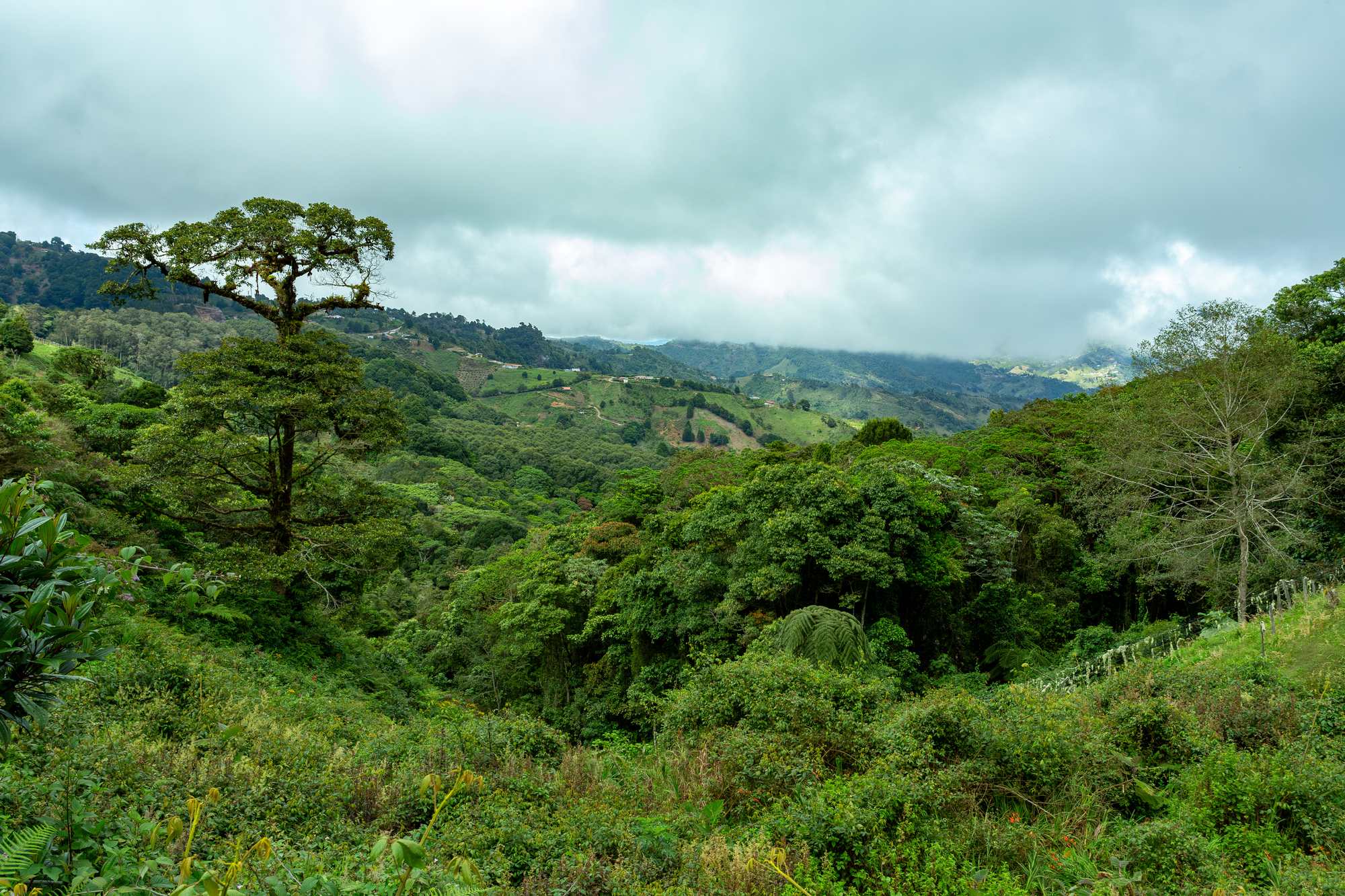
A study published in Nature reports that cleared tropical rainforests in Ecuador's Chocó region can recover 90 percent of their species diversity within 30 years when human activity ceases.
The Chocó region is recognized as one of the most biodiverse stretches of Pacific coast forest on the continent.
Researchers pooled data from more than 30 research projects to assess recovery patterns across different taxonomic groups.
The findings indicate that natural regeneration, without active planting or intervention, can restore a substantial portion of the original biological community.
Recovery rates varied among species groups, with some taxa returning more quickly than others.
The study emphasizes that the 30-year timeframe represents a single human generation, making the recovery ecologically meaningful on human timescales.
Researchers caution that the 90 percent figure applies to species diversity metrics and does not necessarily mean full ecosystem function or original species composition is restored.
Protection from further disturbance remains essential for the recovery trajectory to continue.
Rainforest biodiversity rebounds within a single generation
This is an independent summary. The complete reporting, supporting context and any primary documents remain with The Optimist Daily.