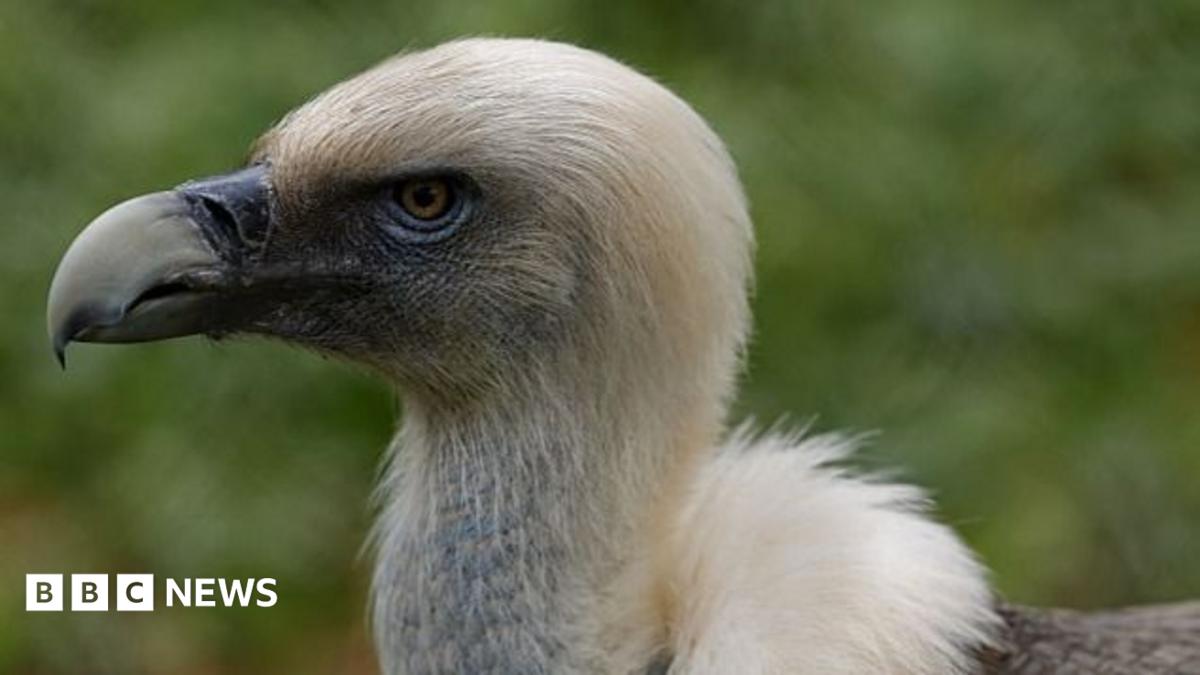
In the southeastern Nigerian town of Awka-Etiti, a sacred forest surrounding a shrine to the deity Nguma has become a refuge for vultures at a time when populations are collapsing across Africa. Local resident Chukwuemeka Igwe, known as the "King of Vulture" for his volunteer work with the Nigeria Conservation Foundation (NCF), says the community does not hunt the birds because their presence signals that a sacrifice has been accepted by the deity.
That cultural protection contrasts with the wider trend. Seven African vulture species are classified as Endangered or Critically Endangered, with populations falling 80% to 97% over 50 years, according to BirdLife International. Poisoning accounts for an estimated 60% of vulture deaths in Africa, while demand for body parts in traditional medicine and Vodun practices has driven prices for a dead adult vulture in Nigeria from roughly 25,000–30,000 naira to as high as 200,000 naira. Eggs and nests are also increasingly targeted, a catastrophic pressure for a slow-breeding species that produces only one chick every year or two.
Vultures provide a critical ecosystem service by consuming carcasses within hours, their powerful stomach acids neutralising pathogens such as anthrax and rabies. NCF conservation biologist Stella Egbe notes that where vultures have collapsed, zoonotic diseases have risen. Rapid urban growth has also destroyed the tall trees the birds need for nesting.
In Awka-Etiti, Igwe has spent six years mobilising community leaders, local groups and security teams to guard the birds against outside hunters. Local bylaws now formalise that protection. Volunteers monitoring the site report more than 160 vultures, up from about 20 recorded in 2017. Igwe says the birds are once again visible in the marketplace after a period of absence.
Nigeria has become a major hub for the illegal vulture trade, aided by its biodiversity and porous borders. Nigerian Customs Service spokesman Abdullahi Maiwada says seizures and prosecutions have occurred, but enforcement alone is insufficient without community understanding. Egbe describes Awka-Etiti as a demonstration of what is possible when residents lead conservation, though she and Igwe acknowledge that reversing the continent-wide decline will require far broader action.
Researchers from across West Africa are scheduled to meet in Abuja later this year to review the West African Vulture Conservation Action Plan drafted in 2022. Reliable population data remain limited, but conservationists say the Awka-Etiti example offers a measurable, locally grounded sign of recovery amid an otherwise dire regional outlook.
Vultures are disappearing in Nigeria - but the 'Vulture King' is fighting to reverse the trend
This is an independent summary. The complete reporting, supporting context and any primary documents remain with BBC News.