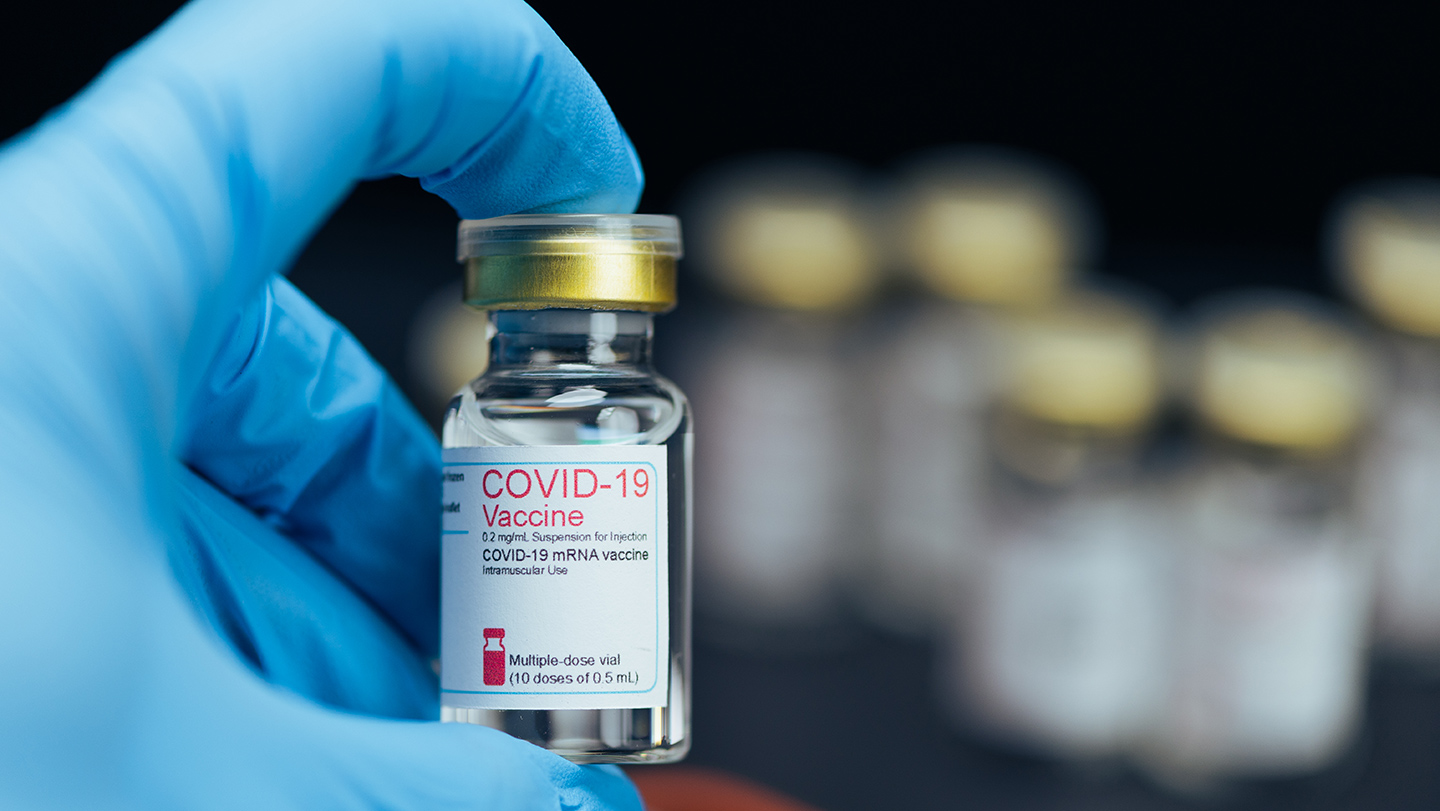
Researchers at the University of Alabama at Birmingham analyzed data from 187 glioblastoma patients who underwent biopsy or tumor removal between 2022 and 2025. Half of those who received a COVID-19 vaccine within 100 days before surgery survived at least 743 days, compared with a median of 349 days for unvaccinated patients.
The study, posted July 31 on medRxiv, has not yet been peer-reviewed and shows an association, not causation. The team attempted to control for COVID-19 infection severity and health-care access but could not rule out all confounding factors.
The survival benefit was specific to COVID-19 vaccines; patients who received influenza, pneumonia or shingles vaccines did not show a similar effect. Both mRNA and non-mRNA COVID-19 vaccines were included in the vaccinated group.
Neurosurgeon James Markert, who led the study, suggests the vaccine may stimulate the immune system to attack cancer cells. One hypothesis is that surgery releases tumor proteins into the bloodstream, exposing them to an immune system already primed by vaccination.
Preliminary data indicate a molecular similarity between a coronavirus protein fragment targeted by mRNA vaccines and a molecule on glioblastoma cells, raising the possibility of cross-reactive immune recognition.
A separate 2025 study by Elias Sayour's team at the University of Florida linked mRNA COVID-19 vaccination to extended survival in lung cancer and melanoma patients receiving immunotherapy.
Markert's group is now validating the findings in another patient cohort and considering a clinical trial to test the vaccine's direct effect. Sayour's team has already begun a trial examining whether an mRNA COVID-19 vaccine enhances immunotherapy in advanced non-small cell lung cancer.
Researchers caution that cancer patients should not delay surgery or standard treatment to get vaccinated. The results remain preliminary and require confirmation in randomized controlled trials.
The COVID-19 vaccine may offer brain cancer patients a surprise benefit
This is an independent summary. The complete reporting, supporting context and any primary documents remain with Science News.