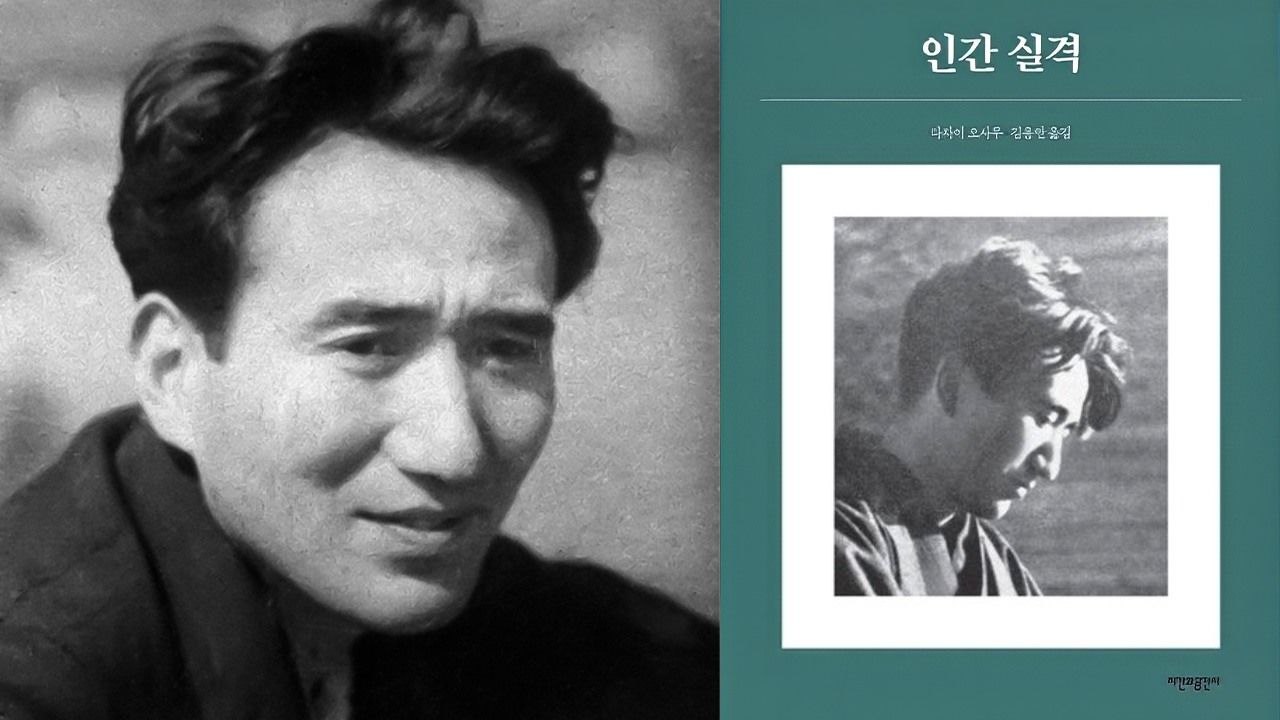
Dazai Osamu's 1948 novel "No Longer Human" has become a publishing phenomenon in South Korea, reaching its 142nd reprinting and selling more than 600,000 copies through publisher Minumsa. The book, initially released in Korean translation in 2004 to little enthusiasm, experienced a sudden spike in sales beginning in 2021 that literary scholar Kim Yong-an describes as unprecedented in the South Korean publishing world.
The novel's resurgence coincides with the rise of South Korea's "20/30 cohort" — people in their twenties and thirties who, despite high education levels, face bleak job prospects in a slow-growth economy. This generation prioritizes work-life balance and self-fulfillment over lifetime employment, and accounts for 40-45% of physical book purchases and 60-70% of ebook sales according to Ministry of Culture, Sports, and Tourism statistics.
Media adaptations helped fuel the boom, including the 2019 anime film "Human Lost" and a 2021 South Korean drama sharing the novel's title. Widespread sharing on social media and YouTube further propelled the book to bestseller status.
Young readers, particularly women, report identifying deeply with protagonist Ōba Yōzō's performance of a "painful clown act" — maintaining an upbeat persona while suppressing true feelings to meet workplace and social demands. Reviews describe the experience as "like someone had scanned what I was thinking" and note that Yōzō feels like "a close friend beside me who I can confide in."
The novel's confessional style and straightforward prose make it accessible, while its title — combining "human" and "disqualified" in the original Japanese — poses a fundamental question about social belonging. Yōzō's behavior swings between fitting in and standing out, passivity and control, creating narrative tension that readers describe as suspenseful.
Scholars note the work operates on multiple levels: as social satire reflecting postwar Japanese hypocrisy, as psychological portrait of alienation, and as a text that invites readers to question whether Yōzō has truly "failed as a human" or whether the judgment reflects society's own contradictions. The novel's clownish gestures function as both a plea for love and a form of defiance.
Beyond South Korea, "No Longer Human" has achieved cult classic status in English-speaking markets through multiple translations, horror manga adaptations by Itō Junji and Furuya Usamaru, and the popularity of the "Bungō Stray Dogs" manga and anime series featuring Dazai as a lead character.
Kim argues the novel's global appeal stems from its position as a classic of outsider literature that asks how people should live in society, transcending its Japanese origins to resonate with anyone weighed down by social expectations.
How Dazai Osamu’s “No Longer Human” Became a Bestseller in South Korea
This is an independent summary. The complete reporting, supporting context and any primary documents remain with Nippon.com.