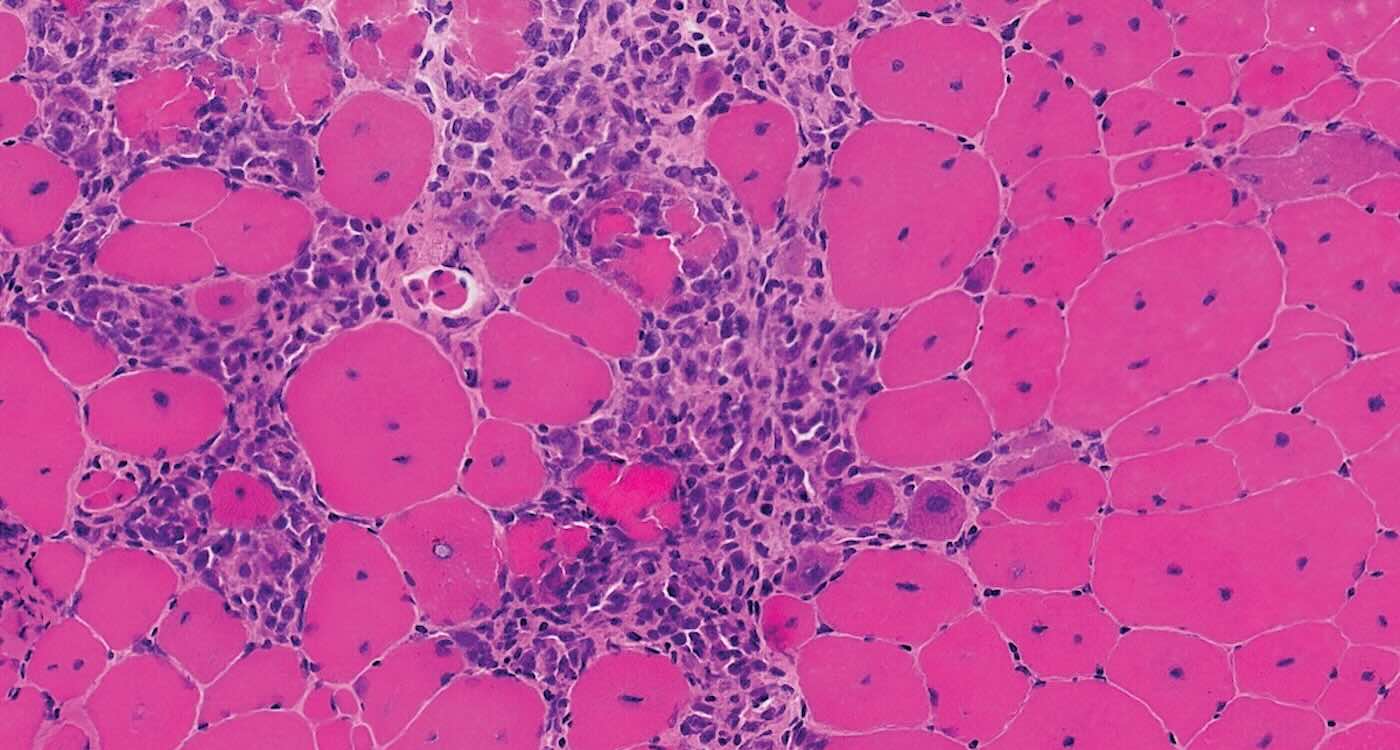
Researchers at Binghamton University in New York conducted a Phase II open-label study of vamorolone, a drug approved by the FDA in 2023 for Duchenne muscular dystrophy (DMD), in 20 boys aged 2 to younger than 4 who had never taken steroids. The study tested daily doses of 2 or 6 milligrams per kilogram of body weight over 12 weeks, with most participants continuing treatment for about two years through an expanded-access program.
DMD is a progressive genetic disorder caused by mutations that prevent production of dystrophin, a protein essential for muscle health. Because the gene is on the X chromosome, the disease primarily affects boys, and muscle damage begins at birth even though diagnosis often occurs years later when symptoms become noticeable.
Current standard care typically starts corticosteroids after symptoms appear, but researchers hypothesized that earlier intervention could protect muscle before it is replaced by scar tissue. Vamorolone was designed to provide anti-inflammatory benefits similar to corticosteroids while reducing side effects such as growth suppression, weight gain, and adrenal suppression.
At the start of the study, the boys averaged a score of roughly 5 on the Bayley III gross-motor scale, where healthy children typically score around 10. After 12 weeks of treatment, the average score rose to around 8, with the improvement particularly striking in the higher-dose group.
No serious adverse events were reported during the 12-week period. Some children experienced weight gain and adrenal suppression, especially at the higher dose. The researchers emphasized that the study was small, lacked a placebo control, and was not a large randomized clinical trial.
DMD was recently added to the U.S. Recommended Uniform Screening Panel for newborns, potentially allowing identification of affected infants before muscle weakness becomes apparent. Professor Eric Hoffman, one of the drug's developers, said that if preliminary data are confirmed, vamorolone could become an option for these babies, enabling intervention before significant muscle loss occurs.
New Treatment Shows Remarkable Motor Improvements in Boys With Muscular Dystrophy—in Just 12 Weeks
This is an independent summary. The complete reporting, supporting context and any primary documents remain with Good News Network.