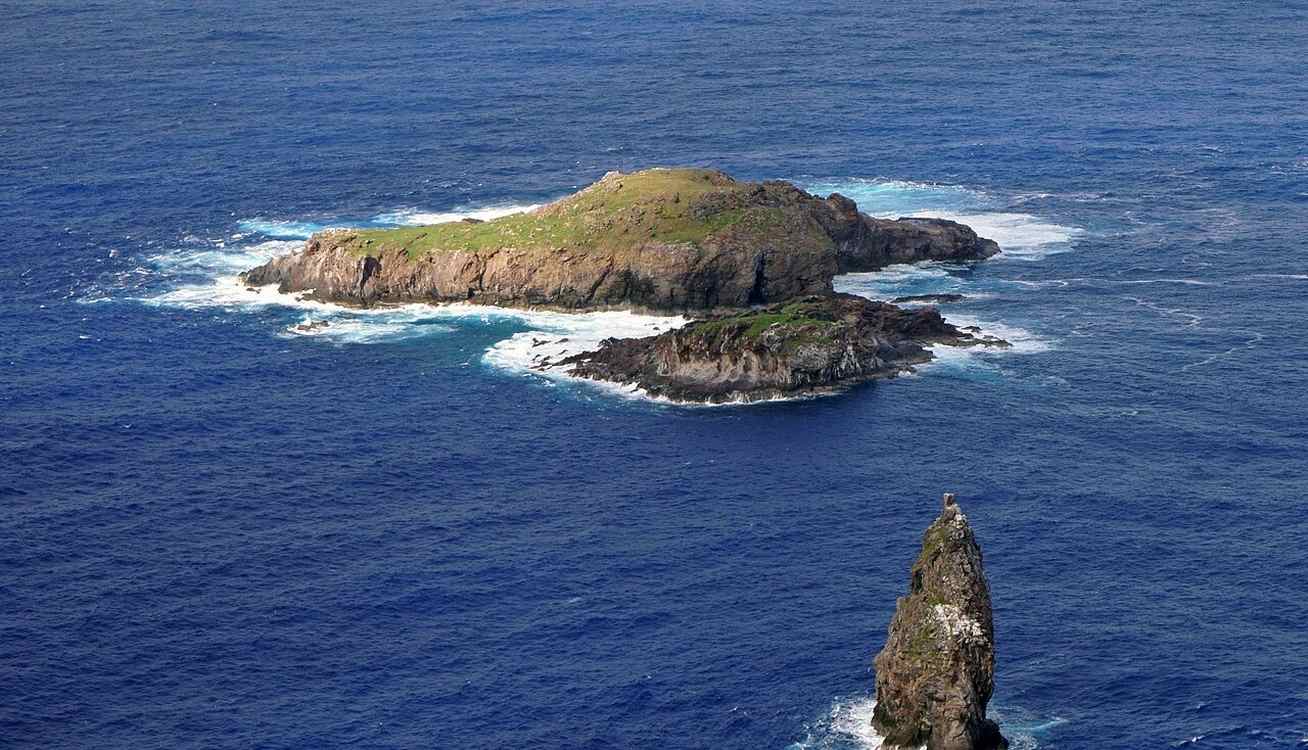
The waters surrounding Rapa Nui, also known as Easter Island, have been designated as a marine protected area covering more than 270,000 square miles, making it one of the largest such reserves on Earth. The announcement was reported on August 17, 2026, by the Good News Network.
A newly established "sea council" will govern the reserve, with the Indigenous Rapa Nui people holding six seats and elected officials from Chile, the island's sovereign nation, holding five. This structure gives the Indigenous community a voting majority in management decisions.
Jose Luis Cabello, Senior Latin America Director for the nonprofit Island Conservation, said the partnership aims to ensure the protected area is effectively managed and sustained for future generations. Island Conservation helped structure and organize the MPA.
The management framework will cover ranger patrols, regulation enforcement, scientific monitoring, and community outreach. The approach is intended to combine traditional knowledge with scientific methods. Funding for the initiative comes from the Packard Foundation.
The reserve has been named Te Moana Tapu a Hotu Matuʻa. It recently received a 2026 Blue Park Award, an international recognition for rigorous ocean conservation standards.
Scientific research has previously proposed that unidentified breeding colonies of several important whale species, including blue, fin, and humpback whales, may be present in the areas now under protection.
The reserve is described as one of the largest Indigenous-managed reserves on land or sea anywhere in the world. The framework reflects the Polynesian heritage of the Rapa Nui people, who settled the island after crossing the open ocean.
A similar large-scale ocean protection effort was noted in French Polynesia, which has protected a biodiverse ocean area twice the size of Arizona.
270,000 Square Miles Around Easter Island to Become Indigenous-Managed Ocean Reserve
This is an independent summary. The complete reporting, supporting context and any primary documents remain with Good News Network.