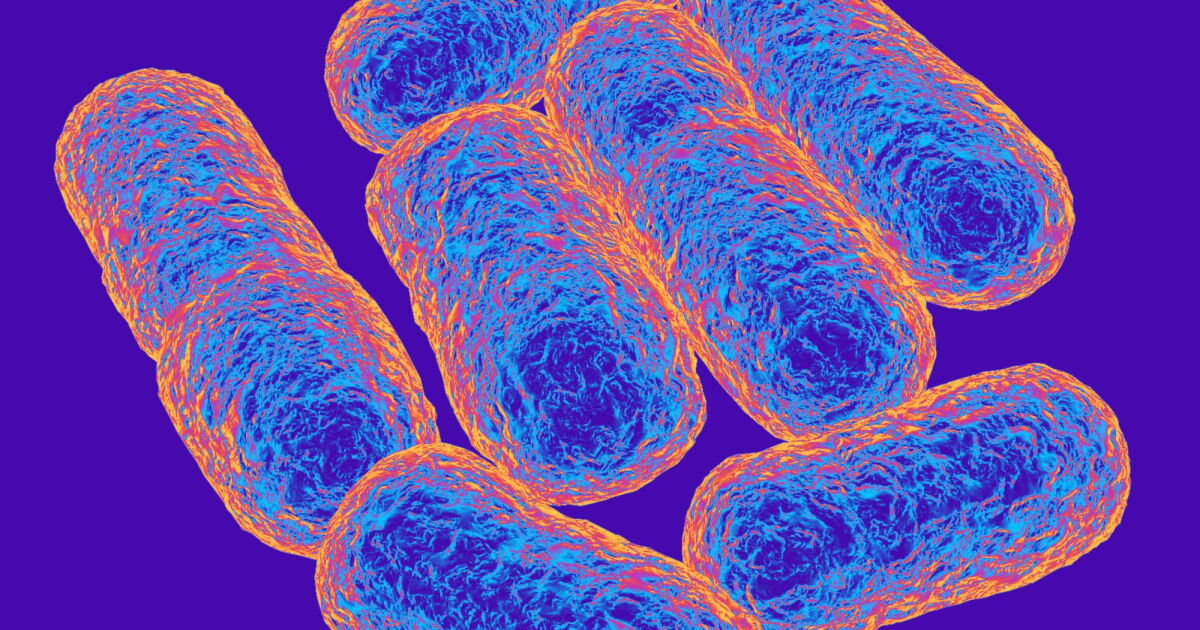
Researchers at East China Normal University in Shanghai have engineered a strain of Escherichia coli to detect elevated glucose and respond by producing glucagon-like peptide 1 (GLP-1), the hormone targeted by widely used diabetes and weight-loss drugs.
The modified bacteria, termed a glucose-sensing and functional response probiotic (GIFT), carry a glucose-responsive regulator gene that triggers GLP-1 expression only when sugar levels rise above a threshold.
In pre-clinical studies, the oral formulation was tested in mice and diabetic macaques, where it activated as intended and showed no signs of harmful effects, according to the study published in Nature.
Current GLP-1 agonist injections deliver a fixed dose regardless of the body's minute-by-minute insulin needs, which can lead to side effects from prolonged exposure to high drug levels.
Because the bacteria reside in the gut and release hormone only in response to real-time glucose readings, the approach aims to match therapy to physiological demand without the rejection risks associated with transplanted cells.
The platform is designed to be modular, so the same glucose-sensing circuitry could in principle be linked to other therapeutic payloads beyond GLP-1.
Human trials have not yet begun, and further testing is required to determine whether the probiotic can match or improve on the efficacy of existing approved treatments.
A ‘living GLP-1 drug’ could revolutionize diabetes treatment
This is an independent summary. The complete reporting, supporting context and any primary documents remain with New Atlas.