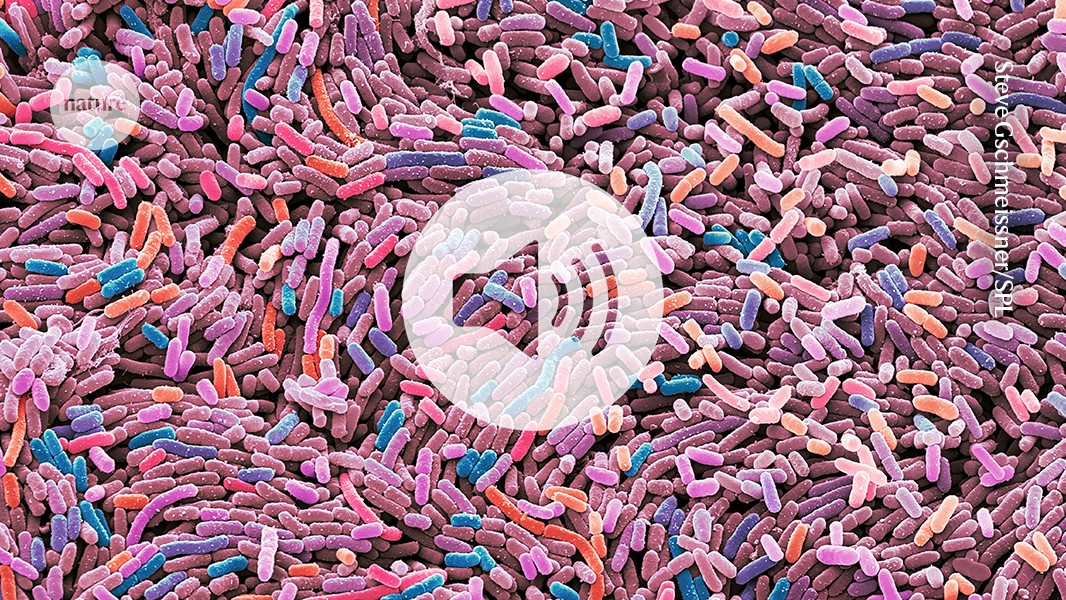
Scientists have genetically modified a strain of probiotic bacteria to detect elevated glucose levels and respond by secreting a protein that helps regulate blood sugar. The research, published in Nature, describes how the engineered microbes were tested in mouse models of diabetes and in monkeys, where they lowered hyperglycemia without causing hypoglycemia.
The team used a bacterium already considered safe for human consumption and inserted a synthetic genetic circuit that activates only when glucose concentrations rise above a certain threshold. Once activated, the circuit drives production of a glucagon-like peptide-1 (GLP-1) analogue, a hormone analogue that stimulates insulin release and suppresses glucagon.
In diabetic mice, oral administration of the modified bacteria led to significant reductions in fasting blood glucose and improved glucose tolerance compared with control animals receiving unmodified bacteria or no treatment. The effect was glucose-dependent, meaning the bacteria released the therapeutic protein only when needed, reducing the risk of dangerous blood-sugar drops.
To assess safety and efficacy in a physiology closer to humans, the researchers also conducted a pilot study in monkeys with diet-induced metabolic dysfunction. The treated monkeys showed improved glycaemic control over the study period, and the engineered bacteria persisted in the gut for weeks without spreading to other organs or causing adverse inflammation.
The genetic circuit includes safeguards designed to limit horizontal gene transfer and to ensure the bacteria cannot survive indefinitely outside the host. Researchers emphasized that the system remains in early preclinical stages and that long-term stability, immune responses, and manufacturing consistency require further investigation before human trials could begin.
Current diabetes treatments often require frequent injections or strict dosing schedules that do not adapt to real-time metabolic changes. A living therapeutic that self-regulates based on the body's glucose levels could offer a more physiological and convenient alternative if safety and efficacy are confirmed in humans.
The study represents a convergence of synthetic biology and microbiome engineering, demonstrating that complex sensing and therapeutic functions can be programmed into commensal microbes. Independent experts noted that regulatory pathways for such living medicines are still evolving and will require robust containment and monitoring strategies.
Future work will focus on optimizing the bacterial strain for human colonization, refining the glucose-sensing threshold, and conducting toxicology studies required by regulatory agencies. The researchers have filed patents related to the genetic circuit and its therapeutic applications.
The probiotic bacteria engineered to treat diabetes
This is an independent summary. The complete reporting, supporting context and any primary documents remain with Nature.