An experimental combination vaccine for tetanus and diphtheria remained effective after being stored at temperatures up to 30 degrees Celsius for one year, according to results from a phase 1 clinical trial published August 5 in Lancet Discovery Science. The vaccine, designated SPVX02, is a reformulated version of an existing WHO-approved tetanus-diphtheria vaccine called TetaDif.
Researchers from the UK's National Institute for Health and Care Research collaborated with London-based Stablepharma, which developed a stabilization technology called StablevaX. The process adds inert pharmaceutical ingredients, including the sugar trehalose, to vaccine components before freeze-drying. Trehalose, used by desert plants to survive drought, forms a protective layer that immobilizes vaccine components and maintains stability at elevated temperatures.
In the trial, 60 participants aged 18 to 55 in the United Kingdom who had not received a tetanus or diphtheria vaccine in at least 10 years received a single injection of either SPVX02, the original TetaDif vaccine, or another combination vaccine called diTeBooster. The SPVX02 doses had been stored at up to 30°C for a year before administration.
No serious side effects were reported among SPVX02 recipients. At 28-day follow-up, all participants who received SPVX02 showed immunity against tetanus and diphtheria toxins that matched the immune responses of those who received the standard refrigerated vaccines.
Separate animal studies indicated the vaccine maintained potency at 30°C with 75 percent humidity for two years, and at 40°C with 75 percent humidity for six months. Stablepharma's chief operating officer, Karen O'Hanlon, said the company can confidently extend the shelf life of fridge-free vaccines to at least four years using this technology.
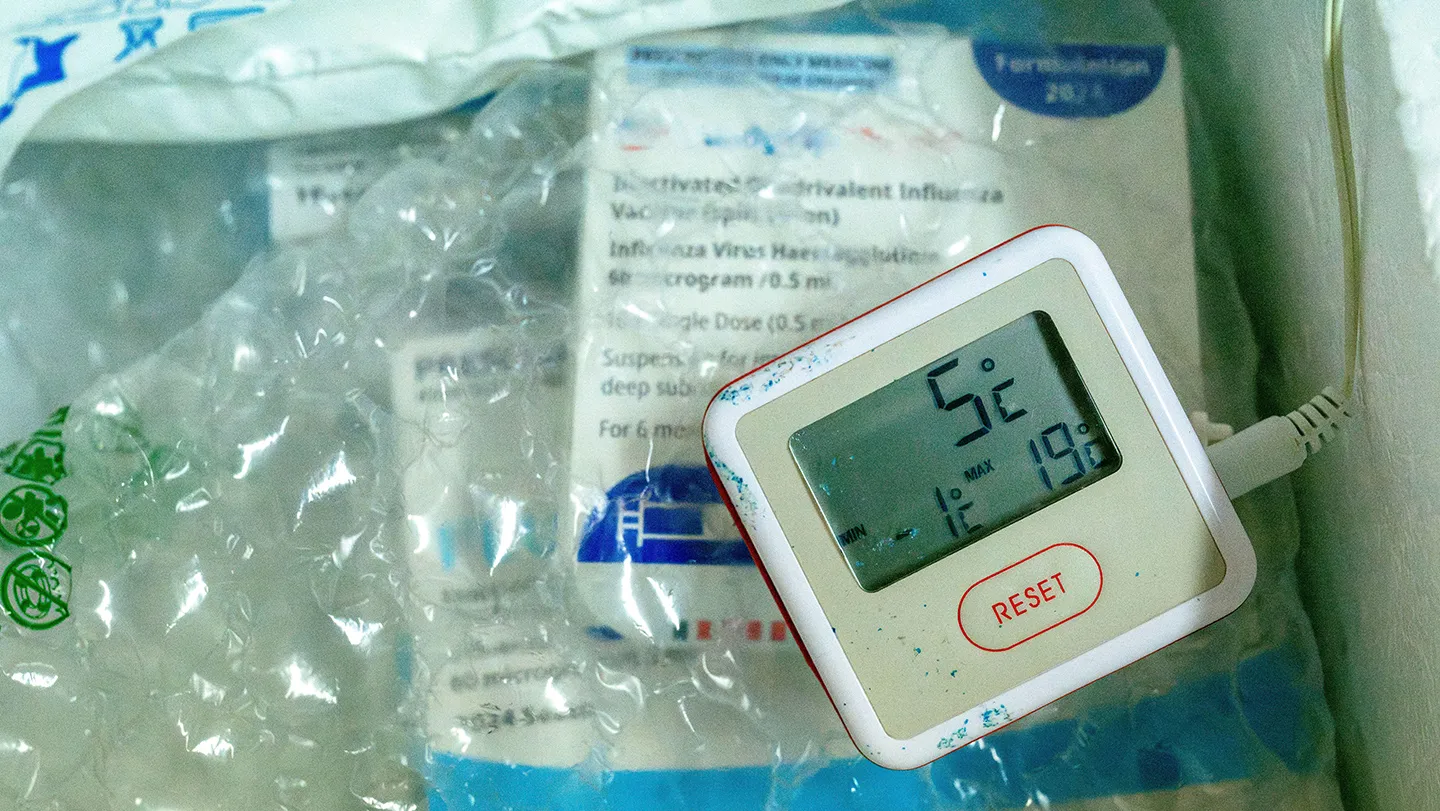
The approach addresses a major logistical barrier: most vaccines require strict cold-chain storage between 2°C and 8°C from manufacture to administration. An estimated 2.7 billion people lack reliable access to vaccines, partly due to cold-storage equipment failures and power outages. Approximately 50 percent of vaccines produced globally each year are wasted, largely because of temperature fluctuations during storage.
The technology cannot currently be applied to mRNA vaccines, which require storage at temperatures as low as -90°C. O'Hanlon noted that lipid nanoparticles in mRNA vaccines make the freeze-drying step difficult. An upcoming trial will further compare SPVX02's safety and efficacy against TetaDif in 160 people.
Chemical engineer Jennifer Pancorbo of North Carolina State University said the results represent a possible solution to limitations of conventional freeze-drying and noted the vaccine produced immune responses equal to or better than standard vaccines.
No refrigerator, no problem. This experimental vaccine doesn’t need it.
This is an independent summary. The complete reporting, supporting context and any primary documents remain with Science News.