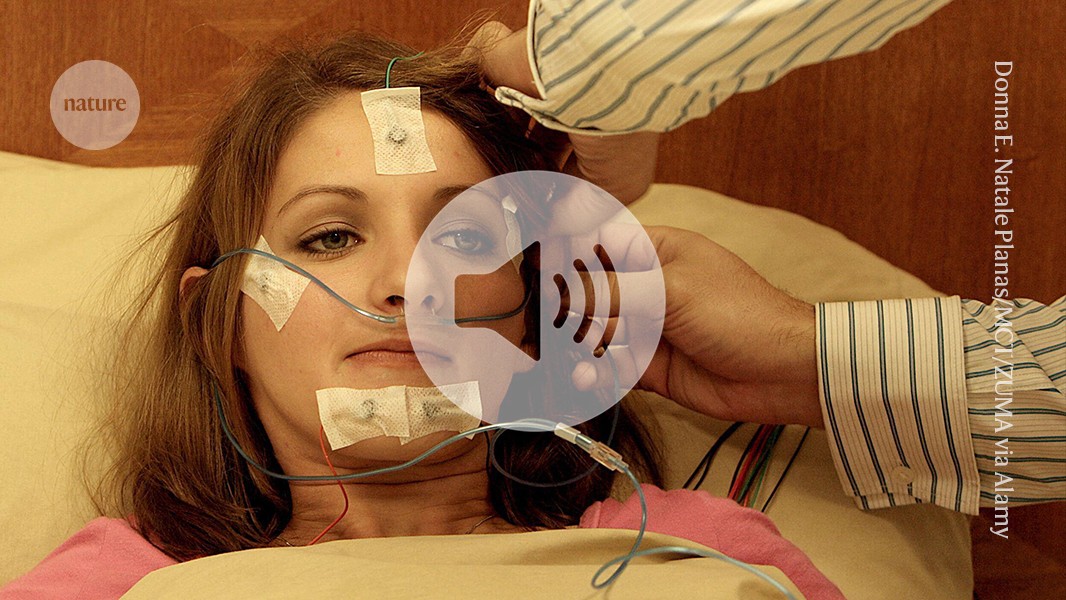
The U.S. Food and Drug Administration has approved a novel narcolepsy drug that acts on the orexin receptor system, marking the first therapy of its kind for the sleep disorder. Nature staff report that the drug's mechanism — restoring signaling through orexin receptors — could open pathways for treating other neurological conditions where orexin pathways are implicated.
Narcolepsy type 1 is caused by the loss of orexin-producing neurons, leading to excessive daytime sleepiness and cataplexy. The newly approved compound is an orexin receptor agonist designed to replace the missing signal, rather than merely managing symptoms with stimulants.
Researchers suggest the same receptor-targeting strategy might be adapted for disorders such as depression, addiction, or neurodegenerative diseases where orexin signaling plays a role. The approval therefore represents a proof of concept for a new class of brain therapeutics.
In a separate development, scientists have grown human brain organoids that survive and develop for more than five years in culture, surpassing previous longevity records. These three-dimensional structures, derived from stem cells, mimic aspects of early brain development and cellular diversity.
Extended survival allows organoids to mature further, forming more complex neural networks and later-stage cell types that are absent in shorter-lived models. This timescale brings laboratory models closer to the developmental timeline of the human fetal brain.
Longer-lived organoids could improve studies of late-onset neurological diseases, drug screening, and developmental processes that unfold over years rather than weeks. However, researchers caution that organoids still lack vascularization, immune cells, and the full architecture of an intact brain.
Both advances were highlighted in the Nature Podcast Briefing Chat on 21 August 2026, drawing from recent Nature articles on the narcolepsy drug approval and the organoid longevity study.
Briefing Chat: New narcolepsy drug could unlock host of novel brain therapies
This is an independent summary. The complete reporting, supporting context and any primary documents remain with Nature.