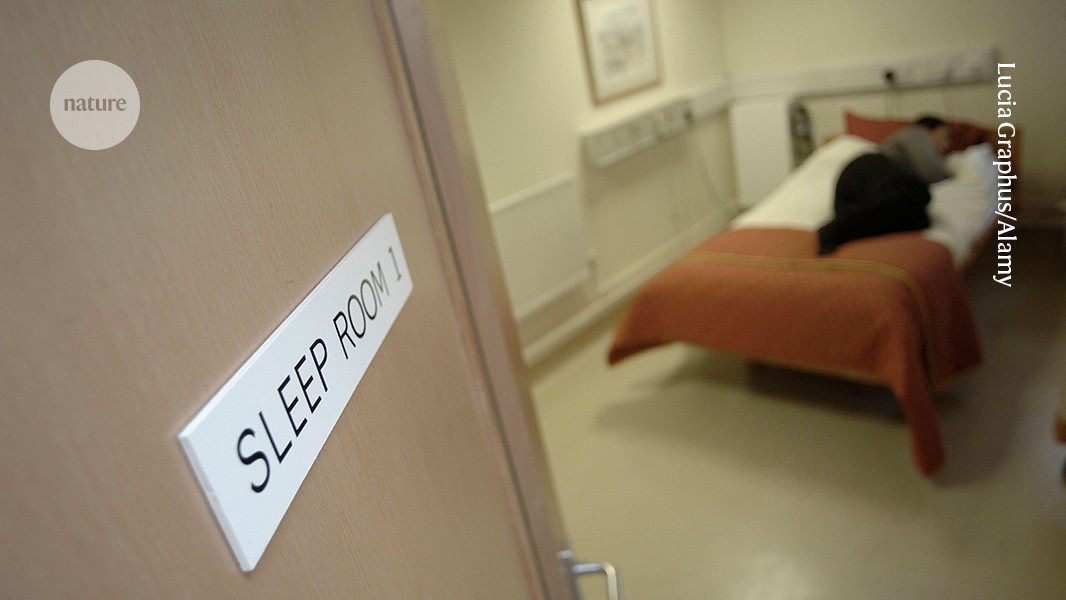
The U.S. Food and Drug Administration has approved oveporexton, marketed as Orzeyful, the first medication designed to address the underlying biological cause of narcolepsy rather than only its symptoms. The drug mimics orexin, a neuropeptide produced by roughly 70,000 neurons in the hypothalamus that regulates the sleep–wake cycle. In type 1 narcolepsy, those neurons die off, leaving the brain unable to stabilize wakefulness and sleep.
Takeda Pharmaceuticals identified the candidate compound in 2011 and spent years developing it into an oral pill. Two phase III trials enrolled 273 people with type 1 narcolepsy, comparing twice-daily oveporexton with placebo. Participants who received the drug showed improved ability to stay awake during the day and to fall and remain asleep at night, along with reductions in cataplexy, sleep paralysis, and hallucinations.
Tyler Chapman, a 19-year-old university student who took part in a trial, said he previously slept up to 16 hours a day and experienced cataplexy triggered by laughter. After treatment, he reports staying alert all day and sleeping restfully at night, describing the change as life‑changing. Sleep specialist Emmanuel Mignot, who led the late‑stage trials, said patients become "more or less like normal people" and suddenly know what it is to be fully awake.
Narcolepsy affects an estimated 3 million people worldwide. Type 1, marked by cataplexy, is linked to orexin deficiency; the cause of type 2 remains under investigation. Existing treatments have largely relied on stimulants and other symptom‑management drugs, which can carry significant side effects.
Researchers view the approval as a proof of concept for orexin agonists, a new class of therapies that target the disease mechanism directly. Several pharmaceutical companies are now developing similar compounds, with the narcolepsy market projected to exceed US$6.4 billion annually by the early 2030s. Scientists also speculate the approach could have implications for other neuropsychiatric disorders, though that remains to be studied.
The approval represents a milestone for patients and for a research effort that began with the discovery of orexin's role in the late 1990s. Long‑term safety and efficacy data will continue to be collected as the drug enters wider use.
First-of-its-kind narcolepsy drug opens door to new therapies for the brain
This is an independent summary. The complete reporting, supporting context and any primary documents remain with Nature.