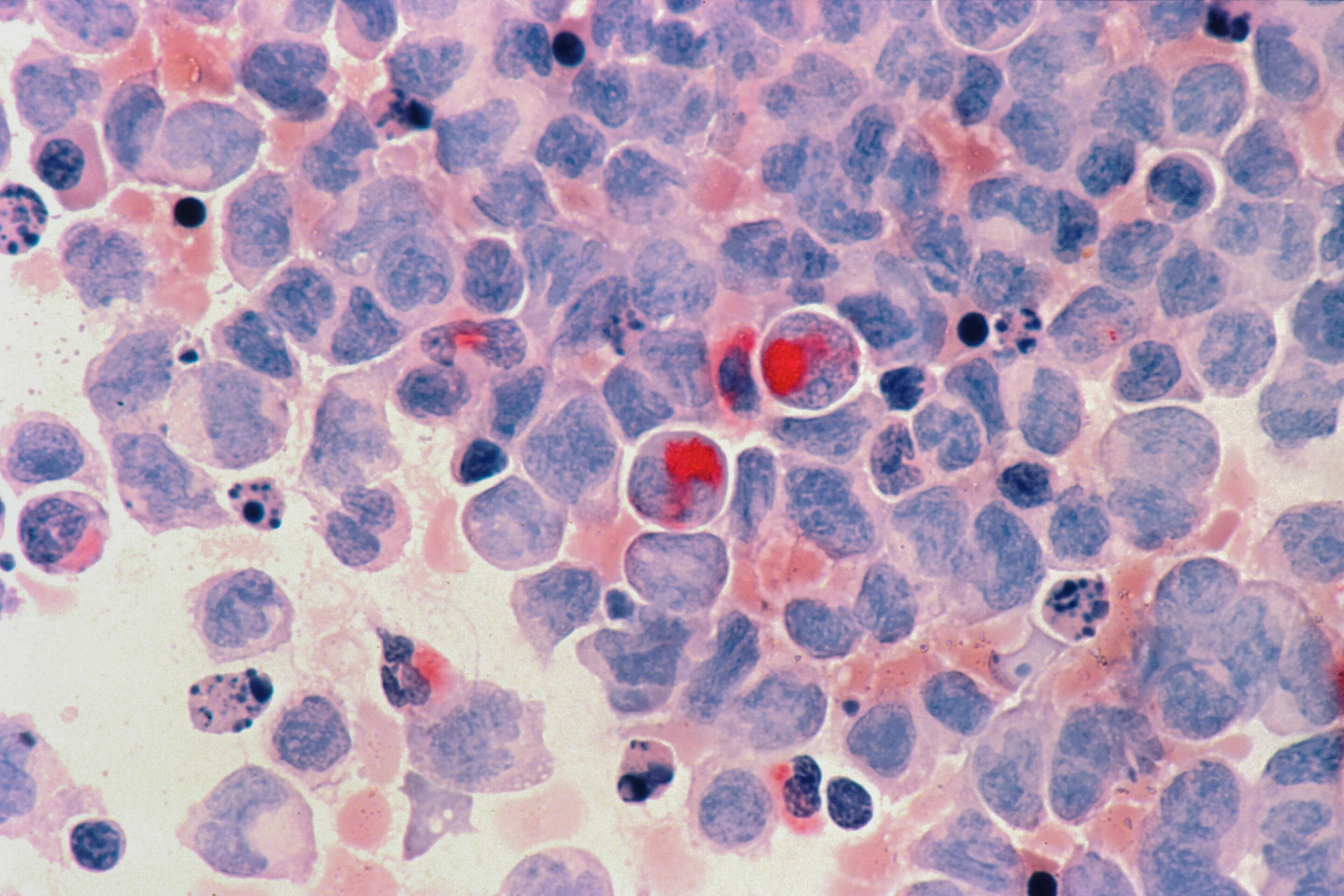
A study published in Nature Cell Biology reports that FLT3 inhibitors, a standard treatment for acute myeloid leukemia (AML) with FLT3 mutations, kill cancer cells not only by inducing apoptosis but also by triggering ferroptosis. Researchers at Baylor College of Medicine and collaborating institutions made the discovery using mouse models, cell lines, and patient-derived AML samples grown in animal models.
FLT3 mutations are among the most common genetic drivers of AML. While FLT3 inhibitors such as gilteritinib initially stop leukemia cells from dividing and induce apoptosis, resistance and relapse remain common clinical problems. The research team, led by Dr. Daisuke Nakada, investigated whether the drugs might activate an additional cell-death pathway that could be exploited therapeutically.
The experiments showed that FLT3 inhibitors suppress the production of selenoproteins, including glutathione peroxidase 4 (GPX4), an enzyme that normally protects cells from lipid peroxidation. Without sufficient GPX4, oxygen-driven damage to cellular lipids accumulates, leading to ferroptosis — an iron-dependent form of regulated cell death distinct from apoptosis.
The study also found that mutant FLT3 proteins actively promote GPX4 activity, thereby shielding leukemia cells from ferroptosis. Inhibiting FLT3 removes this protection, exposing a previously unrecognized vulnerability in the cancer cells.
Analysis of AML patient samples revealed that leukemia cells resistant to gilteritinib often overexpress genes involved in selenoprotein synthesis, suggesting that boosting this pathway is one mechanism of treatment escape. In addition, the researchers observed that dietary vitamin E, an antioxidant that inhibits ferroptosis, markedly reduced the efficacy of gilteritinib in their models.
The findings identify ferroptosis as a targetable weakness in FLT3-mutant AML and raise the possibility that high vitamin E intake could interfere with FLT3 inhibitor therapy. The authors caution that the work is preclinical and that clinical studies are needed to confirm the dietary interaction and to explore strategies that enhance ferroptosis to overcome resistance.
FLT3 inhibitors trigger ferroptosis, exposing new weakness in acute myeloid leukemia
This is an independent summary. The complete reporting, supporting context and any primary documents remain with Medical Xpress.