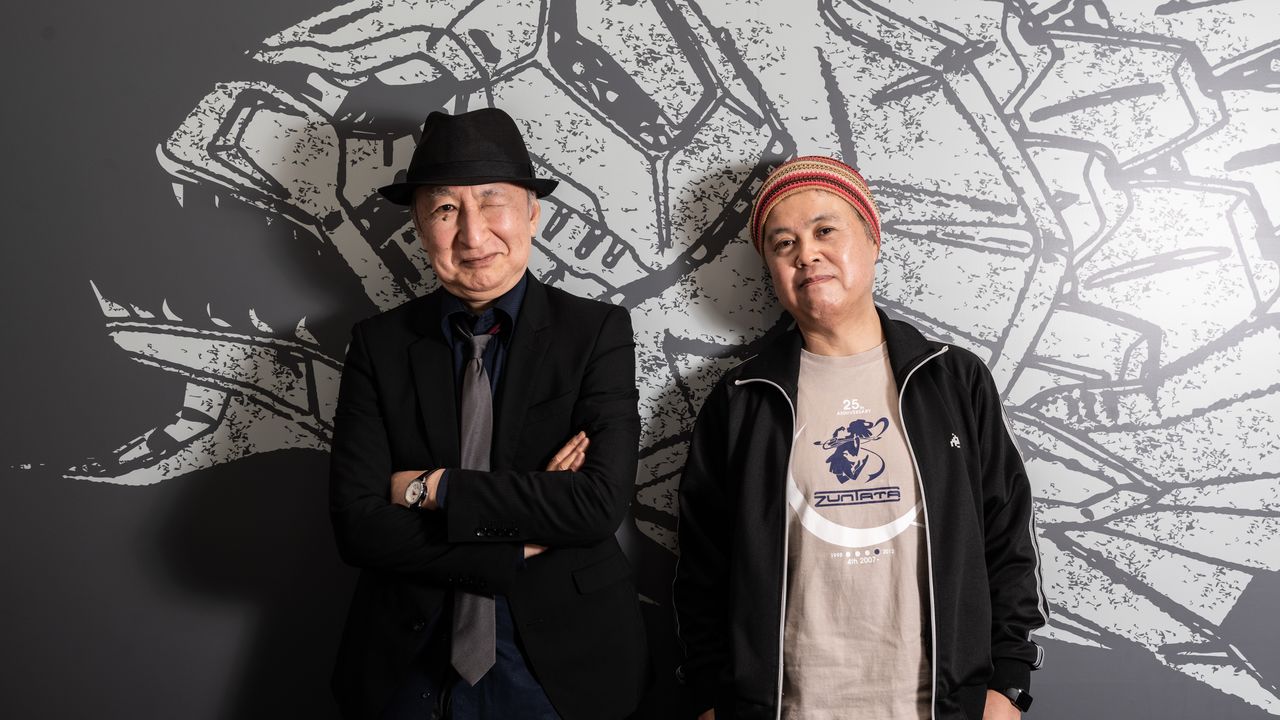
Taitō Corporation's sound development division, known as Zuntata since 1987, has produced music for arcade and console games for nearly four decades. In an interview at the company's Tokyo headquarters, founding member Ogura Hisayoshi and current leader Ishikawa Katsuhisa traced the team's history from its early days of severe technical constraints to its later live performances.
Ogura joined Taitō in 1983 after a brief stint in publishing, initially hired for a sales role before an interviewer noticed his interest in audio. He composed for early hits including The Legend of Kage (1985), the Darius series (from 1986), and Arkanoid II (1987). Ishikawa, a decade younger, joined in 1990 after studying audio engineering; he debuted as a sound effects designer on Metal Black (1991) and now serves as Zuntata's fifth leader.
The name Zuntata originated when a record label producer suggested a group identity for the Darius soundtrack vinyl release. Ogura coined the term, inspired by a rhythmic Japanese onomatopoeia, and used stickers and branding to raise the department's internal profile. Ishikawa, then a high school student, recalled the name making game music feel stylish and legitimate rather than mere background noise.
Early composition workflows were grueling. Ogura described roughly two weeks to write a score and another one to two weeks to manually convert keyboard performances into hexadecimal data for each title. Memory limitations on hardware like the Super Famicom forced creative workarounds; a programming error once accidentally produced a delay-echo effect that became a breakthrough.
Ogura's compositional method was unconventional: he did not play games but built concepts through extensive reading, citing Carl Jung's work as influence for the Darius Gaiden track 'Visionnerz.' For Darius II, he sampled his infant daughter saying 'Papa' to represent the phrase 'children of light' from the Bible, weaving human warmth into the game's mechanical soundscape.
Ishikawa emphasized that Zuntata is not a band but a sound development team; stage performances, which began with the 1990 Game Music Festival, are one avenue to introduce audiences to video game music. The pair noted that while members have changed over the years, the team's identity rests on the clash of individual creative visions within technical constraints.
Both creators highlighted how limitations shaped their art. Ogura's early assembly-line pace and Ishikawa's later sound-direction roles reflect an evolving industry, yet the core drive remains crafting music that forges emotional connections between player and game. Zuntata continues to produce new work, including recent titles in the Darius and Densha de Go! series.
Four Decades of Video Game Music: The Lasting Impact of Taitō’s Zuntata Team
This is an independent summary. The complete reporting, supporting context and any primary documents remain with Nippon.com.