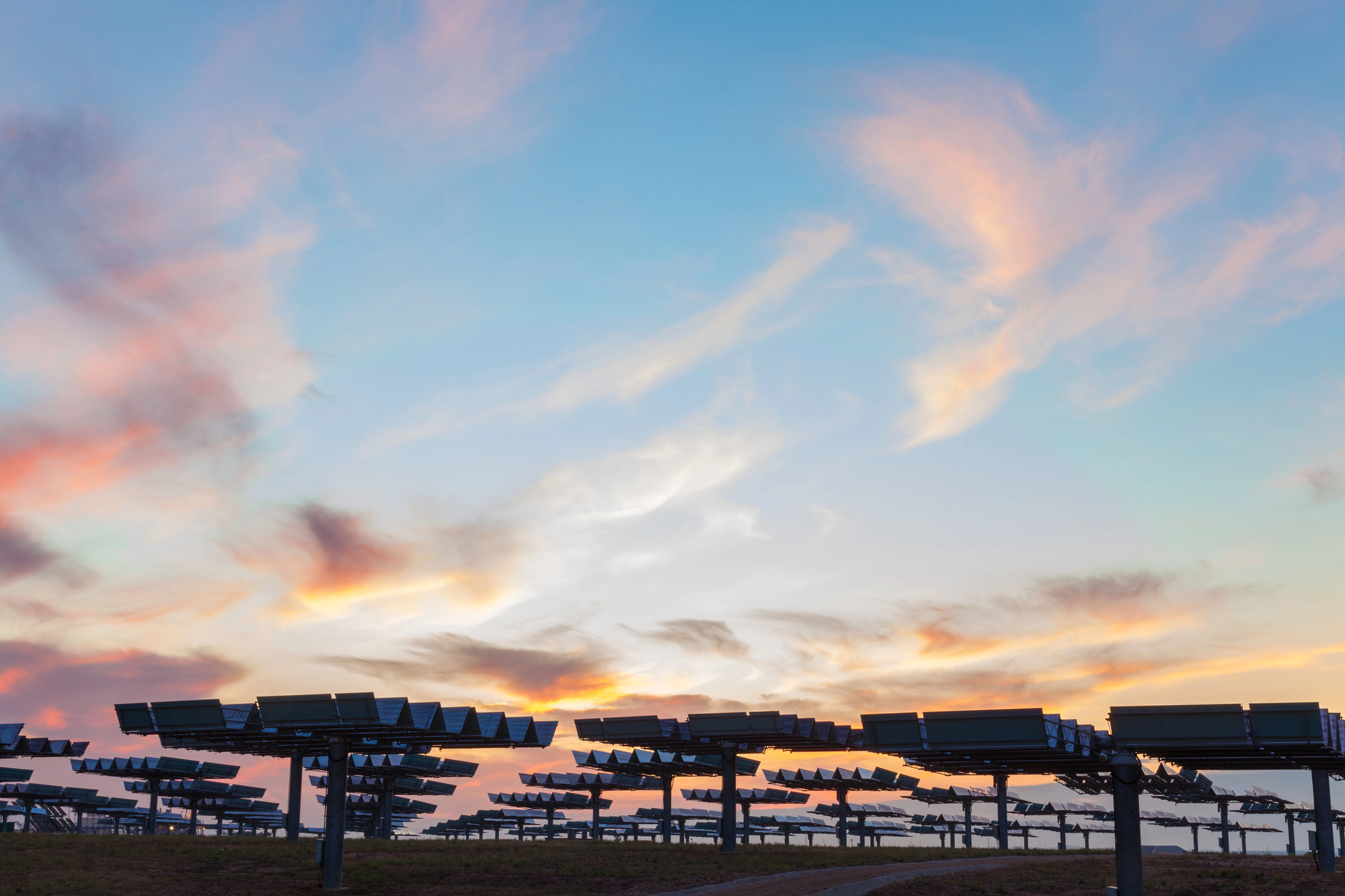
Global installed solar capacity surpassed 3 terawatts in early 2026, according to industry tracking cited by The Optimist Daily. The first terawatt took nearly 68 years to achieve, the second required roughly two years, and the third was added in 19 months.
In 2025 alone, the world installed 664 gigawatts of new solar capacity, a record annual addition that drove the rapid crossing of the 3-terawatt threshold.
The acceleration reflects continued declines in module costs, improvements in manufacturing scale, and broader deployment across utility-scale, commercial, and residential segments.
China remained the largest single market, accounting for a majority of new installations in 2025, while growth rates also increased in the United States, India, Brazil, and several European countries.
Analysts note that the pace of deployment has consistently exceeded most long-term forecasts from major energy agencies, which have repeatedly revised their projections upward.
Grid integration, storage availability, and permitting timelines remain practical constraints in many regions, even as module supply is no longer a primary bottleneck.
The 3-terawatt milestone represents enough installed capacity to generate roughly 4,500 terawatt-hours per year under average global irradiance conditions, equivalent to about 15% of current global electricity demand.
Researchers caution that capacity figures measure peak output under standard test conditions and that actual generation varies with weather, time of day, and system losses.
The world hit 3 terawatts of solar power faster than anyone predicted
This is an independent summary. The complete reporting, supporting context and any primary documents remain with The Optimist Daily.