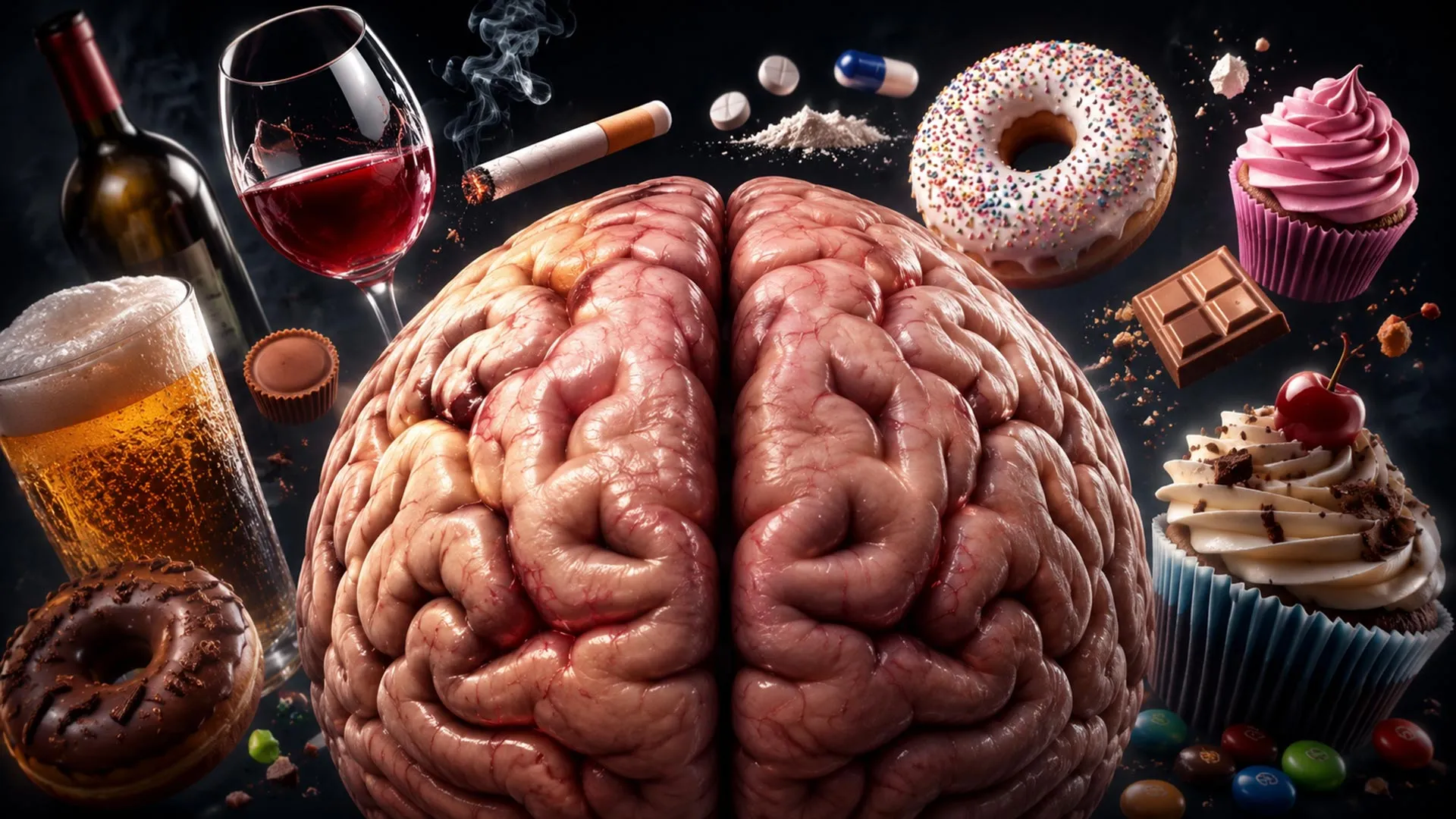
GLP-1 agonist drugs such as Ozempic and Wegovy, originally developed for type 2 diabetes and obesity, have been observed in human studies to reduce alcohol consumption. Preclinical research also indicates they curb use of cocaine, amphetamines, opiates, and nicotine. These effects have prompted scientists to look beyond the brain's classic dopamine reward circuitry, which lacks dense GLP-1 receptors, for a direct mechanism.
Attention has turned to the lateral septum, a brain region historically tied to emotional regulation and aggression control. Modern connectivity mapping shows the lateral septum sits at the center of a network linking the hippocampus, which encodes episodic memory and spatial context, with dopamine-producing areas such as the ventral tegmental area and nucleus accumbens.
The lateral septum receives "where and when" information from hippocampal place cells and adds reward valuation, effectively signaling "what is good in this place." It then relays this integrated signal to the dopamine system, positioning it as a bridge between conscious thought about a reward and the compulsive drive to obtain it.
Crucially, the lateral septum contains a high density of GLP-1 receptors. Recent mouse studies demonstrate that direct GLP-1 activation in this region reduces both food and alcohol consumption. Additional findings from the author's laboratory indicate GLP-1 drugs dampen a specific pattern of lateral septum activity that may weaken its communication with downstream reward regions.
These converging lines of evidence suggest the lateral septum functions as a craving control point. By modulating this hub, GLP-1 agonists may disconnect the mental representation of a reward from the urge to pursue it, a mechanism distinct from simple appetite suppression.
The research reframes addiction and overeating as disorders of memory-reward integration rather than solely dopamine dysregulation. If confirmed in humans, the lateral septum could become a precise target for treating substance use disorders and obesity without broadly disrupting other brain functions.
Scientists caution that current evidence relies heavily on animal models and that the translation to human therapies remains under investigation. The exact neural circuits and receptor subtypes involved are still being mapped.
The findings illustrate how a clinical side effect of a widely used drug class has opened a new window into fundamental neuroscience, linking metabolic signaling to the cognitive architecture of craving.
Ozempic may have revealed the brain’s hidden “craving center”
This is an independent summary. The complete reporting, supporting context and any primary documents remain with ScienceDaily.