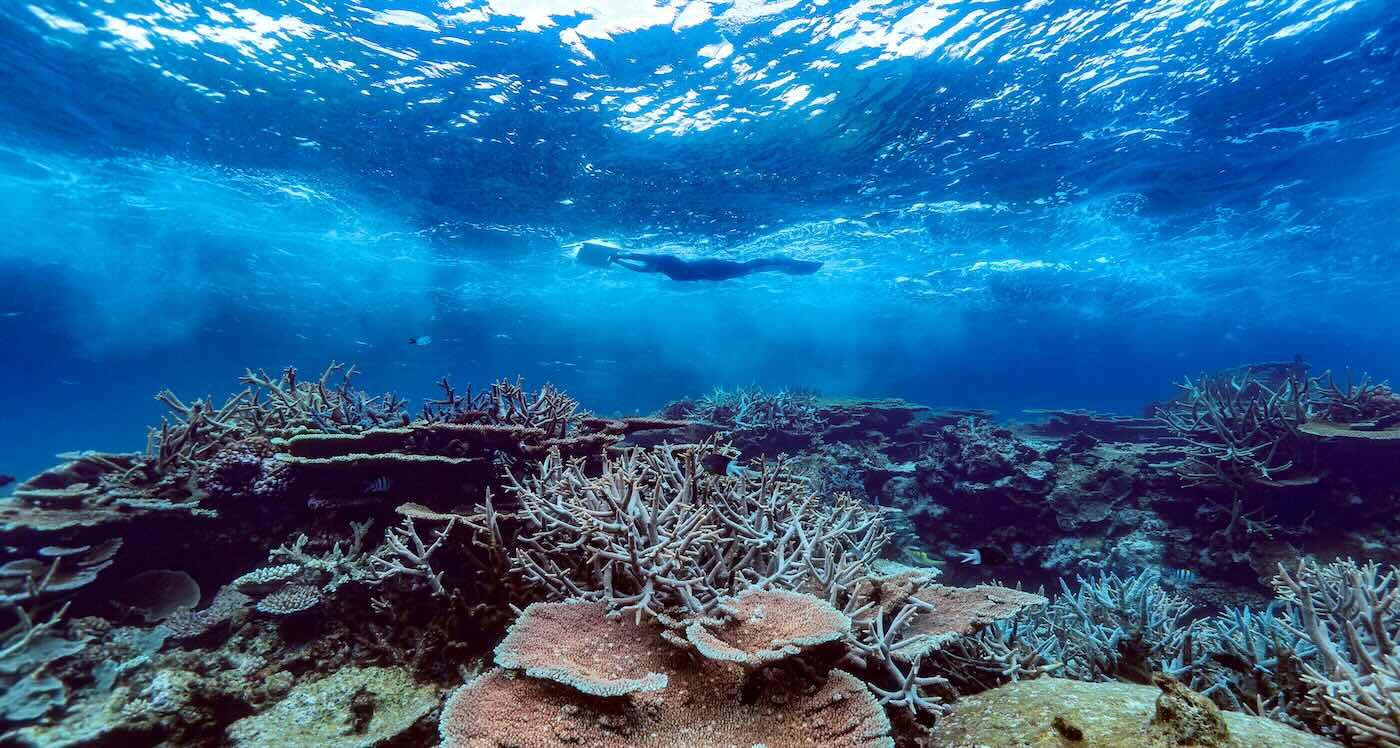
The Great Barrier Reef experienced six mass bleaching events between 2016 and 2025 as ocean temperatures rose, a frequency that was exceptionally rare before the 1990s.
Earlier this year, a monsoon season brought increased cloud cover and reduced sea surface temperatures along the 1,400-mile reef system, limiting the severity and extent of bleaching during the summer months.
The Australian Institute of Marine Science (AIMS) reported these findings in its 40th annual Long-Term Monitoring Program survey, which covered 121 reefs.
Coral cover increased by 16.7% in the Northern region and 10.2% in the Central region compared to the previous year, while the Southern region saw a 2% decline.
Despite the decline in the south, coral cover in all three regions remains at or just below the long-term average, and 106 of the 121 surveyed reefs showed moderate to high coral cover.
AIMS program leader Dr. Mike Emslie described the results as evidence of "initial recovery" but emphasized that the reef remains a system under pressure with a limited capacity to recover from repeated heat stress.
Dr. Emslie noted that bleaching events vary in intensity and duration and do not always cause coral mortality, though the reef continues to be pushed by climate-driven warming.
The report concludes that reducing global emissions, maintaining good reef management, and developing science-based interventions are necessary to support the reef's long-term adaptation and survival.
Great Barrier Reef’s Recovery From Bleaching is Aided by Monsoon
This is an independent summary. The complete reporting, supporting context and any primary documents remain with Good News Network.