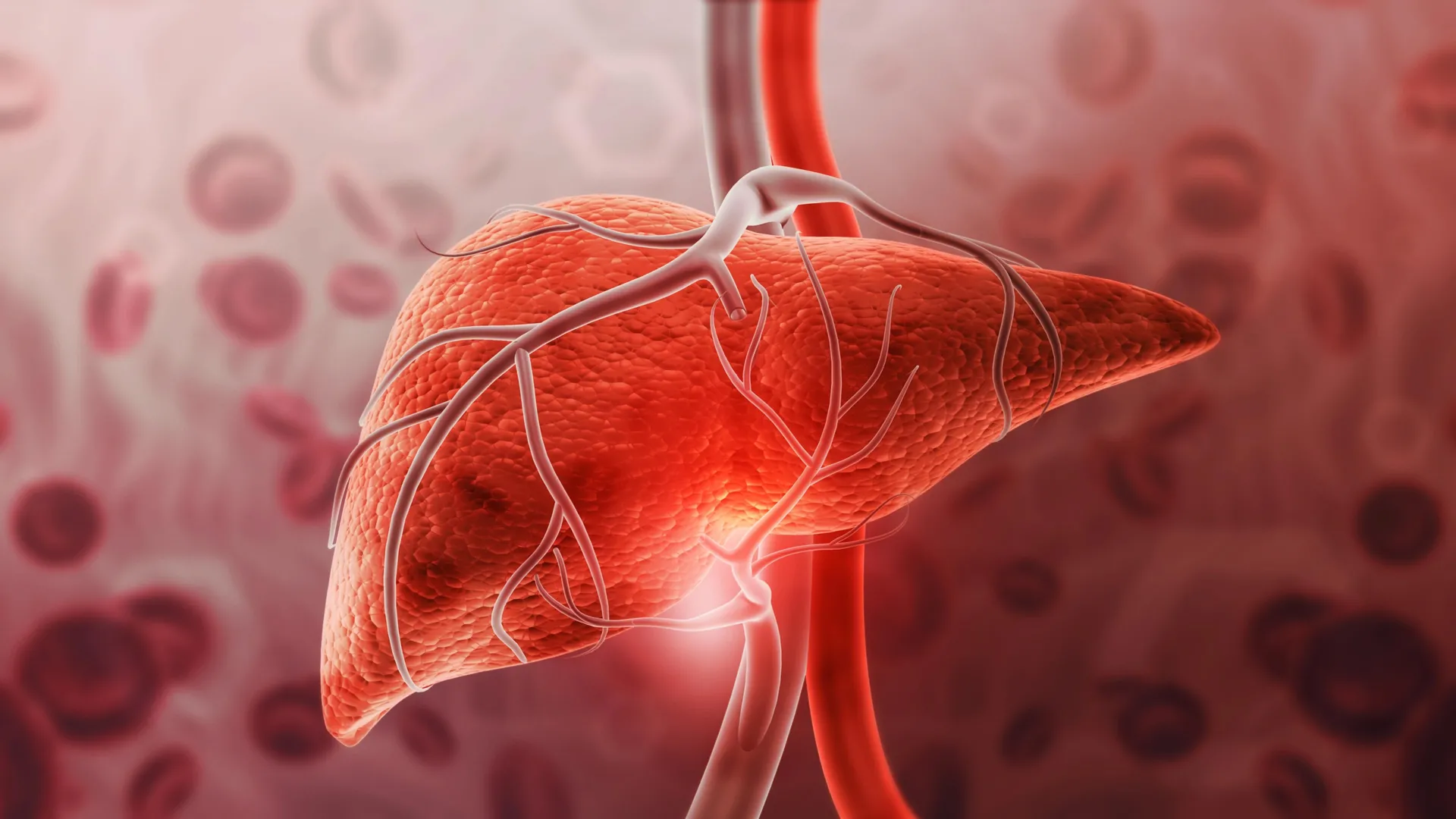
Researchers at McMaster University have identified a previously unknown mechanism by which the hormone GDF15 protects the liver from inflammation and scarring. Published in Cell Metabolism on August 10, 2026, the study shows that GDF15 activates a brain-to-liver signaling pathway that leads to the release of glucocorticoids, which suppress immune activity in the liver.
The experiments used mouse models of metabolic dysfunction-associated steatohepatitis (MASH), an advanced form of fatty liver disease that can progress to cirrhosis and liver failure. The protective effects on liver inflammation and fibrosis occurred regardless of changes in food intake, body weight, or liver fat content.
GDF15 was already known to reduce appetite and support weight loss, and a 2023 study by the same team showed it helps maintain calorie burning during weight loss. The new findings reveal a distinct anti-inflammatory function that operates independently of those metabolic effects.
Senior author Gregory Steinberg, professor in the Department of Medicine and co-director of the Centre for Metabolism, Obesity and Diabetes Research, said the hormone appears to be part of the body's own defense system against chronic liver injury. First and corresponding author Dongdong Wang, assistant professor in the Department of Medicine, noted that GDF15 shifts liver immune cells into a more protective, less active state.
The research combined genetic, pharmacological, genomic, and spatial transcriptomics techniques to trace the signaling pathway from the brain through the nervous system to glucocorticoid release. Collaborators from Novo Nordisk A/S supplied the GDF15 hormone used in the study.
Current treatments for MASH largely focus on reducing body weight and liver fat, but inflammation often persists even after substantial weight loss. The researchers suggest that future therapies could combine weight-loss approaches with strategies that directly target liver inflammation through this newly identified pathway.
The study was funded by the Natural Sciences and Engineering Research Council of Canada, the Canadian Institutes of Health Research, and Diabetes Canada. Steinberg is also chief scientific officer, shareholder, and co-founder of Espervita Therapeutics, which is developing a drug candidate for advanced liver disease.
This weight-loss hormone may protect the liver even without weight loss
This is an independent summary. The complete reporting, supporting context and any primary documents remain with ScienceDaily.