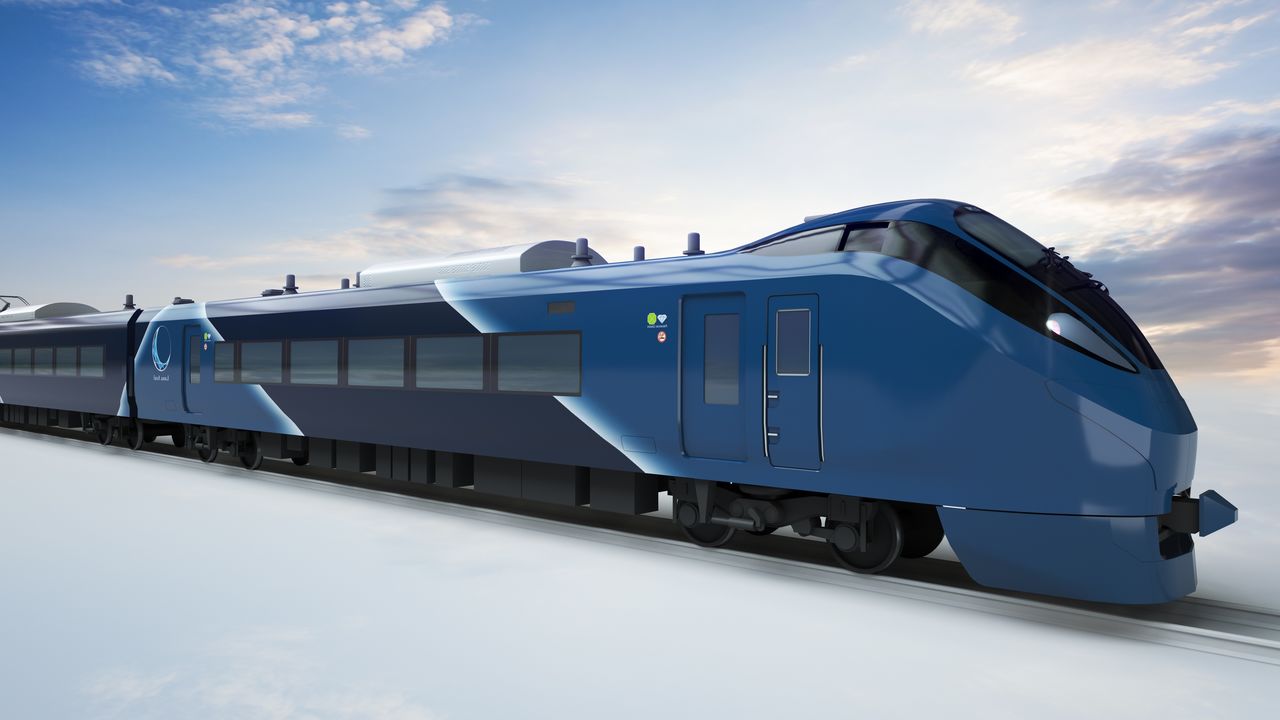
Japanese rail operators are reviving affordable overnight train travel more than a decade after the last regular sleeper service, the Hokutosei, was retired in 2015. Currently, only the Sunrise Seto and Sunrise Izumo run as daily limited-express sleepers, while other overnight options are either irregular or luxury cruise trains costing between 300,000 and 1,000,000 yen per night. Three Japan Railways companies are now introducing services aimed at ordinary travelers.
JR East plans to debut the Luna Azul at the start of fiscal 2027. The train consists of 10 refurbished limited-express cars with Green Car compartments for one to four passengers and a lounge car. From spring through autumn it will run twice weekly between Shinagawa in Tokyo and Aomori via the Sea of Japan coast, a journey of 12.5 to 15 hours. Fares are expected to be slightly above the 24,180 yen one-way Green Car ticket on the Tohoku Shinkansen to Shin-Aomori. In winter the train will operate six daytime round trips weekly between Shinagawa and Naganohara-Kusatsuguchi in Gunma Prefecture.
JR Central will run the Tokaido Lumiere Express as a one-time overnight service on the Tokaido Shinkansen on August 8, departing Tokyo at 10 pm and arriving at Shin-Osaka at 7 am the next morning. A reserved ordinary-class seat costs 15,000 yen, roughly the price of a regular Shinkansen ticket. The train will remain parked at Gifu-Hashima from midnight to 6 am while maintenance work occurs on the line, an operational approach made possible by the late-night inspection schedule. No modifications will be made to the Shinkansen cars themselves.
JR West has already been operating the West Express Ginga, which uses refurbished coaches and does not require a sleeper surcharge. It runs mainly in the Kansai and Chugoku regions, positioning itself between regular sightseeing trains and luxury cruise trains. All three companies say they are using existing rolling stock to keep initial investment low and fares accessible.
The companies cite several motivations. JR East aims to tap latent demand for long-distance train journeys and promote tourism through collaboration with local communities. JR Central notes rising hotel prices and growing demand for overnight travel between Tokyo, Nagoya, and Kansai, and wants to evaluate demand for a service that combines transportation with rest. JR West seeks to create new demand amid population decline and increase visitor numbers across western Japan.
Railway executive Torizuka Akira, who has led successful nighttime services at Isumi Rail, Echigo Tokimeki Railway, and Oigawa Railway using former JNR rolling stock, says the JR companies' strategy of refurbishing existing cars keeps costs down. He also points to European regulations restricting short-haul flights to cut emissions, which have boosted overnight rail there, and suggests Japan may eventually adopt similar policies. Torizuka believes the operators are considering environmental impact and community contributions alongside revenue.
JR East says it will continue examining possibilities for broader operating areas but has no specific expansion plans yet. JR Central will evaluate passenger demand, feedback, and operational challenges from the single Lumiere Express run before deciding on future services. The Japan Rail Pass does not cover the Luna Azul or Lumiere Express; for the Sunrise services and West Express Ginga it covers the base fare but not limited-express or sleeper surcharges, and reservations remain difficult to secure.
Demand for nighttime travel is already substantial, as shown by the popularity of overnight buses and the quick sellouts of Torizuka's smaller-scale services. By refurbishing existing rolling stock, the JR companies can avoid high fares while meeting the needs of passengers seeking affordable and accessible overnight travel. The new services suggest a revival of casual overnight rail is underway, though the extent of future route expansion and frequency increases remains to be seen.
Night Trains Getting Back on Track: Japanese Rail Companies Boosting Overnight Services
This is an independent summary. The complete reporting, supporting context and any primary documents remain with Nippon.com.