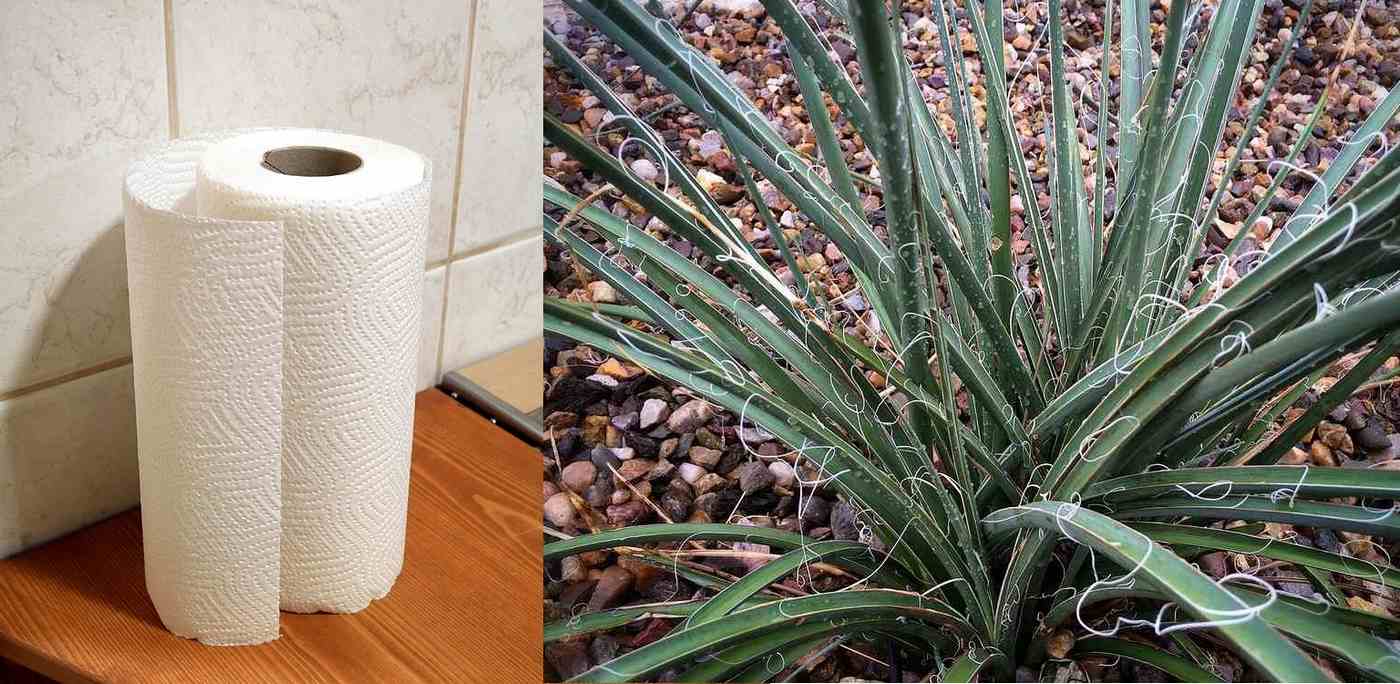
Kimberly-Clark, the manufacturer of brands including Scott, Huggies and Cottonelle, says it has identified a desert succulent called hesperaloe as a viable alternative to wood fiber for its paper products. The company's research and development chief, Craig Slavtcheff, described the finding to the Wall Street Journal as a "Goldilocks discovery" and a "moonshot" after testing roughly 70 different substances, including hemp, bamboo and wheat straw.
Hesperaloe is a long-leaved succulent that grows in arid environments. The specific plants that caught researchers' attention were growing on an abandoned state test-crop facility in Arizona. Strategy executive Jeff Melucci told the Journal that the fiber's properties stood out among all the alternatives the team had evaluated over two decades.
The potential environmental benefits include reduced reliance on logging and deforestation in countries such as Canada and Sweden, which could keep hundreds of thousands of additional tons of carbon dioxide stored in forests each year. Cultivating hesperaloe in dry regions would also require less water than traditional fiber crops and could provide an economic use for land at risk of desertification.
Slavtcheff cautioned that commercial-scale testing is still underway and the company has no estimate yet for the cost of a fully developed crop-to-pulp supply chain. Early tests suggest the process could be competitive with wood-based production, but new feedstocks typically lack the decades of incremental efficiency gains that established wood supply chains possess.
The next step is a pilot facility in Yuma, Arizona, where Kimberly-Clark will evaluate large-scale cultivation and pulping of hesperaloe. The company has invested approximately $250 million and 20 years of field and laboratory work in the search for a tree-free fiber.
If the pilot proves commercially viable, the company hopes to eventually remove logging from its supply chains for tissue, towel and diaper products. The Wall Street Journal reported that Kimberly-Clark has been actively seeking such a replacement for two decades.
No timeline has been given for when hesperaloe-based products might reach store shelves. The outcome depends on the results of the Yuma pilot and the subsequent development of a supply chain that can match the scale and reliability of current wood-fiber operations.
Company Aims for ‘Moonshot’ Replacement for Trees in Paper Products with Humble Desert Plant
This is an independent summary. The complete reporting, supporting context and any primary documents remain with Good News Network.