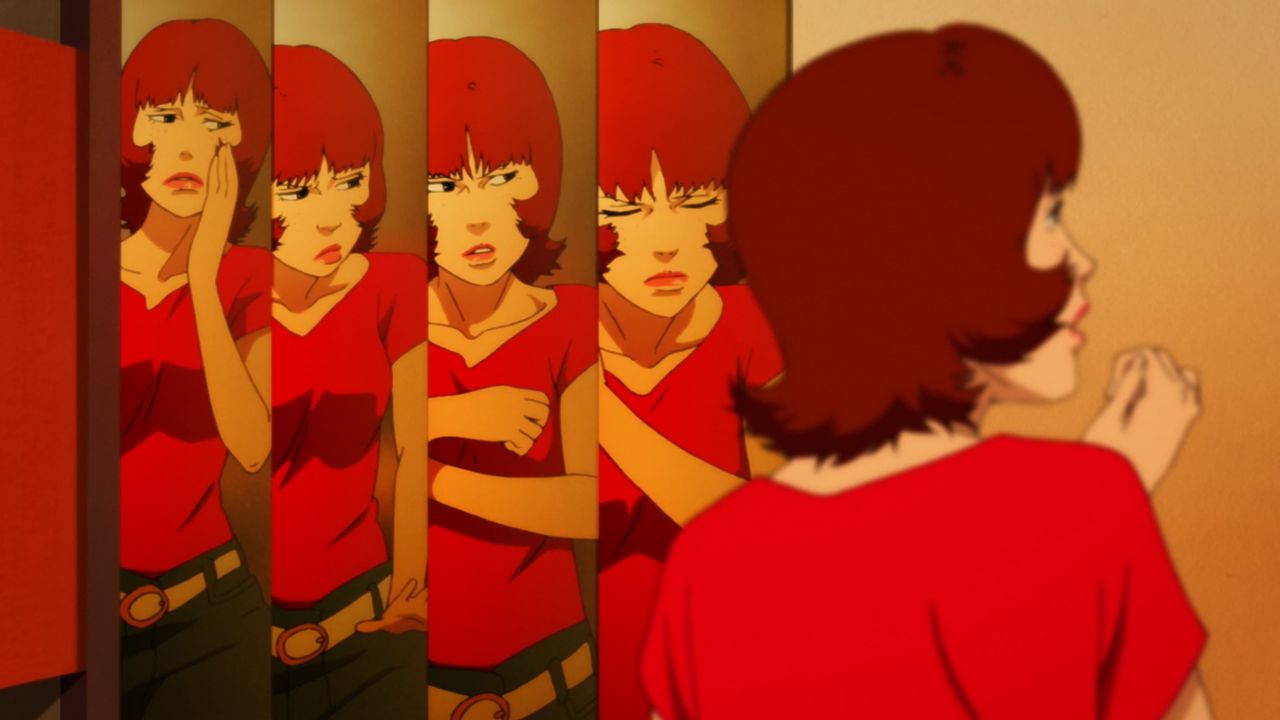
An article published by Nippon.com revisits the 2006 anime film "Paprika," directed by Kon Satoshi, on the 20th anniversary of its release. Kon died in 2010 at age 46, leaving a body of work that continues to influence filmmakers globally. The piece analyzes how Kon adapted Yasutaka Tsutsui's novel, transforming a story about dream-monitoring technology into a visual exploration of Freudian and Jungian psychology.
The film centers on therapist Chiba Atsuko, who enters patients' dreams via her alter ego Paprika using a device called the DC Mini. When the technology is misused, nightmares erupt into reality, depicted through a surreal parade of obsolete appliances, beckoning cats, and religious icons. Kon described this parade as representing Freud's concept of the uncanny—familiar objects made strange through repression—resurfacing from the collective unconscious.
The analysis highlights a key divergence from Tsutsui's novel: Kon's introduction of a divided self. In the film, Chiba and Paprika function as distinct personalities, mirroring the arc of Detective Konakawa, who confronts a dream figure representing his abandoned youthful ambition to be a film director. Both characters achieve resolution by integrating these repressed aspects, a process aligned with Carl Jung's theory of individuation rather than mere Freudian catharsis.
Kon's engagement with Jungian thought is traced to the influence of psychologist Hayao Kawai, whose books were widely read in Japan during the 1980s and 1990s. Kon reportedly studied Kawai to better understand the lyrics of musician Susumu Hirasawa, who later composed soundtracks for Kon's films. The article also notes Kon's admiration for novelist Haruki Murakami, another figure connected to Kawai.
Three recurring motifs define Kon's filmography: the depiction of a fragmented or future self, subtle departures from conventional heterosexual narrative closures, and the erosion of boundaries between reality and media-mediated fantasy. These appear across "Perfect Blue" (1998), "Millennium Actress" (2002), "Tokyo Godfathers" (2003), and the series "Paranoia Agent" (2004).
The article examines "Dreaming Machine," Kon's unfinished final project. Based on surviving materials, it was envisioned as a robot adventure set in a post-human future, marking a visual departure from his previous work. However, the title shares its name with a 1974 manga by Daijiro Morohoshi, one of Kon's acknowledged influences, in which robots live while humans dream in suspended animation. The author speculates Kon may have intended a thematic continuation of his lifelong preoccupation with the blurring of dreams and reality.
Kon's influence is cited in later films including Darren Aronofsky's "Black Swan," Christopher Nolan's "Inception," and Edgar Wright's "Last Night in Soho." While no further films will be completed, the analysis argues that engaging with Kon's unrealized visions helps carry his artistic legacy forward.
Still Dreaming: Kon Satoshi’s “Paprika” and Other Visions
This is an independent summary. The complete reporting, supporting context and any primary documents remain with Nippon.com.