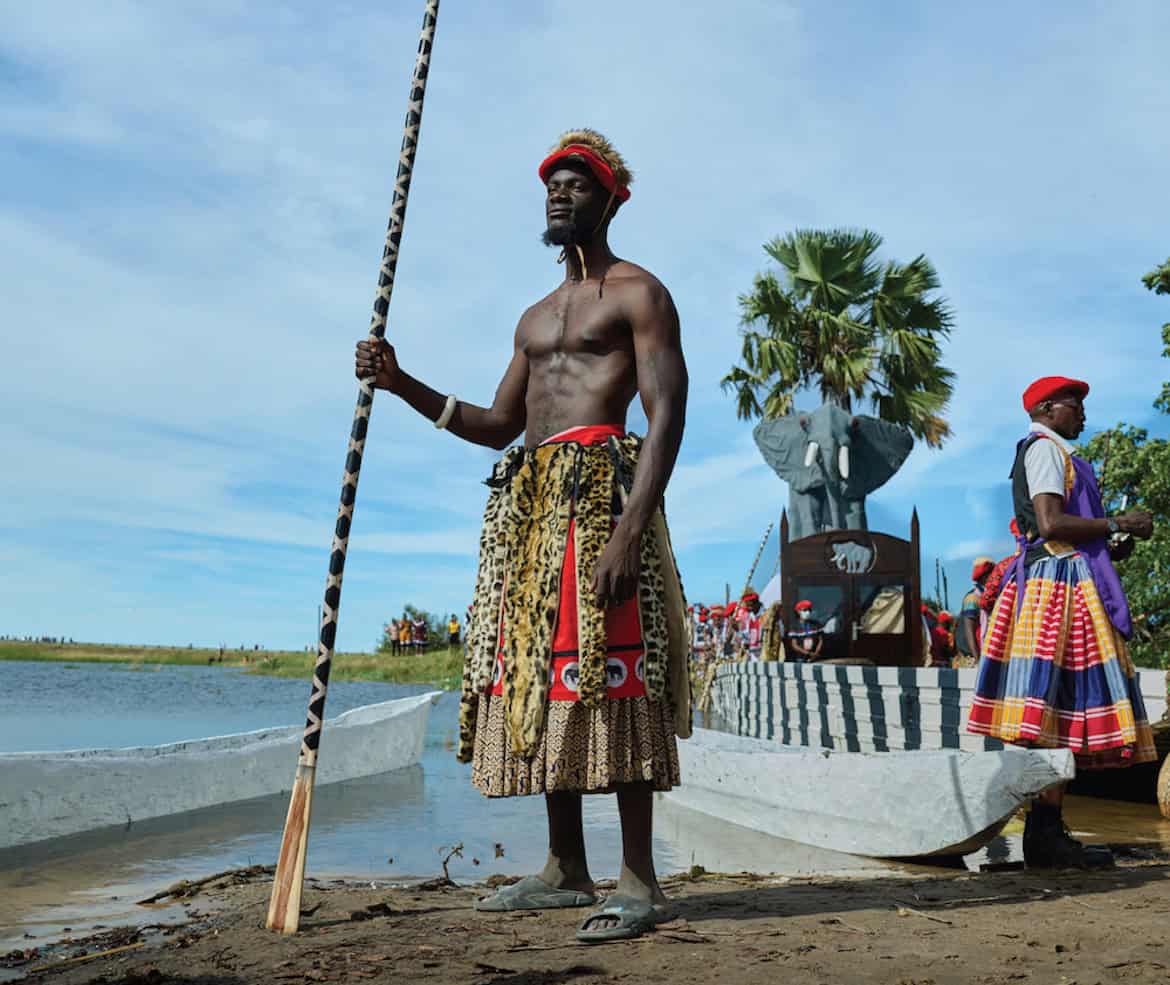
Conservationists report that leopard numbers are increasing in western Zambia following a community-led shift from real leopard skins to synthetic furs for traditional ceremonies.
The change centers on the Lozi people's Kuomboka ceremony and other cultural events, where participants historically wore leopard skins as symbols of status and heritage.
Synthetic replicas, known locally as "Heritage Furs," were developed in collaboration with Panthera, the Barotse Royal Establishment, and the Peace Parks Foundation to match the appearance and cultural significance of authentic pelts.
Since the program began distributing the synthetic furs, researchers have documented a measurable decline in leopard poaching in the surrounding landscapes, including Liuwa Plain and Sioma Ngwezi national parks.
Camera-trap surveys and patrol data indicate that leopard densities have risen in areas where the synthetic furs have been widely adopted, suggesting the intervention is directly contributing to population recovery.
The initiative addresses a long-standing conservation challenge by respecting cultural traditions while removing the demand for illegally hunted leopards.
Organizers say the synthetic furs are durable, cost-effective, and accepted by community leaders, making the transition sustainable without relying on ongoing external enforcement.
Researchers emphasize that continued monitoring is needed to confirm long-term trends, but early results demonstrate that cultural adaptation can produce tangible conservation outcomes.
Leopards recover in Zambia as communities swap skins for synthetics
This is an independent summary. The complete reporting, supporting context and any primary documents remain with Positive News.