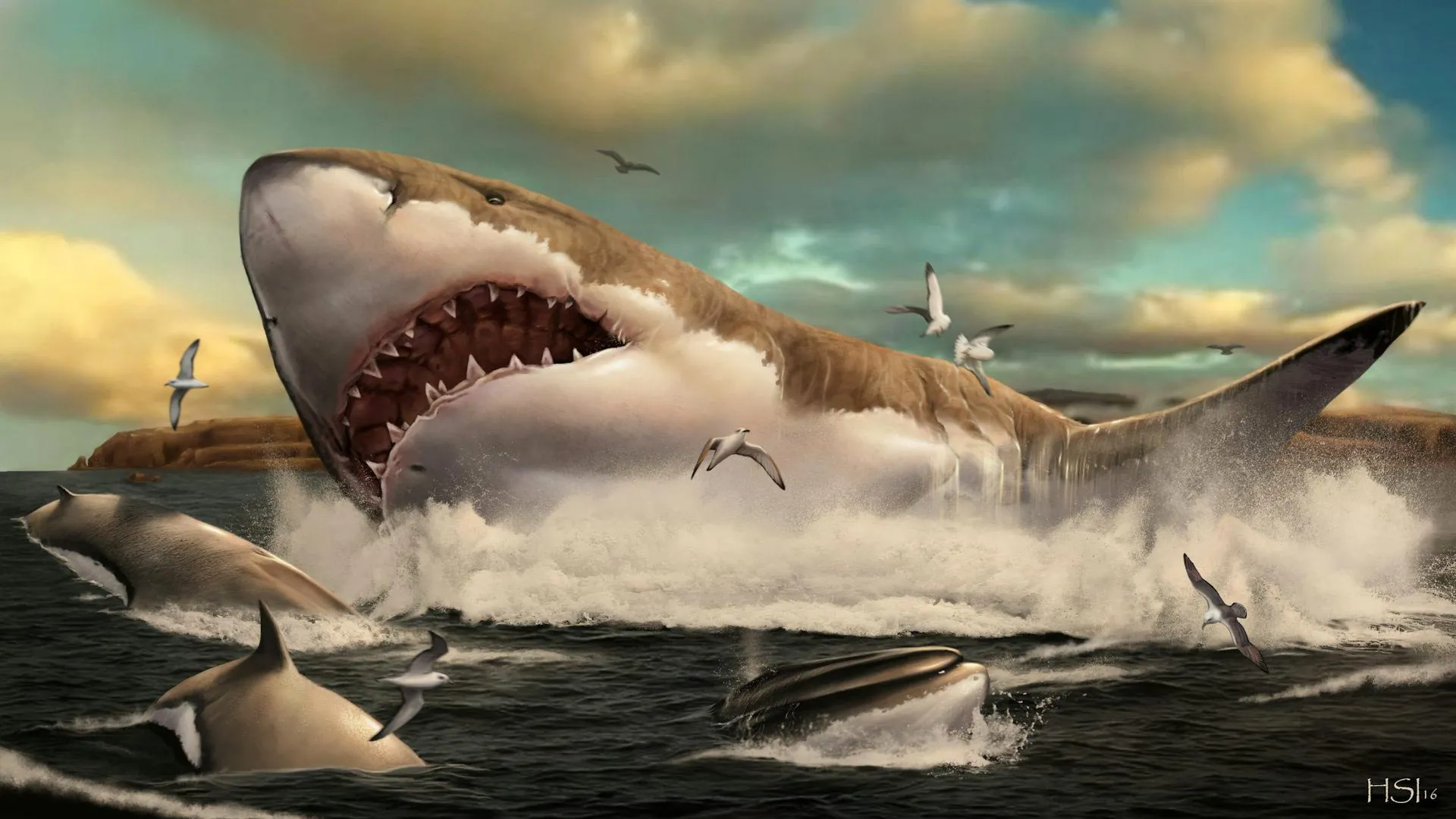
Several vertebrae from the extinct megatooth shark Otodus megalodon, long believed lost, have been rediscovered in the Natural History Museum of Denmark. The fossils, approximately 11 million years old, were originally collected from the Gram Formation in Denmark and moved from the Geological Museum of Copenhagen to the Museum of Southern Jutland in 1989, after which they were recorded as destroyed.
Researchers located a few of the vertebrae sitting unrecognized on a museum shelf, allowing the first direct analysis of the specimens in decades. The vertebrae measure up to 23 centimeters in diameter, the largest known for the species, and provide a more reliable indicator of body size than teeth because shark skeletons are primarily cartilage.
A new study published in Palaeontologia Electronica uses these specimens to reinforce previous estimates that O. megalodon could exceed 24 meters (79 feet) in total length. The analysis also models growth patterns, estimating that newborn sharks may have measured around 3.6 meters (12 feet) and that individuals could live for nearly a century.
The rediscovery highlights how specimens can be misplaced in large collections during transfers or reorganizations, only to resurface years later. The fossils had persisted in the collection despite limited scientific records consisting of old photographs and descriptions.
Lead author Kenshu Shimada and colleagues from Queen Mary University of London, the Natural History Museum of Denmark, and other institutions examined the vertebrae to refine paleobiological understanding of the species, which lived between 15 and 3.5 million years ago.
The findings are based solely on the rediscovered vertebral material; no new field excavation was involved. Researchers caution that size estimates remain extrapolations from partial remains, as complete skeletons of cartilaginous fish are exceptionally rare in the fossil record.
Scientists rediscover lost Megalodon fossils—and reveal a 79-foot giant
This is an independent summary. The complete reporting, supporting context and any primary documents remain with ScienceDaily.