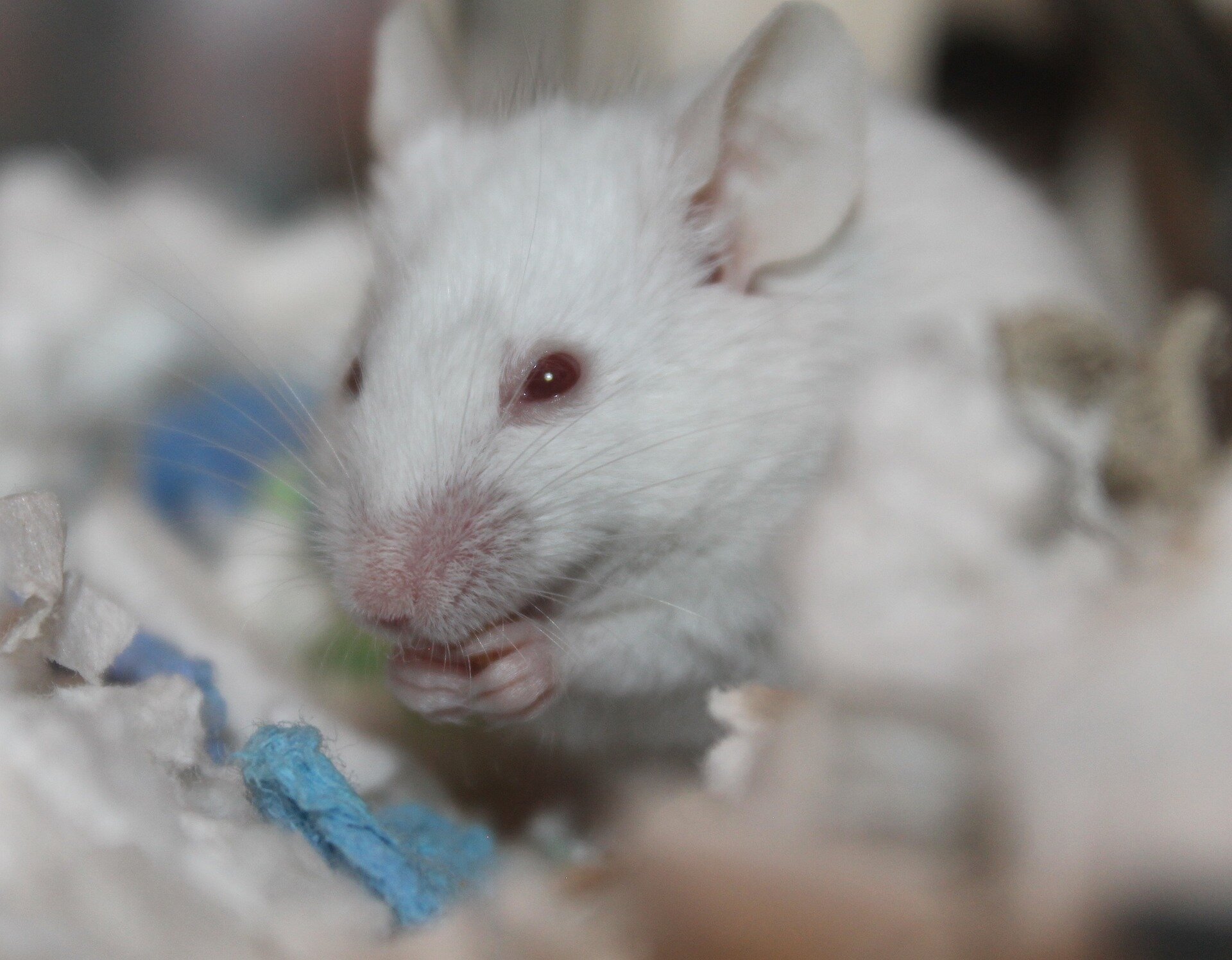
Researchers at the University of California, Riverside, have completed a 30-year selection experiment comparing mice bred for high voluntary wheel-running with unselected control lines. The high-runner mice voluntarily run up to three times the distance of control mice each day.
The study tracked lifetime reproductive success and lifespan for paired males and females under standard laboratory conditions with unlimited food and water. Running wheels were not provided during the breeding phase, though prior work showed high-runner mice remain more active than controls even without wheels.
Contrary to expectations based on life-history theory, the average number of litters did not differ between high-runner and control lines. The high-runner mice also lived as long as controls, with no evidence of a survival cost to the elevated activity phenotype.
Theodore Garland, distinguished professor of evolution, ecology and organismal biology, led the research with doctoral student Natalie Whitehead. Garland noted that such lifetime breeding studies are rare because they require years of continuous monitoring and substantial laboratory resources, supported here by the National Science Foundation.
The researchers cautioned that the findings do not directly translate to human athletes, whose exercise habits are shaped by genetics, culture, education and many environmental factors difficult to separate. Laboratory mice allow controlled conditions that eliminate many outside influences.
No relationship was found between the lifespans of paired males and females, contrary to hypotheses about grief or conflict effects. The authors suggest that abundant food may have allowed mice to meet the energetic demands of both high activity and reproduction without trade-offs, or that high-runner mice evolved metabolic efficiencies not examined in this study.
The results imply that observed negative correlations between traits in nature may reflect a lack of selection for both traits at high levels rather than unavoidable physiological trade-offs. The findings are published in Behavior Genetics.
Mice bred to run three times farther show no fertility or lifespan cost
This is an independent summary. The complete reporting, supporting context and any primary documents remain with Phys.org.