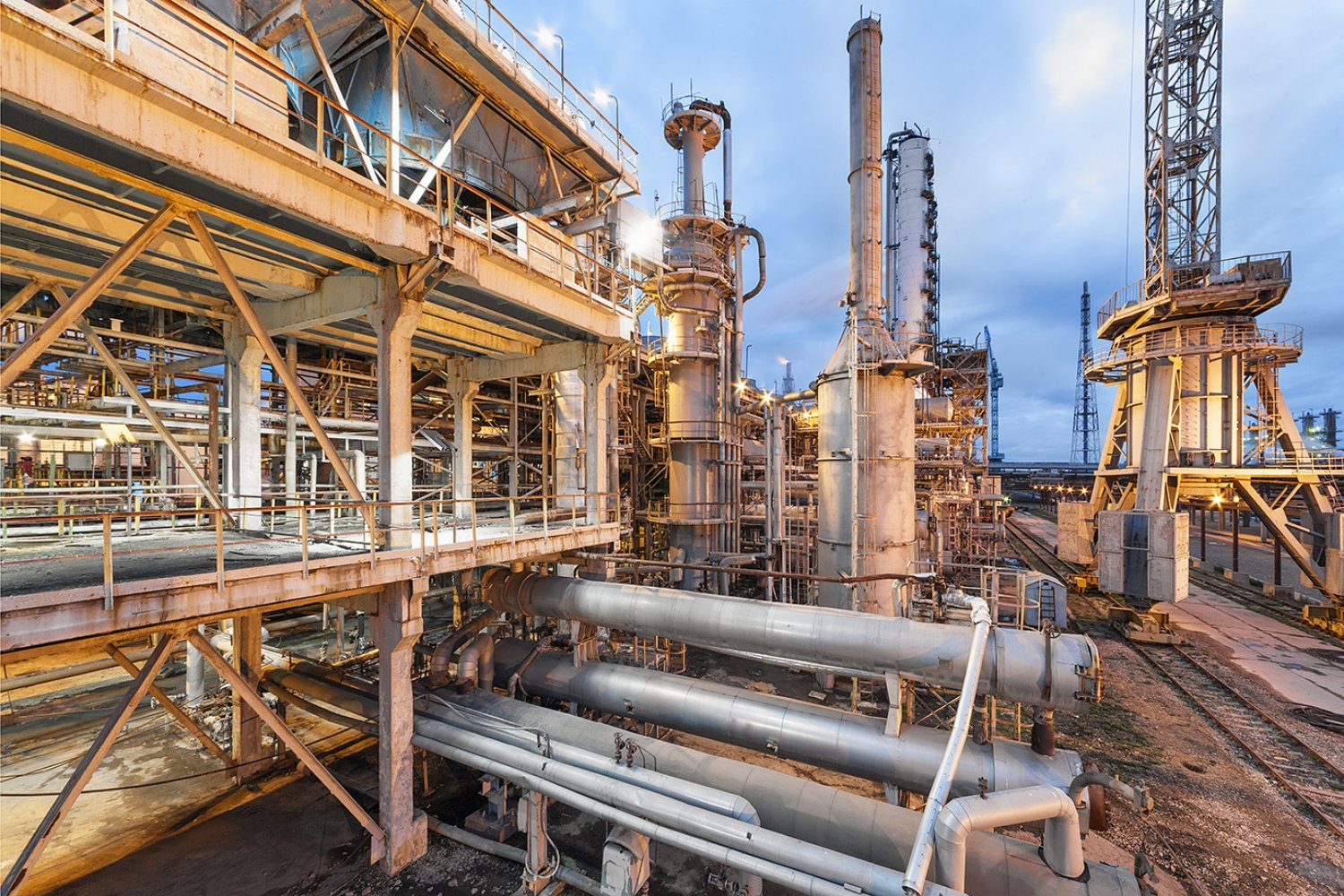
Ammonia production currently accounts for roughly 2 percent of global energy use and 1.5 percent of greenhouse gas emissions, almost entirely through the century-old Haber-Bosch process that relies on fossil fuels for heat and hydrogen.
Electrochemical synthesis offers a lower-emissions alternative but has not reached industrial viability because existing catalysts yield production rates that are too low and energy costs that are too high.
MIT researchers led by Professor Bilge Yildiz and doctoral students Constantine Athanitis and Filip Grajkowski used density functional theory and machine learning to screen transition metal nitride alloys for catalytic activity.
The study found that the nitrogen already present in these nitride catalysts participates directly in the reaction, creating a stepwise pathway that lowers the energy needed to break nitrogen's strong molecular bonds.
The computational approach identified specific electronic and structural properties — particularly the hybridization of nitrogen 2p and metal d bands — that govern catalytic efficiency and selectivity for ammonia over competing reactions like hydrogen evolution.
The work remains theoretical; the predicted alloys have not yet been synthesized or tested in a working electrochemical cell.
Independent expert Dane Morgan of the University of Wisconsin noted that translating these calculations into practical catalysts will require many additional experimental steps, so real-world impact is likely still distant.
The researchers plan to build a laboratory reaction cell to validate the computational predictions under real operating conditions.
Paving the way for greener ammonia production
This is an independent summary. The complete reporting, supporting context and any primary documents remain with MIT News.