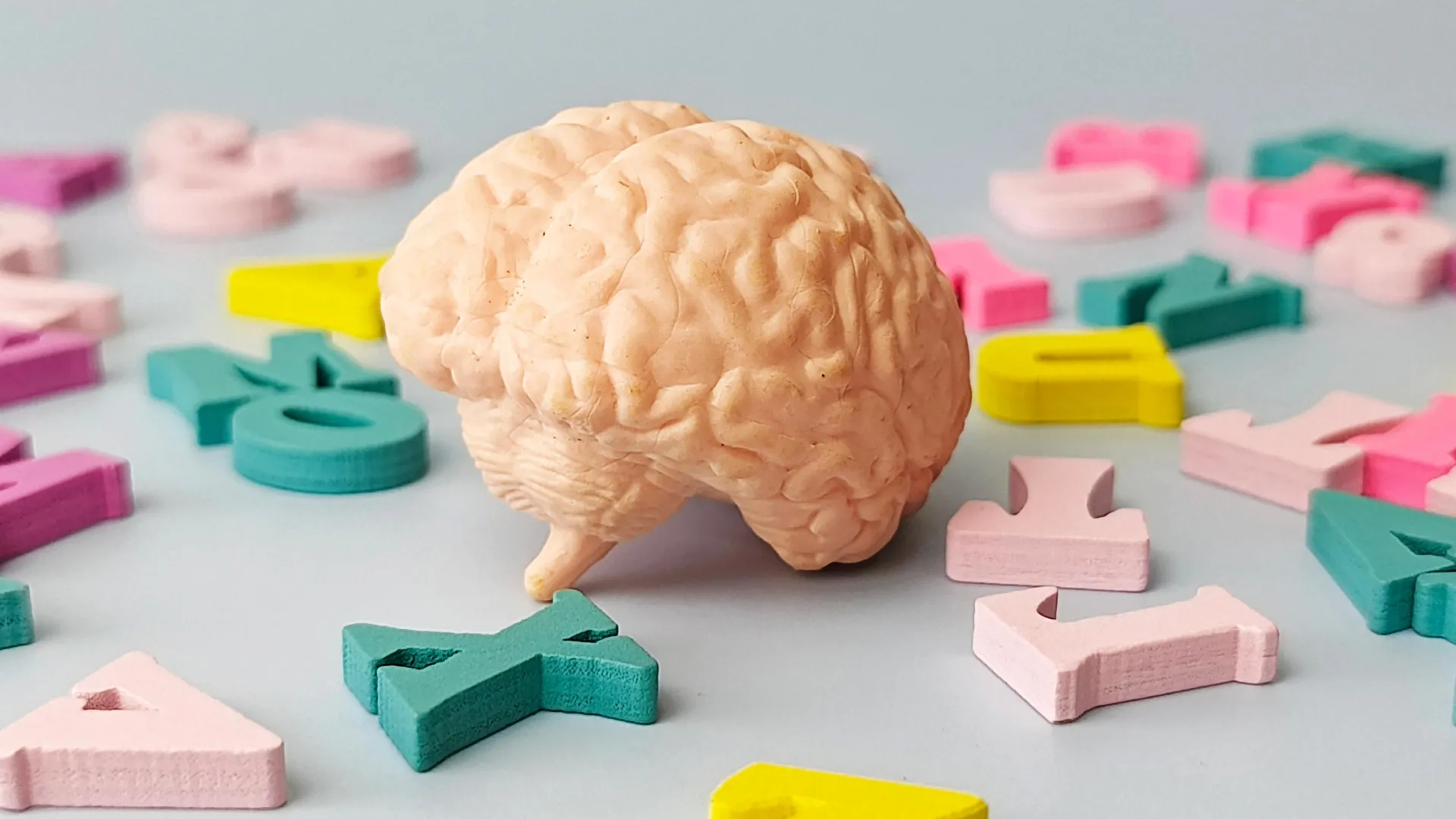
Researchers from the Basque Center on Cognition, Brain and Language and collaborating institutions in Chile, Argentina, and Ireland presented findings at the Federation of European Neuroscience Societies Forum 2026 suggesting that multilingual experience is associated with slower brain aging. The study focused on 728 participants from the Basque region of Spain who spoke between one and four languages, including Spanish, Basque, French, and English.
To estimate brain age, the team first used magnetoencephalography to record brain activity patterns across the initial group and trained an artificial intelligence model to create a "brain aging clock" reflecting typical connectivity at different ages. They then applied this clock to a separate validation group of 144 people to estimate each individual's brain age.
When comparing chronological age with estimated brain age, a gradient emerged: bilingual participants showed brains appearing about six years younger than monolinguals, trilingual participants about seven years younger, and those fluent in four languages roughly 13 years younger. The effect correlated not only with the number of languages but also with earlier age of acquisition and higher proficiency.
Lead researcher Dr. Lucia Amoruso stated that multilingual experience appears to matter as a gradient rather than a simple binary distinction, with depth and duration of language use linked to more delayed brain aging. The analysis adjusted for age, sex, and education, though the researchers cautioned that lifestyle, social engagement, and other unmeasured factors could also contribute to the observed differences.
The team plans to investigate whether similar patterns appear in people with neurodegenerative conditions such as Alzheimer's disease, where brain resilience is particularly relevant. They also intend to explore whether switching between closely related languages, which may demand greater cognitive control, produces an even stronger effect.
Professor Christina Dalla, chair of the FENS Forum communication committee and not involved in the study, noted that effortful learning throughout life is known to support brain health. She said the findings suggest learning additional languages could help brains stay younger for longer, supporting language education at school and across the lifespan.
Funding for the research came from the U.S. National Institutes of Health and National Institute on Aging, the Fogarty International Center, the Multi-partner Consortium to Expand Dementia Research in Latin America, the Alzheimer's Association, the Global Brain Health Institute, the Davos Alzheimer's Collaborative, Alzheimer's Society UK, FONDECYT, and the Ramón y Cajal fellowship through the Spanish State Research Agency.
Multilingual people may have brains up to 13 years younger
This is an independent summary. The complete reporting, supporting context and any primary documents remain with ScienceDaily.