Researchers at the University of Hong Kong have created a stainless steel alloy, designated SS-H2, that resists corrosion in chloride-rich environments at electrical potentials up to 1,700 millivolts. This threshold exceeds the roughly 1,600 millivolts required for water oxidation during electrolysis, a key step in producing green hydrogen from seawater.
Conventional stainless steel relies on a chromium oxide passive layer that breaks down above about 1,000 millivolts through transpassive corrosion, limiting its use in high-voltage electrochemical cells. Even high-grade alloys such as 254SMO super stainless steel lose protection at the potentials needed for efficient water splitting.
The new material overcomes this limit through what the team calls sequential dual-passivation. A manganese-based layer begins forming at approximately 720 millivolts atop the traditional chromium oxide film, and the combined layers remain stable in seawater at potentials beyond water oxidation. Manganese has traditionally been considered detrimental to stainless steel corrosion resistance, making the mechanism unexpected.
Dr. Kaiping Yu, the study's first author, said the manganese-based passivation could not be explained by current corrosion science and required extensive atomic-level evidence to confirm. The research spanned nearly six years from initial discovery to publication in Materials Today, with patents authorized in multiple jurisdictions.
The economic motivation is significant. Proton exchange membrane electrolyzers that run on desalinated seawater or acidic solutions currently use titanium structural components coated with gold or platinum, which can account for up to 53 percent of a system's cost. A 10-megawatt system costs roughly HK$17.8 million, and the researchers estimate SS-H2 could reduce structural material expenses by about 40 times.
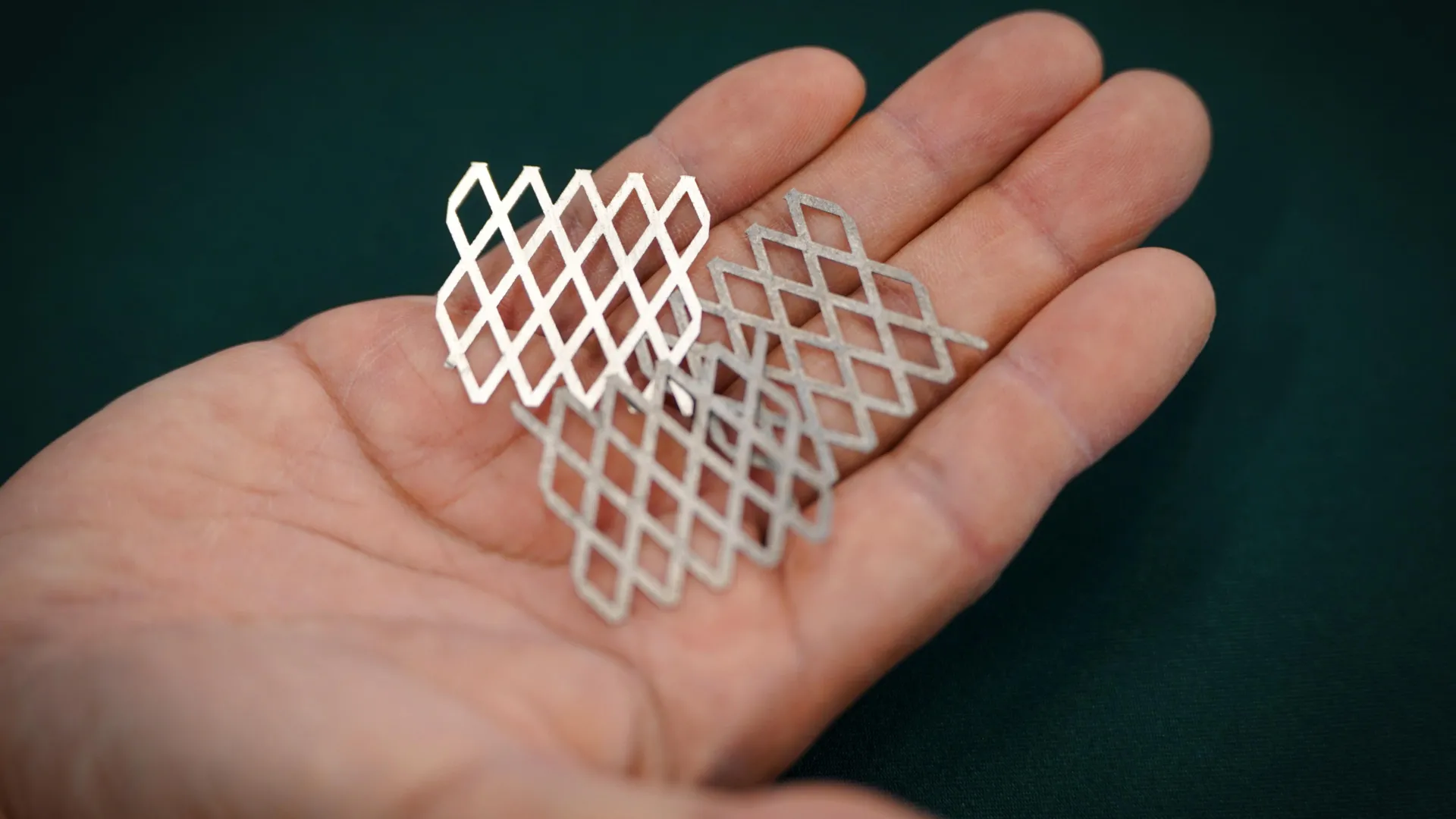
Industrial deployment still faces engineering hurdles. Electrolyzers require components in forms such as meshes and foams, not just laboratory samples. Professor Mingxin Huang, who leads the Super Steel Project, said tons of SS-H2-based wire have already been produced in collaboration with a mainland factory as a step toward large-scale manufacturing.
If the material performs reliably in commercial electrolyzer components, it could lower the cost barrier for green hydrogen production using renewable energy and seawater. The work represents a shift from studying corrosion at natural potentials to designing alloys stable at high electrochemical potentials, a strategy the team says establishes a new paradigm for alloy development.
“Cannot be explained” – New super steel stuns scientists
This is an independent summary. The complete reporting, supporting context and any primary documents remain with ScienceDaily.