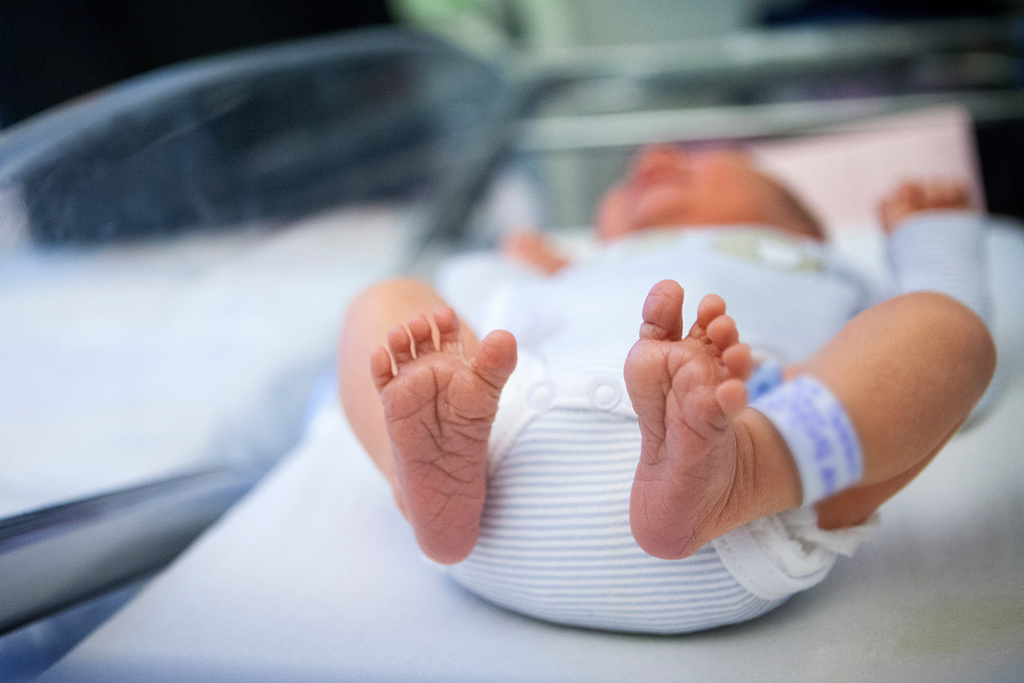
Researchers at Dana-Farber/Boston Children's Cancer and Blood Disorders Center and Mass General Brigham analyzed archived dried blood spots from 1,948 children born in Michigan who later developed a solid or brain tumor by age eight. Using a panel of 11 genes linked to pediatric cancer predisposition syndromes, they identified pathogenic or likely pathogenic variants in 132 children, nearly 7 percent of the cohort. The study, published in Nature Communications, is among the first and largest population-based assessments of detecting cancer risk at birth through DNA sequencing of newborn screening samples.
Currently, U.S. newborns are screened for a panel of rare, treatable disorders using biochemical tests on heel-stick blood collected at about 24 hours after birth. Cancer risk is not included because it requires DNA sequencing. The researchers estimate that implementing genomic newborn screening for selected cancer-risk genes could help identify approximately 1,000 children annually in the United States who would benefit from early detection and syndrome-specific surveillance protocols.
The strongest associations appeared in cancers with known inherited risk links. All six children who developed medullary thyroid carcinoma carried a germline RET mutation. Forty percent of children with retinoblastoma, the most common childhood eye tumor, had a germline RB1 mutation. Across several other cancers, including choroid plexus carcinoma, adrenocortical carcinoma, pineoblastoma, and medulloblastoma, 11 to 30 percent of cases had a detectable mutation in one of the studied genes.
In 130 of the 132 children with a detected mutation, the gene was known to be associated with the type of tumor they later developed. Children with these cancer-predisposing mutations tended to develop cancer much earlier than other children in the study. The median age at diagnosis was 14 months for children with a detected mutation, compared with 32 months for those without one.
Retinoblastoma offers a clear example of how early identification could change care. The researchers identified RB1 mutations in 69 children, 68 of whom later developed retinoblastoma. Among children with retinoblastoma, those with an RB1 mutation were diagnosed at a median age of 9 months, compared with 23 months for those without a detected germline RB1 mutation. If identified at birth, these children could undergo regular eye exams to detect tumors earlier, potentially improving vision outcomes and reducing the need for intensive treatments such as eye removal, chemotherapy, or radiation.
The overall frequency of early-onset cancers predictable through genomic newborn screening was estimated at about 1 in 27,000 newborns, a range comparable to some conditions already included in standard newborn screening programs. The findings provide evidence that selected pediatric cancer-risk genes could be valuable additions to expanded newborn screening when early detection leads to closer surveillance, earlier diagnosis, and less toxic treatment.
The Mass General Brigham team continues to work on implementing cancer-risk gene DNA sequencing workflows within public health newborn screening programs to channel identified newborns into clinical surveillance protocols at Dana-Farber. Funding for the study was provided by a Traditional Bridge Grant from the Bridge Project, a partnership between the Koch Institute for Integrative Cancer Research at MIT and the Dana-Farber/Harvard Cancer Center, with initial support from Harvard Radcliffe Institute programs.
Screening newborns for cancer risk
This is an independent summary. The complete reporting, supporting context and any primary documents remain with Harvard Gazette.