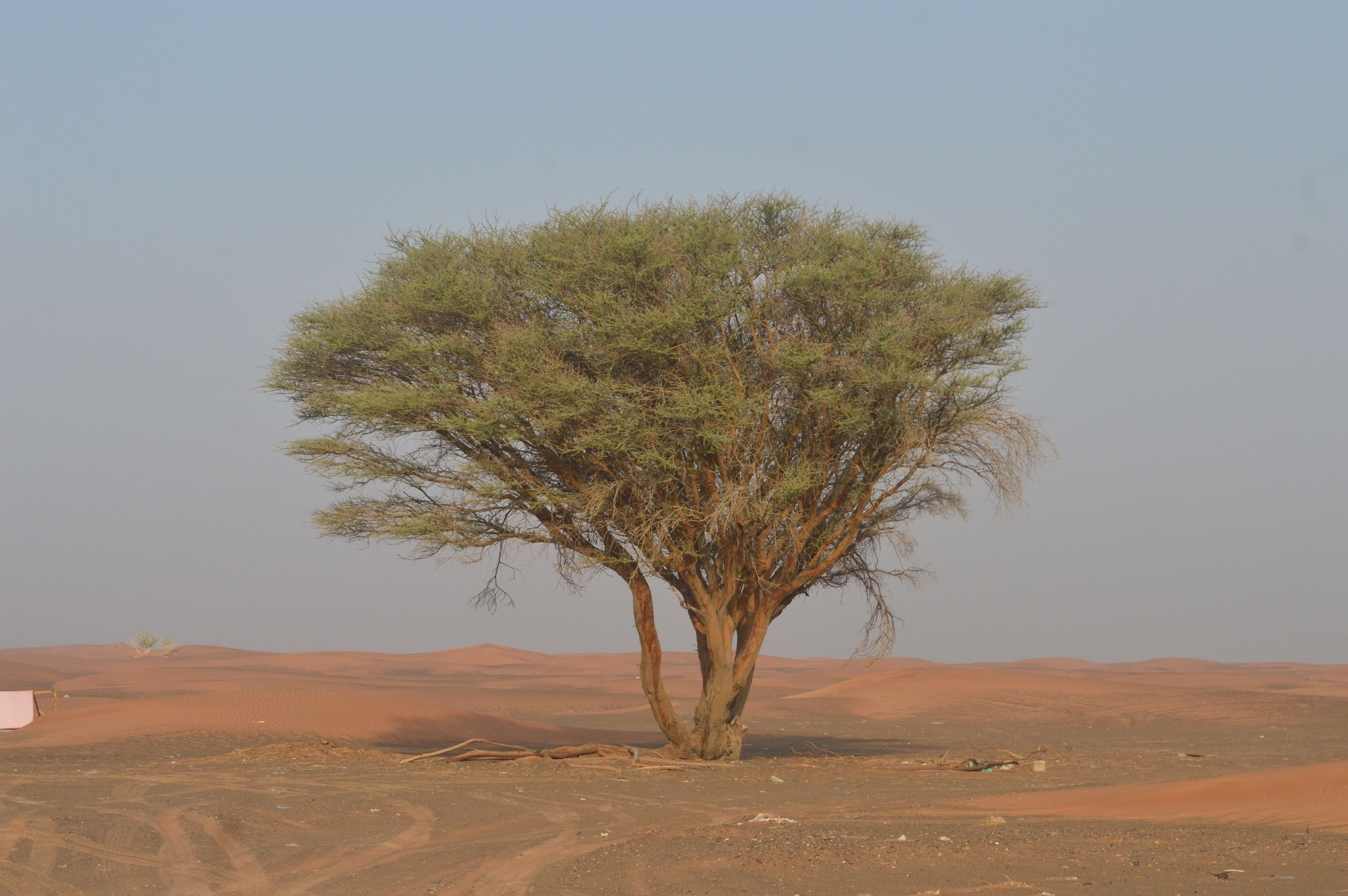
In 1983, Australian agricultural adviser Tony Rinaudo observed that seemingly barren land in Niger's Sahel region still contained living root systems beneath the depleted soil. He found that when farmers reduced overgrazing and protected these underground roots, trees naturally regenerated from the existing root stock.
This approach, known as farmer-managed natural regeneration (FMNR), involves selecting and pruning the strongest stems sprouting from live roots while removing competing vegetation. The method requires no nursery-grown seedlings, irrigation, or external inputs beyond changes in land management practices.
Over subsequent decades, the technique spread through farmer-to-farmer knowledge sharing across Niger. By 2024, an estimated 5 million hectares of Sahel savanna had been restored using FMNR, increasing tree cover and improving soil fertility on agricultural land.
The restored areas now support higher crop yields, provide firewood and fodder, and increase household resilience to drought. Farmers report that the practice reduces the time women and children spend collecting firewood and improves microclimates for crops.
Researchers note that FMNR works because it leverages the Sahel's natural capacity for regeneration rather than fighting against local ecological conditions. The technique is most effective where root systems remain viable and where communities have secure land tenure to invest in long-term management.
The approach has since been adopted in at least 24 African countries, with variations adapted to local species and farming systems. International organizations including World Vision and the World Agroforestry Centre have supported its dissemination through training and policy advocacy.
Scientists emphasize that FMNR is not a substitute for protecting intact forests but offers a low-cost strategy for restoring tree cover on degraded farmland where conventional reforestation has often failed due to high seedling mortality and maintenance costs.
Ongoing research continues to quantify carbon sequestration rates, biodiversity outcomes, and the technique's limits in areas where root systems have been completely destroyed by prolonged degradation.
How Niger restored 5 million hectares without planting a single tree
This is an independent summary. The complete reporting, supporting context and any primary documents remain with The Optimist Daily.