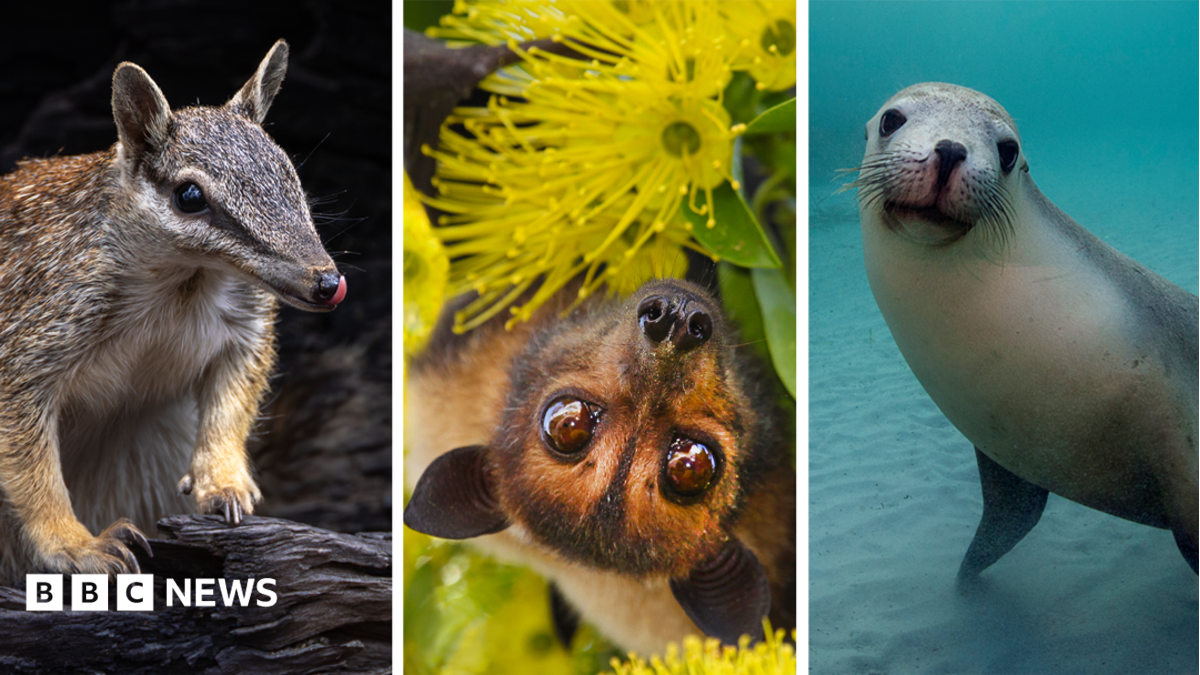
In Dryandra Woodland, south-western Australia, researchers and volunteers conduct an annual survey to track the numbat, a striped, squirrel-sized marsupial once found across the southern half of the continent. The species had dwindled to fewer than 50 individuals in the area by the 1980s, but this year's count contributed to its removal from the International Union for Conservation of Nature's endangered list, reclassifying it as near-threatened.
Nationally, numbat numbers have risen to around 3,000, with the Dryandra population increasing tenfold since the 1980s. The recovery stems from decades of work by the Western Australia Department of Biodiversity, Conservation and Attractions and the volunteer Numbat Taskforce, combining feral predator control, habitat protection, and a Perth Zoo breeding program that releases animals to boost genetic diversity.
Australia loses roughly four species per decade and leads the world in mammal extinctions, with at least 100 plant and animal species confirmed lost and the true figure suspected to be far higher. Threats include habitat clearing for farming, mining and development; feral cats and foxes, which kill an estimated three billion animals annually; invasive weeds; diseases such as chytrid fungus and chlamydia; and climate-driven bushfires and floods.
The 2019-20 Black Summer bushfires alone killed an estimated three billion animals. Many surviving species are now confined to small, isolated patches, compounding their vulnerability. Conservationists say habitat protection and restoration are not keeping pace with destruction, and predator control remains an endless battle requiring fenced reserves that introduce new problems like inbreeding.
The federal government has pledged no new extinctions and passed revised environment laws in 2025, but the National Environmental Standards and a federal watchdog to enforce them are still being developed. Former environment minister Robert Hill said successive governments over 30 years have failed to adequately protect nature, often prioritising economic outcomes from industries such as mining and salmon farming.
Federal spending on nature protection is about A$700 million annually, while conservationists argue A$33 billion, or 1% of GDP, is needed. Research cited by advocates indicates more than A$26 billion goes to subsidies for mining, intensive agriculture and fuel that harm biodiversity, a figure the government disputes.
Ecologist Jack Pascoe, a Yuin Aboriginal man, said biodiversity loss threatens food production, tourism, potential medical breakthroughs and First Nations culture. Professor Euan Ritchie compared the situation to a doctor unable to treat known illnesses due to lack of political will.
Volunteers and researchers say small wins like the numbat's recovery sustain their efforts, but they caution that without urgent, large-scale action and funding, Australia's extinction trajectory will continue to worsen.
Australia is the planet's extinction hotspot, but one animal offers a glimmer of hope
This is an independent summary. The complete reporting, supporting context and any primary documents remain with BBC News.