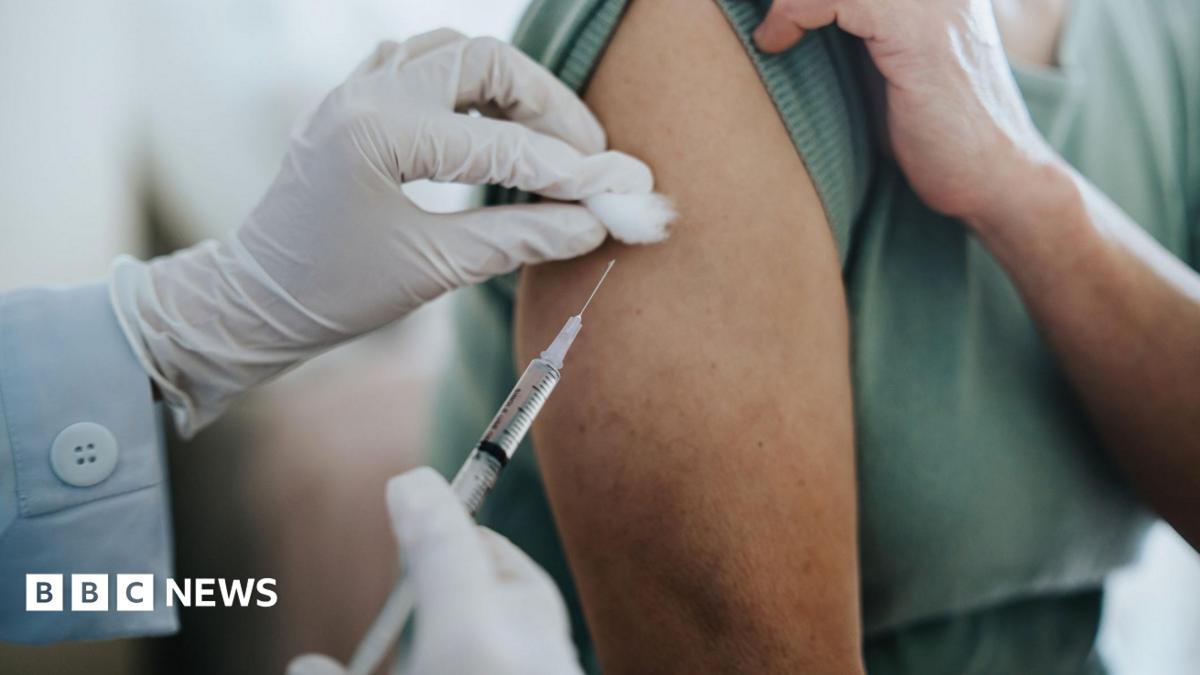
Drug companies Merck and Moderna announced interim results from a phase three trial testing a personalised mRNA vaccine called Intismeran in combination with the immunotherapy drug Keytruda. The trial enrolled more than 1,000 patients with high-risk stage two, three, or four melanoma who had undergone surgery to remove their tumours.
The vaccine is created by sequencing DNA from a sample of each patient's tumour to identify specific mutations. The resulting mRNA jab instructs the patient's immune system to recognise and attack any remaining cancer cells bearing those mutations.
According to the companies' announcement, patients receiving the vaccine plus Keytruda remained cancer-free for a significantly longer period compared to those receiving Keytruda alone. The combination also reduced the risk of the disease spreading to other organs.
The firms did not specify the median duration of the cancer-free period in their announcement. Cancer experts noted that the full trial data has not yet been released or subjected to independent peer review.
Dr Talisia Quallo of Cancer Research UK described the findings as promising but stressed the need for full data review and continued funding for personalised treatment research. Dr Lennard Lee of the University of Oxford said the results provide proof of principle that personalised cancer vaccines can work.
Regulatory approval would be required before the treatment could become available through health systems such as the NHS. Merck and Moderna are also testing similar personalised vaccine approaches for lung, bladder, and kidney cancers.
The announcement led to a surge in share prices for both companies. Stephane Bancel, chief executive of Moderna, called the findings a pivotal moment for cancer research.
Vaccine breakthrough stops cancer returning in trial
This is an independent summary. The complete reporting, supporting context and any primary documents remain with BBC News.