A study published in Nature Communications analyzed the AMY1 gene in 3,723 individuals from 85 global populations using genomic databases. The gene produces salivary amylase, an enzyme that breaks down starch, and more copies generally mean more efficient starch digestion.
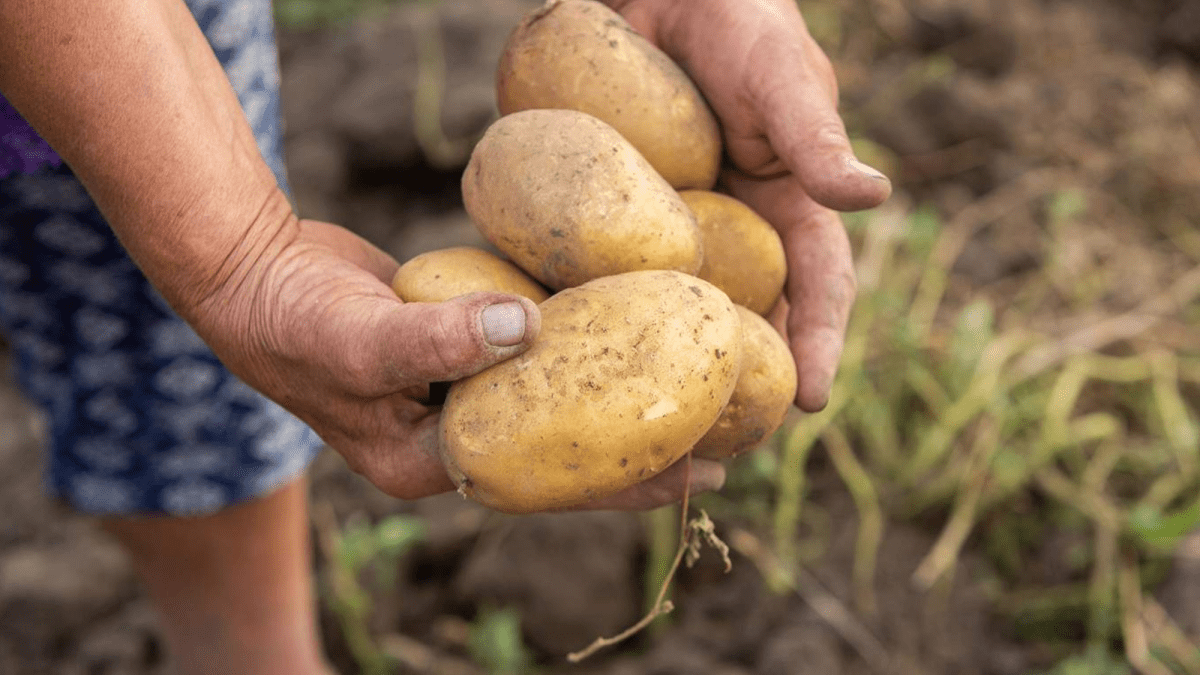
Indigenous Andeans were found to have two to four more copies of AMY1 on average compared with other groups worldwide. The researchers estimate this adaptation emerged around the time potatoes were first domesticated in the Andes roughly 10,000 years ago.
Population genetics modeling suggests individuals with higher AMY1 copy numbers gained a 1.24 percent survival or reproductive advantage per generation, leading to natural selection favoring the trait over millennia.
To distinguish the effects of potato cultivation from later historical events, the team compared Andean populations with the Maya, an Indigenous group in Mexico sharing evolutionary history but lacking a tradition of potato farming. Andeans showed significantly higher AMY1 copy numbers.
Computer simulations, advanced DNA sequencing, and multiple statistical tests confirmed the adaptation began before European contact, ruling out colonization-era famine, disease, or conflict as primary drivers.
Study co-author Omer Gokcumen, an evolutionary biologist at the University at Buffalo, said the evidence for diet-driven genetic adaptation in this case is unusually strong. Co-author Abigail Bigham noted the findings illustrate how human metabolic pathways have continued evolving in response to changing food conditions within the last 10,000 years.
Eating potatoes reshaped the DNA of Indigenous Andeans
This is an independent summary. The complete reporting, supporting context and any primary documents remain with Popular Science.