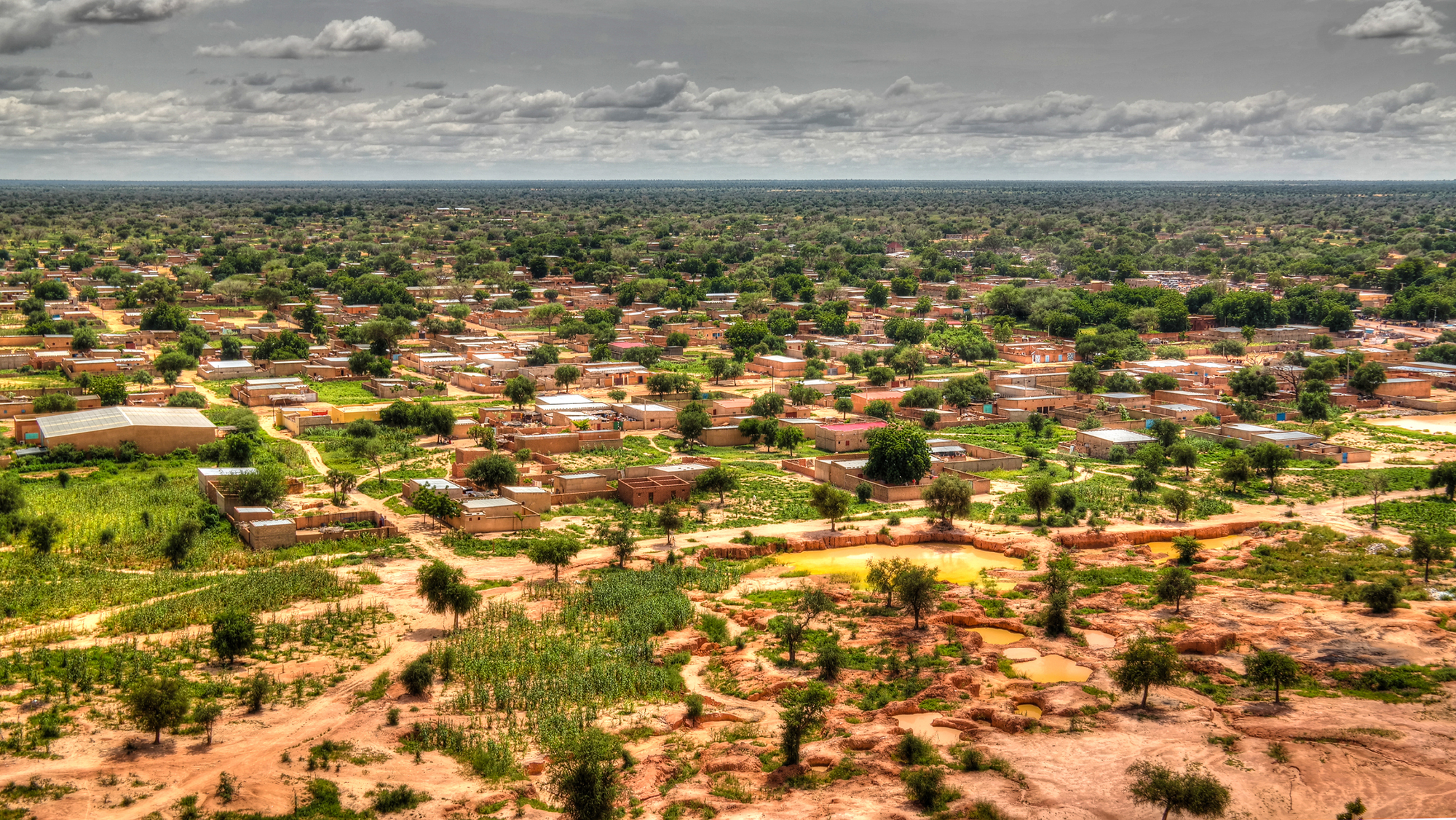
The African Sahel, a semi-arid belt stretching from Senegal to Ethiopia, is experiencing a marked increase in groundwater storage after decades of drought. Wells across the region have risen by 13 feet or more in places, and NASA's GRACE satellites confirm a sharp rise in terrestrial water storage over the past two decades.
Climate researchers attribute the stronger West African monsoon to rapid warming of the North Atlantic. The Intergovernmental Panel on Climate Change assessed with high confidence that this warming stems from global heating combined with reduced sulphate aerosols from coal burning in Europe and North America, which previously cooled the ocean and kept the monsoon farther south.
Rainfall has not only increased but become more extreme, with a threefold rise in the frequency of intense storm clusters since the 1980s. Hydrologists note that these violent downpours fall on drought-crusted soils, generating rapid runoff that flows into dry riverbeds and inland depressions, recharging aquifers more effectively than gentle rain.
Lake Chad, which shrank to a fraction of its 1960s extent during the late 20th century, swelled to more than 9,000 square miles in 2024, according to hydrogeologists at the University of N'Djamena. The lake's recovery is partly masked by saturated vegetation that does not appear in standard satellite imagery, but the underlying aquifer is also refilling.
Land-use changes are contributing alongside climate shifts. Shallow-rooted crops such as millet and sorghum transpire less water than the deep-rooted grasses they replaced, leaving more moisture in the soil. Farmers in southern Niger have encouraged the natural regrowth of an estimated 200 million trees, and traditional water-harvesting techniques like zai pits and stone contours are being revived.
The Great Green Wall initiative has evolved from a tree-planting barrier into grassroots soil-moisture projects, though most researchers say these efforts are too localized to explain the regional groundwater rise. Meanwhile, large irrigation schemes that once diverted rivers such as the Logone have declined due to aging infrastructure, poor management, and conflict-driven abandonment, leaving more surface water to reach aquifers.
The changes bring both benefits and hazards. Farmers like Achta in Chad report cultivating four times more land and doubling onion yields, and wildlife including the reintroduced scimitar-horned oryx is rebounding. However, Niger now records more deaths from floods than droughts, and the 2024 monsoon destroyed over 150,000 mud-brick homes.
Scientists caution that much remains uncertain in a region with limited monitoring. The relative contributions of rainfall intensity, soil crusting, vegetation change, and reduced withdrawals are still being quantified, but the trend toward a wetter Sahel appears set to continue through the 21st century.
'Now our lives have changed': Drop in coal burning is helping the African Sahel turn green after decades of drought
This is an independent summary. The complete reporting, supporting context and any primary documents remain with Live Science.