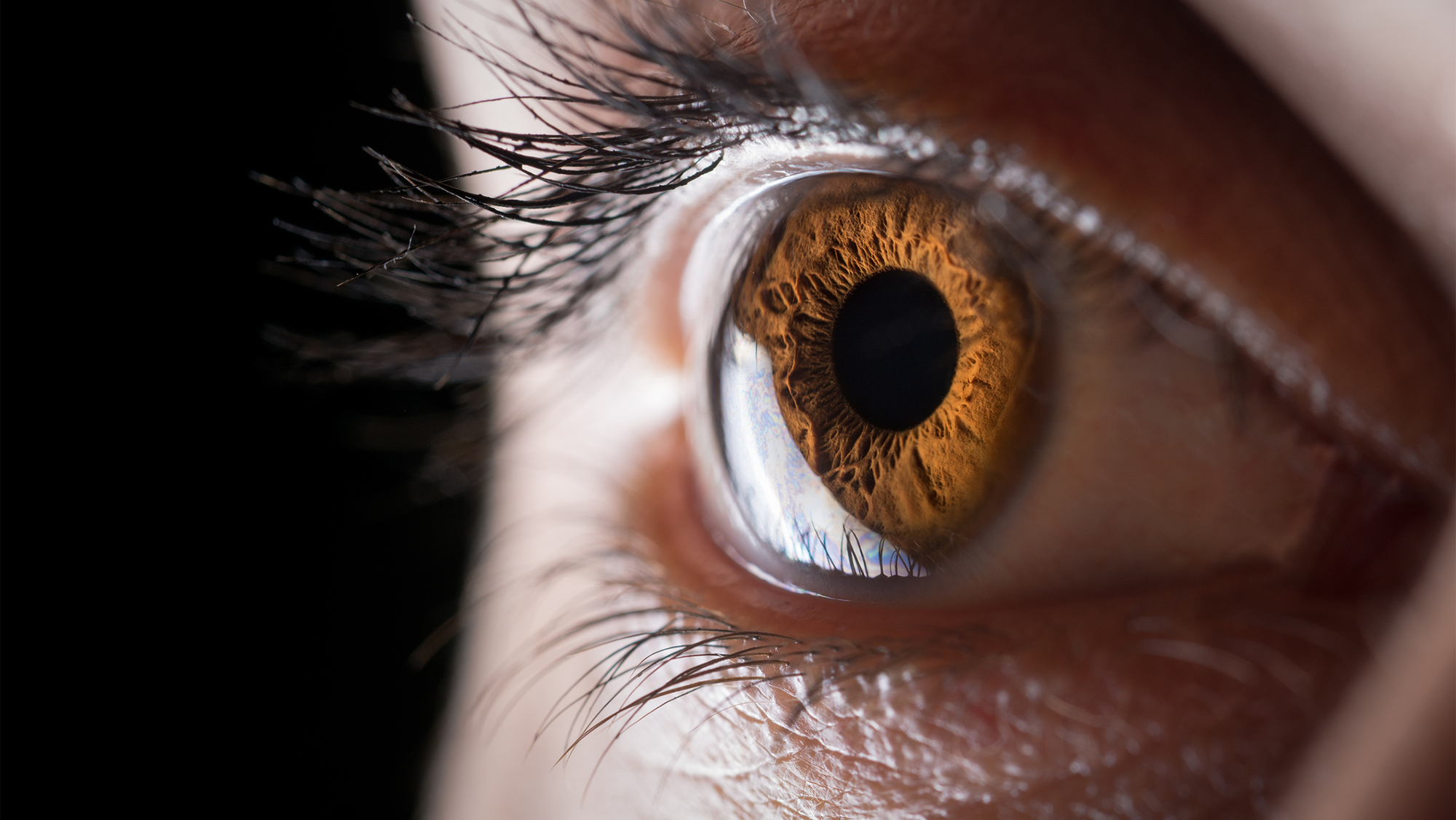
Israeli regenerative medicine company Precise Bio has transplanted 3D-bioprinted corneas into five patients as part of an ongoing Phase I safety trial, the company's co-founders told Live Science. The first recipient, who had been legally blind for 14 years due to corneal swelling following cataract surgery, regained functional vision within weeks and continued to improve over nine months of follow-up.
Corneal blindness affects an estimated 12 million to 15 million people worldwide who lack access to donor tissue. Current transplants rely on corneas recovered from deceased donors within hours of death, screened, preserved, and used within weeks. Precise Bio co-founder and CEO Aryeh Batt said that for every transplant performed, roughly 70 people remain without one.
The company's process isolates corneal endothelial cells from a single donor cornea and expands them in culture to create a cell bank. From one donor, the team can produce more than 400 printable corneas. The bioprinter deposits human endothelial cells in a collagen-based bio-ink, arranging them layer by layer at single-cell resolution to replicate the cornea's natural anatomy.
The printed tissue achieves a cell density of over 4,000 cells per square millimeter, roughly double the 2,000 to 2,500 cells typical of donor tissue. Co-founder Dr. Anthony Atala, who directs the Wake Forest Institute for Regenerative Medicine, said the implants use the same collagen found in natural corneas, allowing them to be rolled, injected, and unrolled inside the eye during surgery.
Precise Bio says its manufacturing line subjects every implant to full quality-control testing, including viral and fungal screening, before release. The company has also tested cryopreservation and international shipping, transporting implants from the Middle East to the United States and back for successful animal transplantation, aiming for a future supply-on-demand model.
The Phase I trial is being conducted in Israel, with plans to enroll 10 more patients by the end of 2026. After completing the trial, Precise Bio intends to submit an Investigational New Drug application to the U.S. Food and Drug Administration for advanced studies, with clinical sites planned in the U.S., Europe, Israel, and high-demand regions such as India.
Dr. Atala noted that corneal tissue is considered immune-privileged because it lacks blood and lymphatic vessels, so rejection risk remains low and manageable with steroid drops, similar to donor transplants. The editor's notes caution that claims of superior optical outcomes and easier surgery are based on laboratory and animal data and still require confirmation in human trials.
Meet the scientists 3D printing corneas to restore people's vision, potentially filling a worldwide shortage of transplantable tissue
This is an independent summary. The complete reporting, supporting context and any primary documents remain with Live Science.