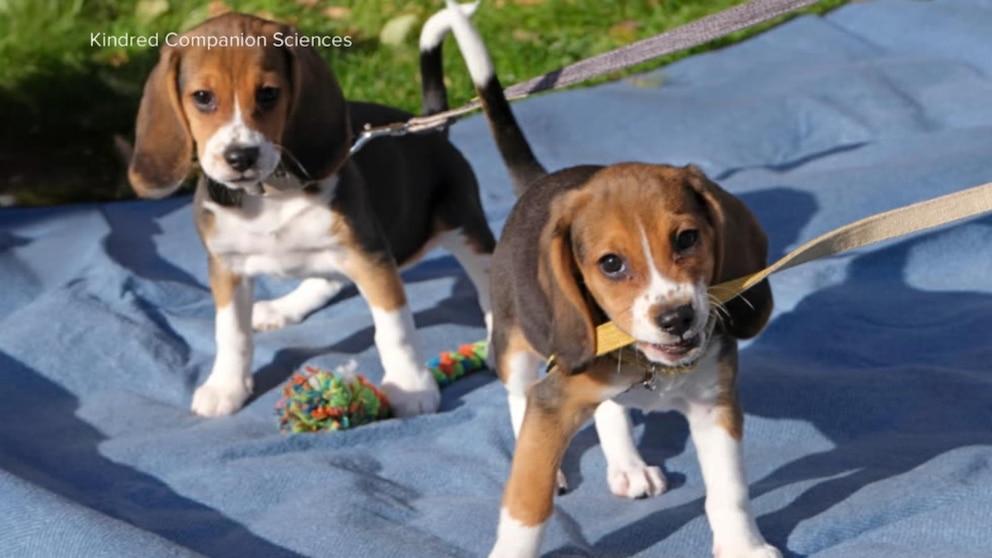
Scientists have produced a beagle named Bailey that does not provoke allergic symptoms in individuals who normally react to dogs, according to a report from ABC News. The dog was created using a gene-editing technique aimed at removing or altering the proteins that typically trigger human allergies.
Matt Walker, one of the researchers involved, said he previously could not pet a dog without sneezing, but he experienced no reaction when interacting with Bailey. The specific gene-editing method and the exact genetic targets were not detailed in the available summary.
The achievement serves as a proof of concept that the major dog allergens can be addressed at the DNA level rather than through environmental controls or medication. Allergies to dogs are commonly caused by proteins found in dander, saliva, and urine, which can remain airborne and settle on surfaces.
If the approach proves safe and reproducible, it could eventually offer an alternative for people who want canine companionship but cannot tolerate standard breeds. No timeline for broader breeding programs, regulatory review, or potential availability to the public was provided.
Independent verification of the allergen reduction, long-term health data for the edited animals, and assessment of off-target genetic effects have not been reported. The research remains at an early demonstration stage.
The work highlights the expanding application of gene-editing tools beyond human medicine into companion animal genetics. Similar techniques have been explored in cats and other species to reduce allergenic proteins.
Further studies would be needed to confirm that the genetic changes are stable across generations and do not introduce unintended health or behavioral consequences for the dogs.
For now, Bailey represents a single example of a hypoallergenic dog produced through targeted genome editing rather than selective breeding.
WATCH: Dogs genetically engineered to prevent allergies
This is an independent summary. The complete reporting, supporting context and any primary documents remain with ABC News.