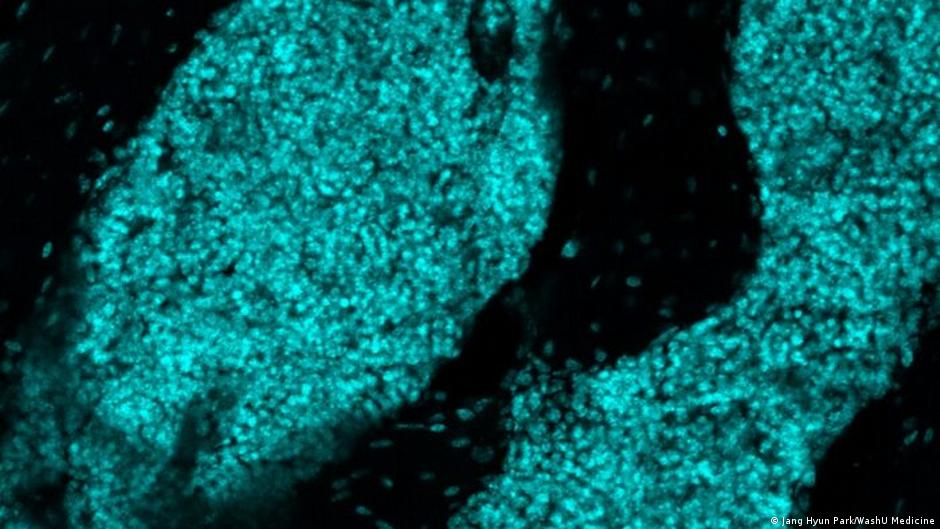
Researchers at Washington University School of Medicine in St. Louis have identified previously unknown lymph node-like structures in the bone marrow of mouse skulls. The findings, published in Nature, show these "immune hubs" contain organized clusters of B cells and T cells that respond to brain tumors before more distant lymph nodes in the neck do.
When the researchers disrupted these structures in mice with glioblastoma, an aggressive brain cancer, the tumors grew faster and the animals died sooner. Conversely, stimulating the skull marrow with immune-boosting proteins helped the animals reject tumors more effectively and survive longer.
Senior study author Jonathan Kipnis said the skull should no longer be viewed simply as a protective shell, but as containing specialized immune environments capable of responding locally to changes within the brain. The structures appear to provide the brain with something resembling its own dedicated lymph nodes.
The discovery adds to a shifting understanding of brain immunity. For much of the 20th century, the brain was considered "immune privileged" and largely isolated from the body's conventional immune system by the blood-brain barrier. Kipnis' lab previously identified lymphatic vessels in the membranes surrounding the brain and tiny channels connecting those membranes to the skull's bone marrow.
The researchers tracked proteins moving from mouse brains through microscopic skull channels into the bone marrow, where they found the organized immune clusters. Finding immune cells in bone marrow was not unusual, but their organization into lymph node-like structures was unexpected.
Marco Prinz, a neuroimmunologist at the University of Freiburg not involved in the study, called the discovery a "milestone finding" due to the unexpected organization of the immune cells. However, he stressed that researchers have yet to demonstrate the hubs exist and function in humans.
Kipnis cautioned that human evidence remains preliminary. While similar immune cells have been found in human skull marrow, researchers have not yet shown they are organized or function the same way as in mice. Any potential treatment targeting these structures in humans remains a distant prospect.
The potential implications may extend beyond cancer to other brain diseases with an immune component, though their role in conditions like Alzheimer's and Parkinson's, where blood-brain barrier changes are less pronounced, has yet to be shown.
Scientists discover new 'immune hubs' in skull bone marrow
This is an independent summary. The complete reporting, supporting context and any primary documents remain with Deutsche Welle.