Molecular biologist Francesca Granata endured years of unexplained skin pain before diagnosing herself with erythropoietic protoporphyria (EPP) at age 21 using the Orphanet database. She now specializes in rare hematological diseases at the Policlinico of Milan and founded the advocacy groups Vivi Porfiria and the International Porphyria Patient Network.
Biomedical researcher Sonia Vallabh watched her mother die of genetic prion disease in 2010, then learned she carried the same PRNP mutation. She left a law career, retrained as a scientist, and now co-leads a prion disease prevention program at the Broad Institute with her husband Eric Minikel. Their PRiSM clinical trial, launched in April, tests small interfering RNAs to lower normal prion protein levels in symptomatic patients.
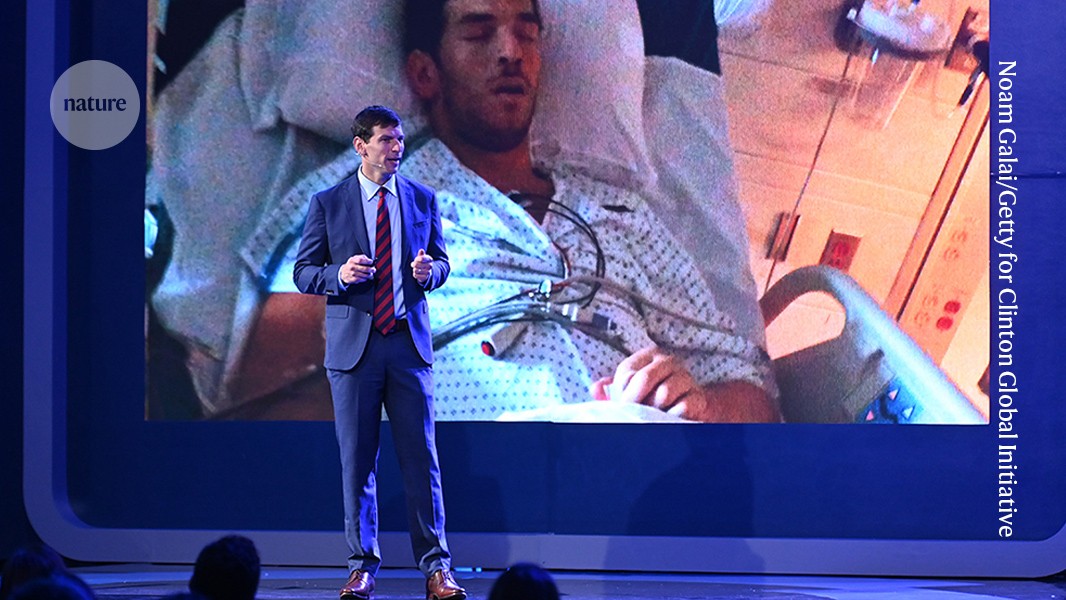
Physician-researcher David Fajgenbaum was diagnosed with Castleman disease as a medical student in 2010 and nearly died five times before discovering that the immunosuppressant sirolimus could control his condition. He has remained relapse-free for over 12 years and now directs Every Cure, an AI-driven platform that has reviewed more than 14,000 drug repurposing ideas and advanced 12 active programs, including preliminary successes in Rosai-Dorfman-Destombes disease and Bachmann-Bupp syndrome.
Stem-cell biologist Valentina Fossati was diagnosed with multiple sclerosis at 30 during a postdoc at the New York Stem Cell Foundation. She now leads the MS program at the Jackson Laboratory-NYSCF, where she has developed protocols to generate oligodendrocytes and other brain cell types from human stem cells to study disease mechanisms.
All four researchers say personal experience deepens empathy and improves trial design. Fossati notes that having undergone MRI scans and injectable treatments helps her design protocols that reduce patient burden, such as substituting skin creams for injections.
To guard against bias, Fajgenbaum relies on external review from collaborators and institutional review boards. Granata uses what she calls an "anthropological brain" to separate emotion from evidence when advising patients. Fossati compartmentalizes by focusing on cellular and molecular work, which she says creates distance from personal prognosis.
Geneticist Monkol Lek of Yale School of Medicine advises those entering the field to engage with patient communities and spend time in labs studying their condition before committing to a research path.
The researchers acknowledge the unusual dual role but argue their personal stake reduces career-driven conflicts. Vallabh says she would welcome anyone beating her to an effective prion therapy, and Fajgenbaum emphasizes that rigorous checks keep the work grounded in real signals.
Researcher, heal thyself: meet the scientists studying their own diseases
This is an independent summary. The complete reporting, supporting context and any primary documents remain with Nature.