Researchers Jung-Hyun Choi and Byung-Ki Cho in South Korea have created a prototype contact lens that can repair its own surface scratches when exposed to ultraviolet light. The lenses are built from a redesigned hydrogel polymer network that uses disulfide exchange, a process in which sulfur bonds temporarily break and reconnect under 365-nanometer UV light.
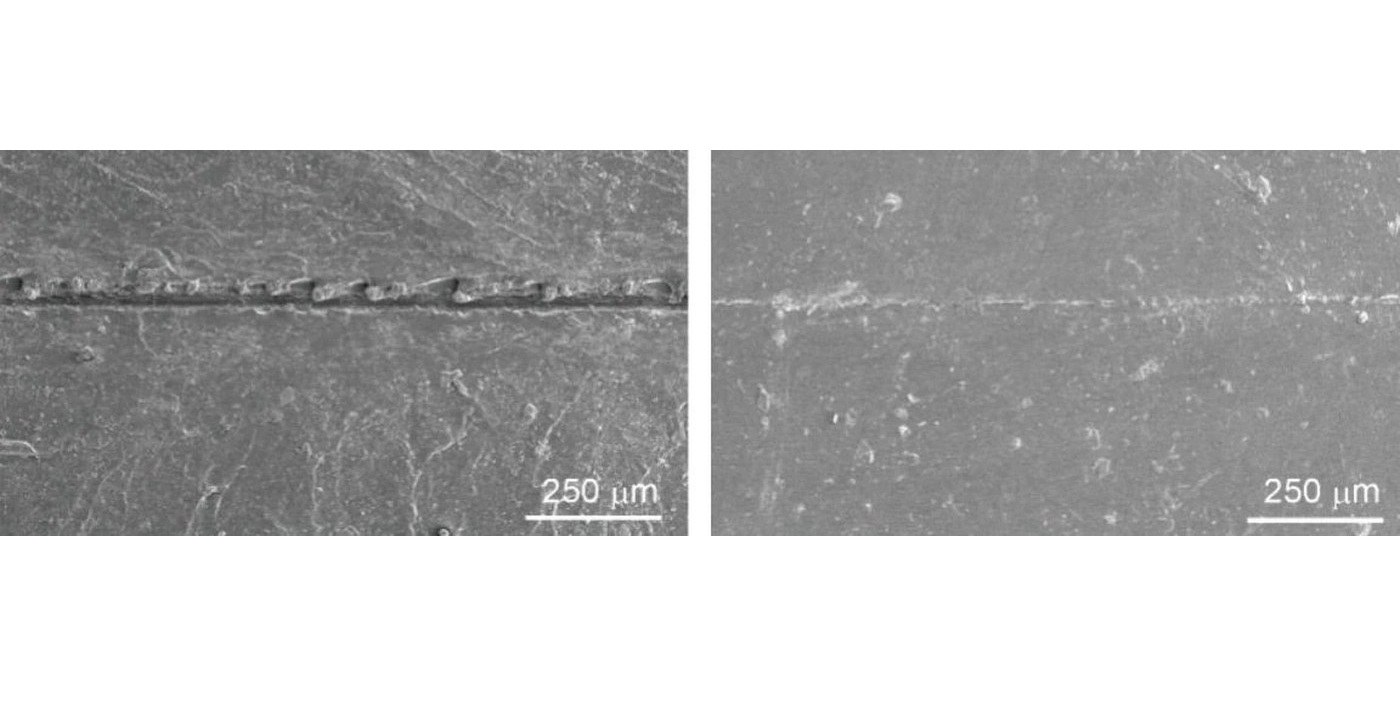
In laboratory tests, scratches on the lens surface became nearly imperceptible after about one hour of UV exposure, scoring only 2% perceptibility. The study, published in ACS Applied Polymer Materials, includes before-and-after images showing the repair effect.
An additional polymer layer on the lens surface provides antibacterial properties and abrasion resistance, withstanding repeated contact with sandpaper in testing. The material also retained moisture more effectively than commercially available contact lenses.
The researchers suggest that, in the future, users could potentially repair lenses at home using common UV sources such as nail-polish curing lamps or indoor grow lights. However, the technology remains at an early stage.
Further testing for South Korean regulatory approval is required before any market testing can begin. The work was funded in part by the National Research Foundation of Korea.
If approved, the lenses could reduce waste and lower replacement costs for millions of contact lens wearers by extending the usable life of each lens.
Self-Healing Contact Lenses Repair Scratches with Just 1 Hour of UV Light Exposure
This is an independent summary. The complete reporting, supporting context and any primary documents remain with Good News Network.