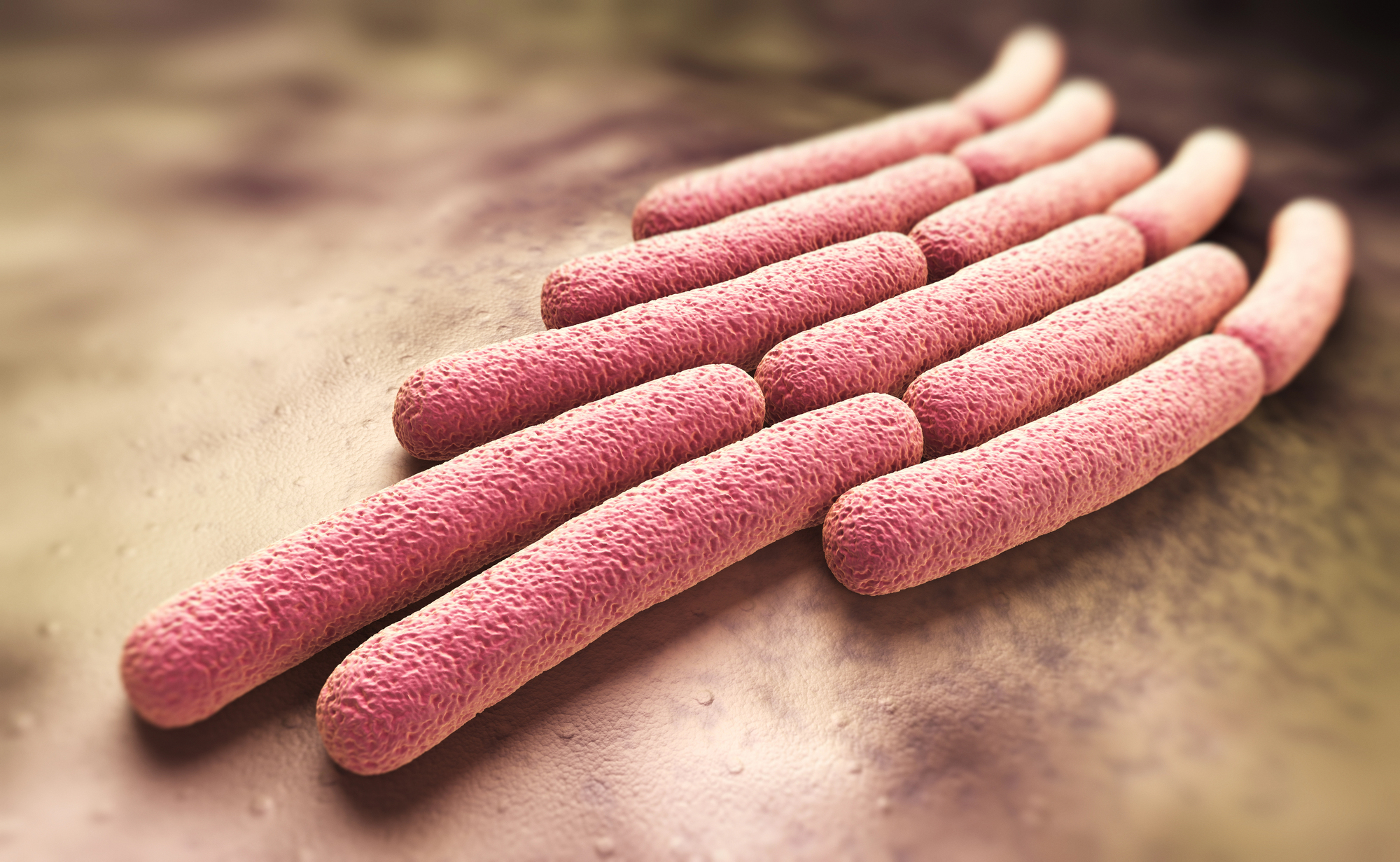
A vaccine candidate targeting Shigella, a bacterium responsible for severe diarrheal disease, has shown 89 percent efficacy in early clinical trials, according to researchers. The result marks the highest efficacy recorded in more than 100 years of attempts to develop a vaccine against the pathogen.
Shigella causes shigellosis, an intestinal infection that kills more than one million people annually, with nearly half of those deaths occurring in children under five years old. Despite the high mortality burden, the disease receives limited attention in global health coverage.
Researchers attribute this neglect partly to a "poo taboo" — a reluctance among policymakers, journalists, and the public to engage with diseases transmitted through fecal-oral routes. This discomfort has historically slowed funding and advocacy for sanitation and vaccine solutions.
The new candidate represents a potential breakthrough after decades of failed or low-efficacy attempts. Previous vaccine approaches struggled to generate broad protection against multiple Shigella serotypes, which vary by region and population.
Early trial data indicate the candidate elicits a strong immune response across relevant serotypes, though researchers caution that larger Phase 3 trials are needed to confirm safety and effectiveness in diverse populations.
If proven effective in later stages, the vaccine could become a critical tool for reducing child mortality in low-resource settings where clean water and sanitation infrastructure remain limited.
Global health experts emphasize that a vaccine would complement, not replace, investments in water, sanitation, and hygiene (WASH) programs. Both approaches are seen as necessary to sustainably reduce the disease burden.
The development team plans to advance the candidate into larger efficacy trials, with a focus on endemic regions in sub-Saharan Africa and South Asia where the burden is highest.
Why the poo taboo has held back a killer disease, and what’s changing
This is an independent summary. The complete reporting, supporting context and any primary documents remain with The Optimist Daily.